Link Between Chronic Gut Virus and Alzheimer’s Disease Uncovered: Implications for Treatment and Faith
Recent research from Arizona State University and collaborative institutions has revealed a groundbreaking connection between chronic intestinal infections caused by human cytomegalovirus (HCMV) and a unique subtype of Alzheimer’s disease. This discovery opens new paths for potential antiviral therapies aimed at addressing the underlying causes of neurodegeneration.
The Hidden Journey of HCMV
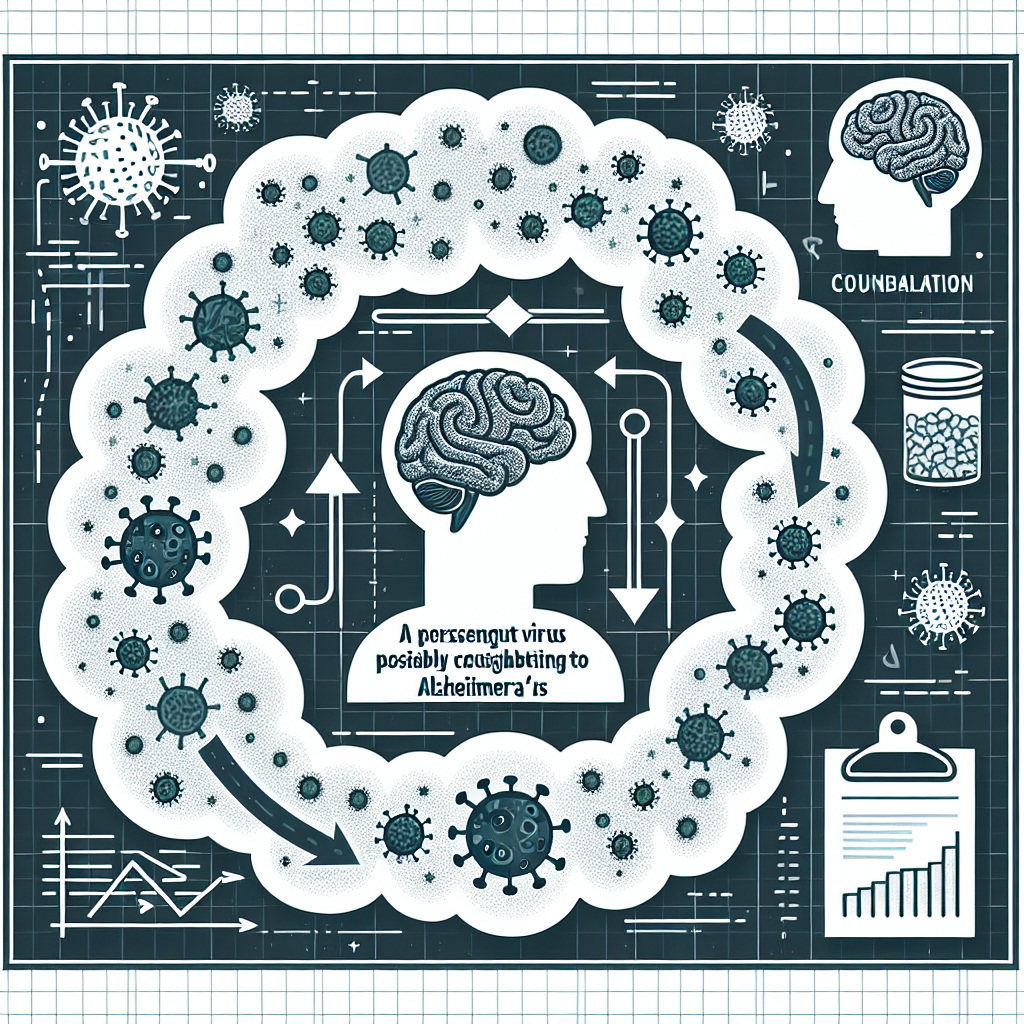
Scientists have long sought the culprits behind Alzheimer’s disease, a neurological condition affecting millions worldwide. New findings suggest that an innocuous virus, HCMV, which infects a significant portion of the population, may play a critical role in the progression of this form of dementia. The virus, commonly dormant in the body, has the potential to travel from the gut to the brain via the vagus nerve, ultimately leading to harmful changes in immune responses and contributing to the hallmark characteristics of Alzheimer’s like amyloid plaques and tau tangles.
This is particularly fascinating. While many encounter HCMV without any adverse effects, for certain individuals, the virus can cause chronic brain inflammation, which may contribute to neurodegenerative changes.
Scientific Insights and Therapeutic Possibilities
The research teams demonstrated that HCMV induces molecular alterations in human brain cell models, promoting the production of amyloid and tau proteins — both known for their role in neuronal damage. Dr. Ben Readhead, co-first author of the study, states, “We think we found a biologically unique subtype of Alzheimer’s that may affect 25% to 45% of people with this disease.”
This knowledge suggests that antiviral drugs, typically used to treat viral infections, might hold significant promise for this specific subtype of Alzheimer’s, offering hope to those affected. The researchers are ambitiously developing a blood test to identify individuals with chronic HCMV infections, potentially paving the way for targeted treatments.
Faith and Hope in Healing
As researchers delve deeper into the biological connections between the gut, brain, and immune system, we can draw parallels to the holistic view of health emphasized in biblical teachings. The interconnectedness of our bodily systems mirrors the biblical principle that we are “fearfully and wonderfully made” (Psalm 139:14). Our bodies are complex, interrelated systems where physical health impacts mental and spiritual well-being.
Moreover, this discovery reminds us of the importance of healing, not just on a physical level but on a communal and spiritual one. In the Gospels, Jesus often addressed physical ailments with compassion, offering healing and restoration, which reflects the broader message of hope and love in the face of suffering.
Conclusion: A Call to Reflect and Support
As this exciting research progresses, we are called to reflect on both the scientific implications and the spiritual significance of such findings. The intersection of science and faith can foster a deeper appreciation for the intricate design of our bodies and the delicate balance required for health.
In a world where diseases like Alzheimer’s can feel overwhelming, we can take heart in the reminder that healing journeys often involve community support, compassion, and faith. As we navigate these complexities, let us remember the words of Jesus: “Come to me, all you who are weary and burdened, and I will give you rest” (Matthew 11:28).
In contemplating the broader spiritual lesson, it’s crucial to recognize the value of hope — both in scientific advances and in the promise of healing, whether physical, mental, or spiritual. Together, we can work towards understanding and improving the health of every individual while fostering a compassionate community focused on holistic healing.
Explore and dig up answers yourself with our BGodInspired Bible Tools! Be careful – each interaction is like a new treasure hunt… you can get lost for hours 🙂