 0
0
 0
0
Tragic Loss of Big Cats at Washington Sanctuary Due to Bird Flu
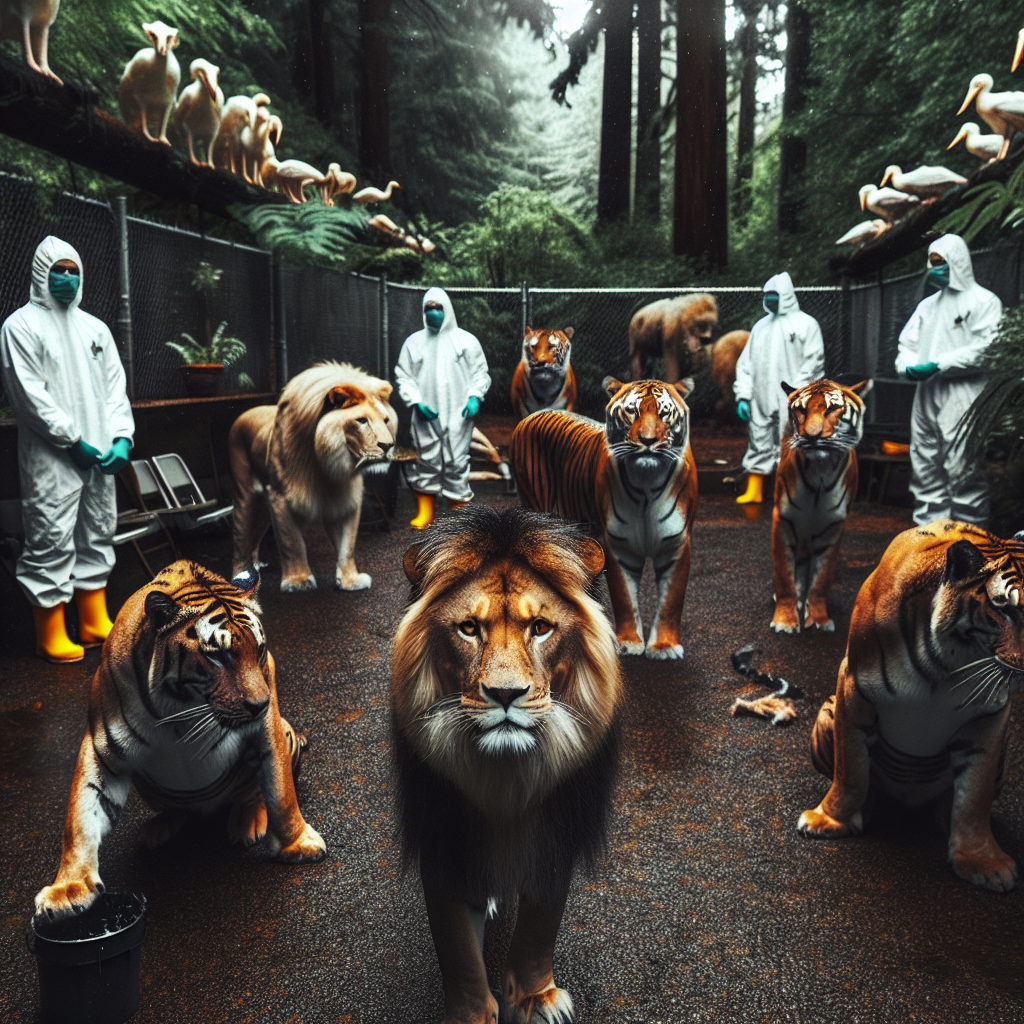
In a somber development for animal lovers and conservationists alike, the Wild Felid Advocacy Center of Washington has announced that twenty big cats, including a Bengal tiger and four cougars, succumbed to bird flu over the past several weeks. This outbreak has not only devastated the sanctuary but has also raised concerns about the wider implications of this viral infection, particularly for domestic and wild animal populations.
"This tragedy has deeply affected our team, and we are all grieving the loss of these incredible animals," the sanctuary shared in a heartfelt post on Facebook. The deaths, which occurred between late November and mid-December, have left only 17 cats remaining at the Center.
Bird flu, primarily spread through respiratory secretions and bird-to-bird contact, poses a significant threat to fauna. Although historically associated with poultry, the virus has recently expanded its reach, impacting mammals that consume infected birds. Mark Mathews, the sanctuary’s director, expressed the rarity of such losses, stating, "We’ve never had anything like it; they usually die basically of old age. Not something like this, it’s a pretty wicked virus."
As the sanctuary remains under quarantine to prevent any further spread of the infection, the situation serves as a stark reminder of the fragility of life. The meticulous care and compassion shown by staff reflect a biblical understanding of stewardship over God’s creatures. Just as Jesus addressed the hearts of those around him, there’s an opportunity for reflection on the dignity and value of all living beings. This experience resonates with the biblical principle of caring for animals, as seen in Proverbs 12:10, which states, "The righteous care for the needs of their animals…"
Moreover, the bird flu’s continued spread among both livestock and, alarmingly, across species raises broader health concerns. The Centers for Disease Control and Prevention (CDC) has recorded 61 human cases of the virus since April 2024, with most cases presenting only mild symptoms. While the risk to the general public remains low—with no sustained human-to-human transmission reported—this highlights the interconnectedness of all creation.
California Governor Gavin Newsom’s recent declaration of an emergency amid an outbreak among dairy cows speaks to the seriousness of the situation. As communities rally in response, such proactive measures embody the spirit of communal responsibility and interconnected well-being that is foundational to many stewardship ethics.
In these tumultuous times, marked by loss and uncertainty, it is essential to find strength in the resilience of the natural world and the bond we share as caretakers of creation. We are called to reflect on our role within God’s creation and to approach each day with gratitude and responsibility.
As we navigate these challenges, let us remember the words of Jesus in Matthew 6:26, "Look at the birds of the air; they do not sow or reap or store away in barns, and yet your heavenly Father feeds them. Are you not much more valuable than they?" This reminder reinforces our inherent worth and resonates with the need for compassion towards all creatures, urging us to engage with both mindful stewardship and hopeful perseverance.
In closing, may this tragic event inspire a reflection on our responsibilities and the interconnectedness of life. Let us honor the memory of these great cats by recommitting ourselves to the care of all living beings and by fostering a spirit of compassion in our communities.
Explore and dig up answers yourself with our BGodInspired Bible Tools! Be careful – each interaction is like a new treasure hunt… you can get lost for hours 🙂