Unlocking the Silence: New Insights into Urinary Incontinence Treatments for Women
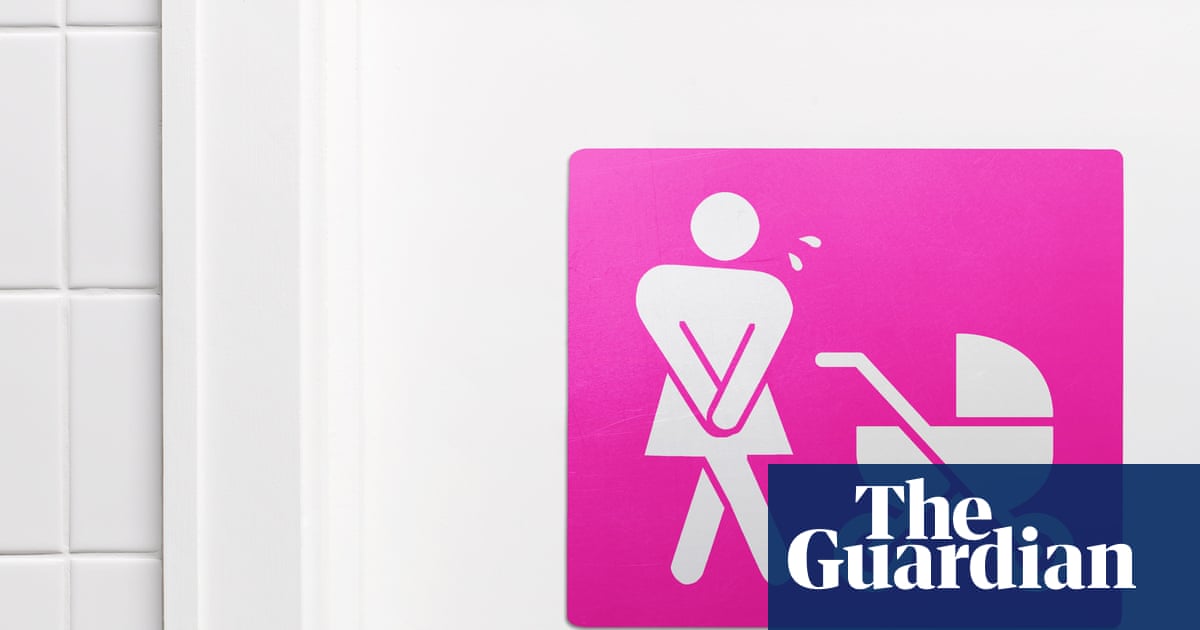
In an era where women’s health issues are gaining increasing attention, a striking reality has emerged: many women suffering from stress urinary incontinence (SUI) remain silent about their struggles. Recent narratives highlight that approximately 45% to 50% of women experience SUI once a week, yet a staggering number do not seek medical advice. Why is this condition still cloaked in stigma?
The journey of one woman illustrates this silent suffering. Despite sharing her struggles with friends, she soon realized her experience was not unique. After five pregnancies, she faced the daily challenge of incontinence—an issue often brushed aside by both the medical community and social circles. The societal expectation to endure in silence is rooted in the misconception that incontinence is a natural consequence of aging or motherhood. However, emerging treatments suggest otherwise.
Historically, women have been encouraged to take measures like Kegel exercises, which, while beneficial for some, often fail to address the complexities of SUI. As this woman’s story progressed, she discovered various treatment options—from pelvic floor muscle training to innovative office procedures aimed at providing relief. Through her encounters, she learned that women need not suffer in silence, and that real solutions exist.
Reflecting on this, we can draw parallels to the teachings of Jesus, who emphasized the value of seeking help and sharing burdens. In John 10:10, Jesus states, “I came that they may have life and have it abundantly.” Seeking proper care and discussing such intimate struggles with trusted individuals resonates with this call for abundant living. No woman should feel isolated or less than for seeking help, particularly when solutions are available.
Despite the hurdles, ranging from shame to misconceptions, it’s important to raise awareness about viable treatment options. This woman’s experience has spotlighted the need for more open conversations surrounding women’s health, encouraging others to step out of the shadows of silence.
As we reflect on this journey, let it inspire a broader understanding of our challenges and the collective support we can provide one another. Recognizing that God desires us to lead full lives should empower us to seek the help we need, both physically and spiritually.
Ultimately, acknowledging and addressing our struggles is not merely about fixing a physical ailment; it’s about embracing the fullness of life that God intends for us. Thus, let’s encourage one another to break the silence surrounding incontinence and other health issues, fostering an environment where openness reigns and healing begins.
Takeaway: Let us remember that seeking help is a strength, not a weakness. You are not alone in your struggles—there is hope, healing, and community waiting for you. Embrace your journey, share your story, and remember that God’s plan for you includes abundant life and wellness.
If you want to want to know more about this topic, check out BGodInspired.com or check out specific products/content we’ve created to answer the question at BGodInspired Solutions