 0
0
 0
0
New Guidelines Challenge Baby Food Manufacturers to Reduce Sugar and Salt Levels
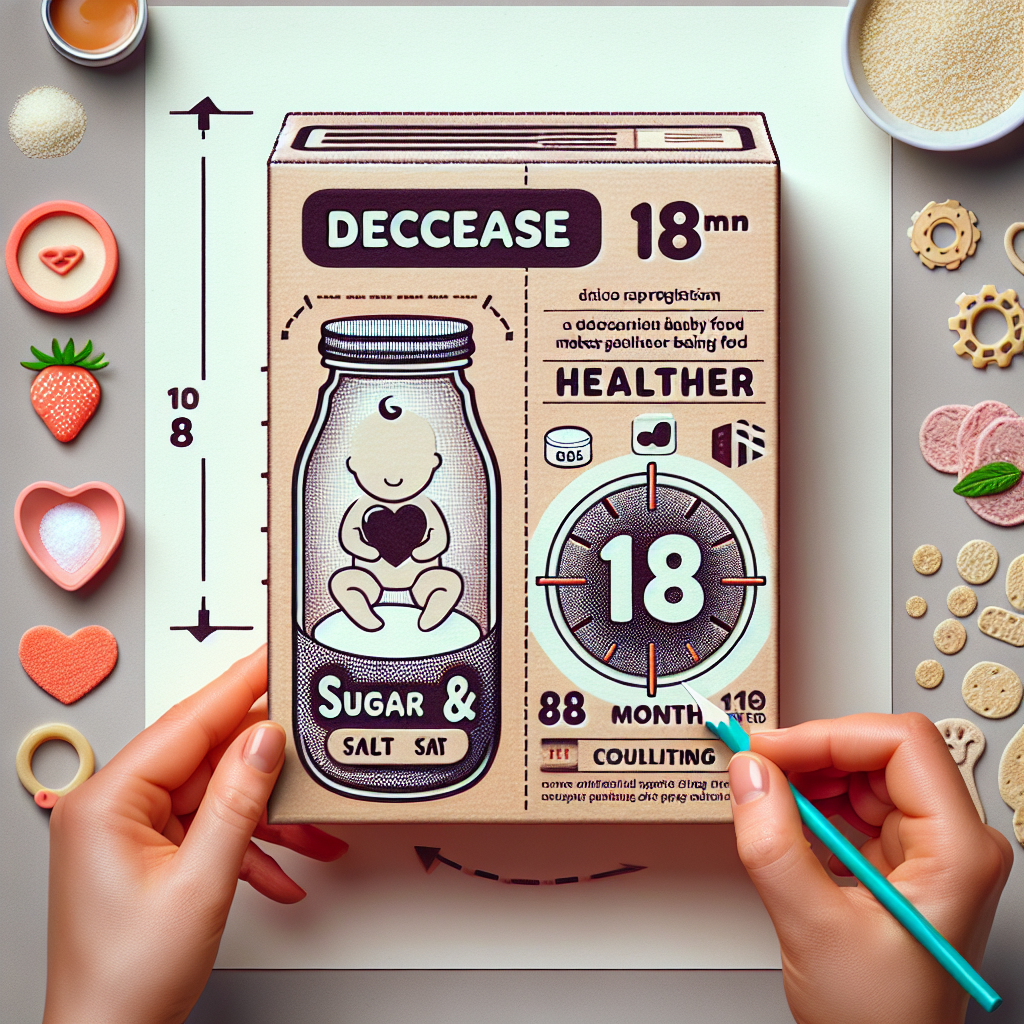
In a bold move aimed at improving infant nutrition, the government has given baby food manufacturers an 18-month deadline to significantly lower sugar and salt levels in their products. This initiative responds to mounting concerns that poor dietary habits may hinder the healthy development of infants.
The Department of Health and Social Care has announced new guidelines designed to provide clarity in baby food labeling, assisting parents in making informed choices about their children’s diets. The guidelines are particularly crucial as statistics reveal alarming trends; over two-thirds of children aged 18 months to three years are consuming excessive sugar, contributing to rising obesity rates in young children.
Under the new standards, baby desserts and breakfast foods—such as rice pudding and fruity porridge—should contain less than 10 grams of total sugar per 100 grams. Likewise, baby meals must not exceed 60 mg of salt per 100 calories, rising to a maximum of 100 mg only if cheese is included in the recipe. These regulations also aim to eliminate misleading marketing claims that can paint an untruthful picture of product healthiness.
Public health minister Ashley Dalton expressed the government’s commitment to tackling confusing labeling and ensuring that children have access to nutritious foods. "Our plan for change will tackle this, giving parents the information they need," she stated, emphasizing the initiative’s goal to enhance both transparency and health standards.
A Call to Action
As parents navigate the often-overwhelming landscape of infant nutrition, it’s worth reflecting on the timeless wisdom found in Scripture. Proverbs 22:6 teaches, “Train up a child in the way he should go; even when he is old, he will not depart from it.” This verse encourages us to lay a solid foundation in our children’s lives—from their first bites to their lifelong habits.
The increasing obesity rates in the UK, with costs amounting to £11.4 billion per year for the NHS, underscore the necessity of this initiative. The link between high sugar consumption and childhood obesity sets a clarion call for responsible parenting and conscientious decision-making that aligns with both health and spiritual principles.
Katharine Jenner, director of the Obesity Health Alliance, noted the importance of these new guidelines as a call to action for the industry. She stated, “Making it easier for parents to buy healthier products is a baby step in the right direction—but what’s really needed is a giant leap."
In light of these changes, how can we, as caregivers and community members, embody a commitment to stewardship over our health and that of our children? As we strive for healthier options, let us be guided not only by nutritional guidelines but also by the profound responsibility we carry to raise well-rounded individuals.
The encouragement here is clear: every small change counts. By supporting healthier choices for our children, we nurture not just their physical well-being but also their lifelong pursuit of a balanced life—echoing the essential principles of love, care, and responsibility. In doing so, we foster both body and spirit in this journey of life.
Explore and dig up answers yourself with our BGodInspired App. Be careful – each interaction is like a new treasure hunt… you can get lost for hours 🙂