
The Protein Paradox: Unpacking the Essentials for Health and Wellness
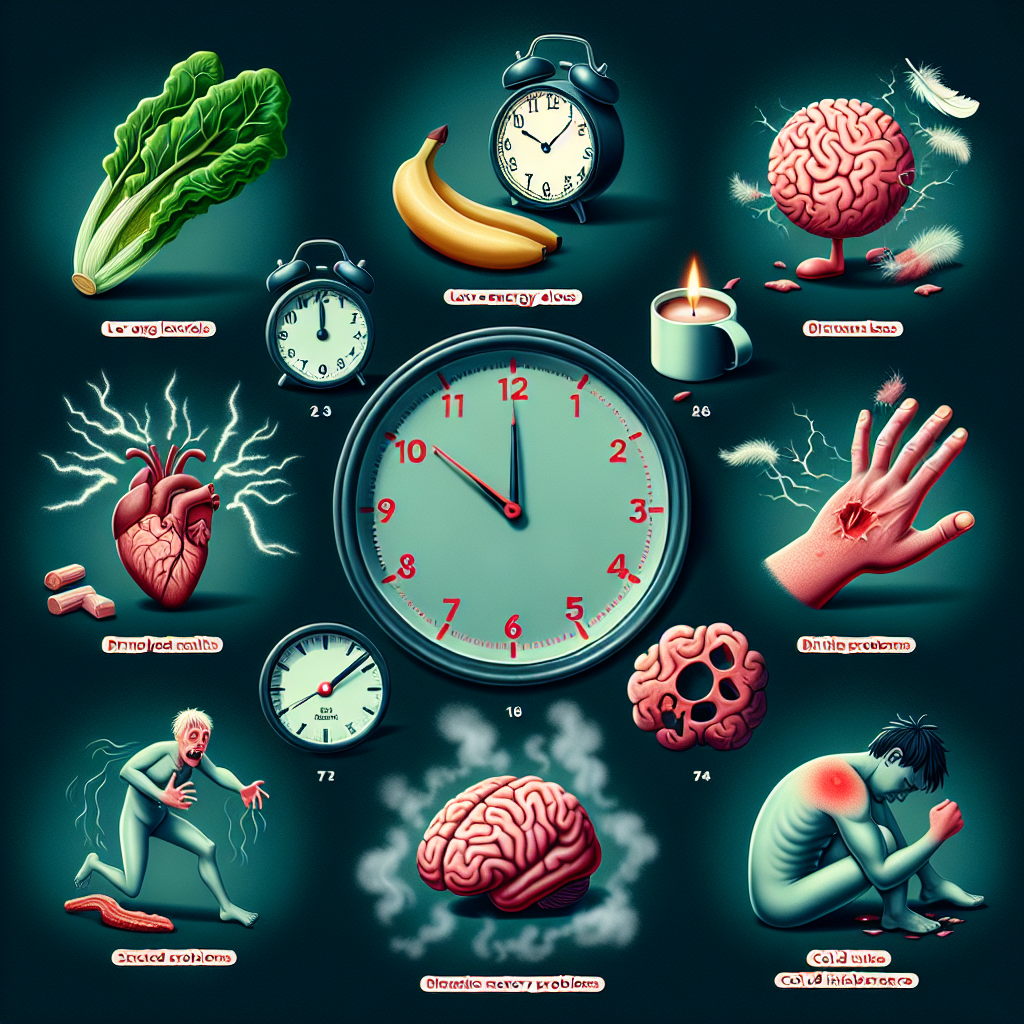
In the quest for optimal health, protein often takes center stage. However, recent discussions surrounding dietary choices reveal a concerning truth: not getting enough protein can have significant side effects. An article from Healthshots outlines nine potential issues stemming from a protein-deficient diet, ranging from muscle loss to impaired immunity and prolonged fatigue.
As health professionals advocate for balanced diets, the conversation about protein also touches on its implications and the ease of incorporating it into daily meals. A feature from Vogue asserts that maintaining a high-protein diet is simpler than many perceive, debunking the myth that a protein-rich lifestyle is out of reach for the average individual. With creative meal planning tips and readily available sources, anyone can sustain a protein-rich diet.
Yet, as we explore the expanding definition of what it means to consume adequate protein, some are questioning the movement itself. The Conversation discusses the increasing presence of protein in diverse products, such as yogurt and bread, prompting a closer look at whether these additions genuinely contribute to health or simply reflect a trend.
Moreover, concerns are emerging about excessive protein consumption. In an article from The Telegraph, the potential dangers of overindulgence in protein are examined. Too much of this macronutrient can lead to adverse health effects, leading consumers to ponder the balance that is vital for not only physical health but overall well-being.
Dietitians, including insights shared by CBS News, emphasize the importance of understanding individual protein needs. They offer guidance on how to determine one’s optimal protein intake based on personal health goals and lifestyles.
In considering all these perspectives, we shouldn’t overlook the essence of moderation — a principle echoed in many biblical teachings. Jesus often spoke about the importance of balance in life and encouraged followers to care for their physical bodies as a reflection of their spiritual well-being. As it’s written in 1 Corinthians 6:19-20 (NIV), “Do you not know that your bodies are temples of the Holy Spirit, who is in you, whom you have received from God? You are not your own; you were bought at a price. Therefore honor God with your bodies.”
As one navigates the increasingly complex landscape of nutrition, this reminder brings clarity: our approach to food should not only provide sustenance but also honor the gift of life we have been given. Whether it’s through the careful selection of a balanced diet or the acknowledgment of the impact food has on our overall health, we are called to consider the integral connection between our physical and spiritual lives.
In conclusion, readers are invited to reflect on their personal dietary choices and how these choices can serve as an act of stewardship over their bodies. Let us remember that our health impacts not just our physical selves but also our ability to lead joyful, fulfilling lives — a sentiment that ultimately draws us closer to the positive principles taught by Jesus. Aim for that balance, and perhaps discover how taking care of your body can enhance your spiritual journey too.
Explore and dig up answers yourself with our BGodInspired Bible Tools! Be careful – each interaction is like a new treasure hunt… you can get lost for hours 🙂


