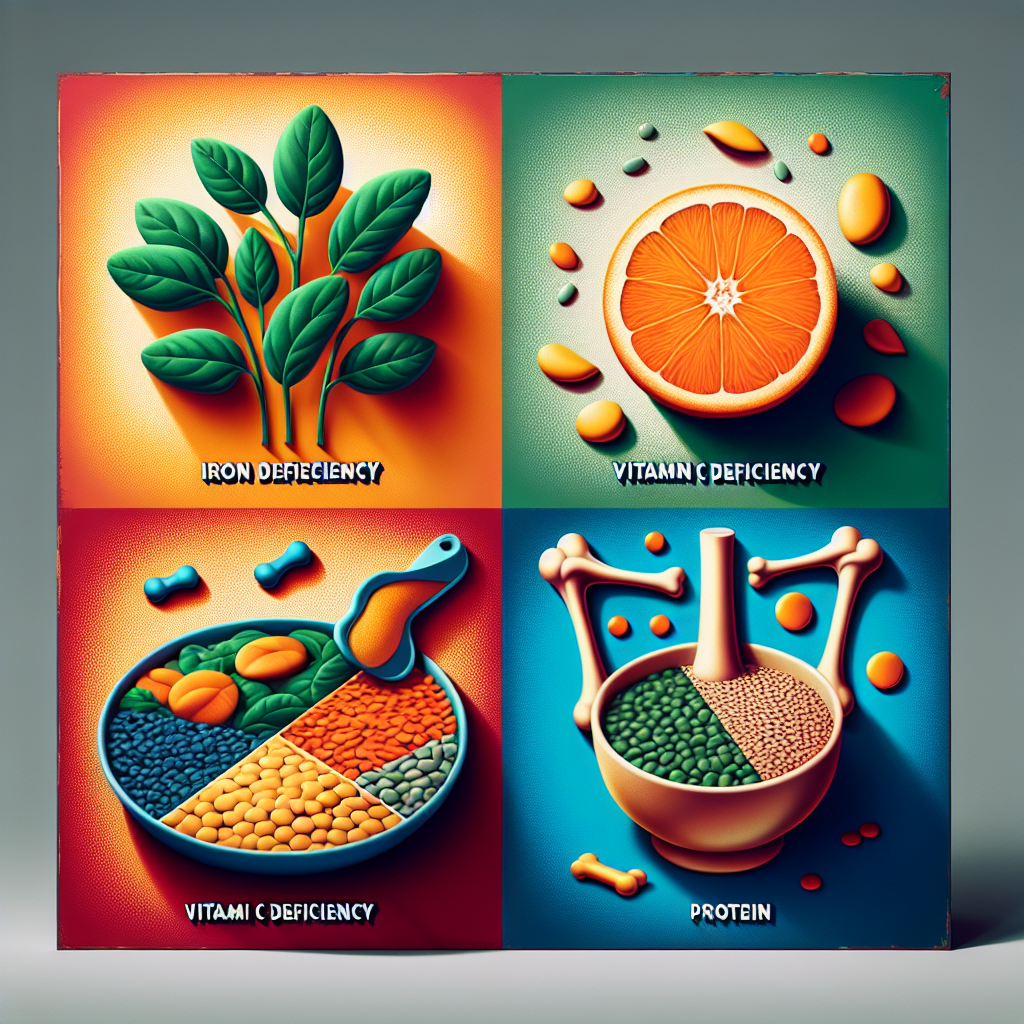
Common Nutritional Deficiencies: A Hidden Epidemic in India
Despite its rich culinary heritage, India grapples with a pressing health issue: widespread nutritional deficiencies among its population. In a nation celebrated for its diverse array of foods, many individuals are unknowingly missing out on essential nutrients crucial for maintaining health, immunity, and energy levels.
Prominent nutritionist Bhakti Arora Kapoor highlights the most prevalent deficiencies affecting Indians. According to her insights shared on social media, protein, vitamin D, iron, vitamin B12, and folate deficiencies are alarmingly common. The lack of adequate protein sources can not only impede muscle repair but also weaken the immune system — a vital concern in today’s health climate. Furthermore, vitamin D deficiency is rampant, largely due to limited sun exposure, especially in urban areas where lifestyles tend to confine individuals indoors.
The consequences of iron deficiency, such as fatigue and anemia, resonate with many, particularly as the nation’s vegetarian population faces an uphill battle. As vitamin B12 and folate are predominantly found in animal products, vegetarians are particularly vulnerable to these deficiencies.
Understanding nutritional health is not merely a physiological concern; it echoes deeper principles found in spiritual teachings. In Matthew 6:25, Jesus reminds us, "Therefore I tell you, do not worry about your life, what you will eat or drink; or about your body, what you will wear." This verse underscores the importance of caring for our bodies as part of a divine plan. It urges us to be mindful of our health, equipping ourselves physically to serve and engage with the world around us.
As we delve into these nutritional gaps, it’s essential to recognize that addressing these deficiencies is not just about individual health; it’s about nurturing our capacity to live courageously and effectively in community. Healthy bodies serve to embody compassion and purpose, reflecting the light that we are meant to shine in our surroundings.
In light of this knowledge, consider how you can adjust your own diet or support others in your community. Could you explore local sources of nutrition, advocate for balanced meals, or raise awareness about the importance of various nutrients?
Taking this journey toward better health invites reflection on a broader spiritual lesson: our physical well-being is intrinsically linked to our ability to live out our values and fulfill our purpose. As we seek to care for our bodies, let us also remember to nurture our spirits, fostering resilience and hope in a world that often demands much from us. The journey to wholeness—mind, body, and spirit—awaits our commitment.
Explore and dig up answers yourself with our BGodInspired Bible Tools! Be careful – each interaction is like a new treasure hunt… you can get lost for hours 🙂