The Overlooked Nutrient: Fiber’s Role in Diet-Related Health Risks
A groundbreaking study has revealed that the leading risk factor for diet-related health issues is not merely our indulgence in ultra-processed foods or excessive salt and sugar, but rather our alarmingly low intake of wholegrains and fiber. This systematic analysis published in 2022 highlights the crucial role that fiber-rich foods play in maintaining overall health—particularly as we face rising rates of chronic diseases.
Dr. Samantha Gill, a gastroenterology dietitian with the British Dietetic Association, points out that "fiber feels like the forgotten nutrient." Often associated with gastrointestinal discomfort, fiber is misunderstood and perceived as mundane, leaving many to overlook its vital role in a balanced diet. Unfortunately, most countries fall short of the recommended daily fiber intake, which ranges from 24 to 35 grams for adults. The data shows a stark reality, with only a small fraction of the population meeting these guidelines: 3% in Canada, 5% in the US, and 9% in the UK, highlighting a significant "fiber gap."
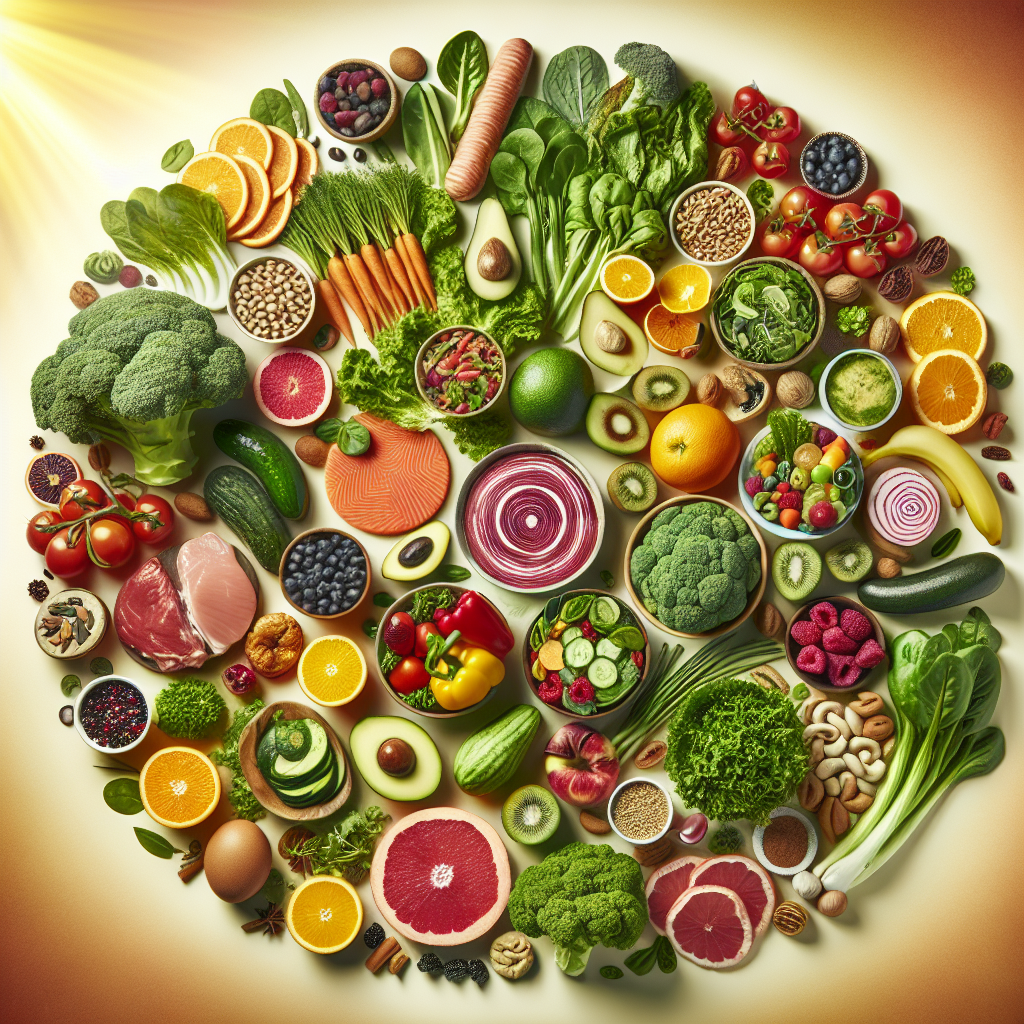
Fiber, found in wholegrains, fruits, vegetables, and legumes, provides numerous health benefits beyond preventing constipation. Studies indicate that a fiber-rich diet can reduce the risk of heart disease, stroke, type 2 diabetes, and colon cancer by 16-24%. The simplicity of increasing fiber intake could offer a solution to many common health concerns, reinforcing the idea that nourishment can be both simple and profound.
Transitioning to higher fiber intake need not be overwhelming. Experts suggest gradual changes, such as swapping white bread for wholegrain options or incorporating more fruits and vegetables into daily meals. The Danish Whole Grain Partnership serves as an inspiring example, demonstrating that a public initiative can significantly increase wholegrain consumption within a population, lifting average daily intake by 128% between 2008 and 2019.
From a Christian perspective, the call to nourish our bodies aligns closely with biblical principles about caring for the temple of the Holy Spirit (1 Corinthians 6:19-20). By choosing to prioritize wholegrains and fiber-rich foods, individuals can foster a culture of health that honors their bodies as creations of God. The Bible teaches the importance of moderation and mindfulness in all aspects of life, including our diets. As Proverbs 25:16 states, “If you find honey, eat just enough—too much of it, and you will vomit.” This serves as a reminder that balance is key.
Incorporating fiber into our diets can serve not only physical health but also spiritual well-being. As we consider ways to increase our fiber intake—from embracing new recipes to selecting high-fiber snacks—we might reflect on the broader lesson of stewardship. Caring for ourselves physically allows us to better serve and engage with our communities, echoing the teaching of Jesus to love our neighbors (Mark 12:31).
Here’s a gentle encouragement: as you reflect on your own eating habits and fiber intake, consider it an opportunity to embrace both physical and spiritual nourishment. How can improving your nutritional choices today lead to a healthier tomorrow, for yourself and those around you? Take this moment to ponder not just what you eat, but how you can use your body as a vessel for goodness in the world. Together, let’s strive for health that uplifts our spirits and honors the divine creation within us.
Explore and dig up answers yourself with our BGodInspired Bible Tools! Be careful – each interaction is like a new treasure hunt… you can get lost for hours 🙂