Disney Faces $10 Billion Lawsuit Over Alleged Copying of ‘Moana’ Concept
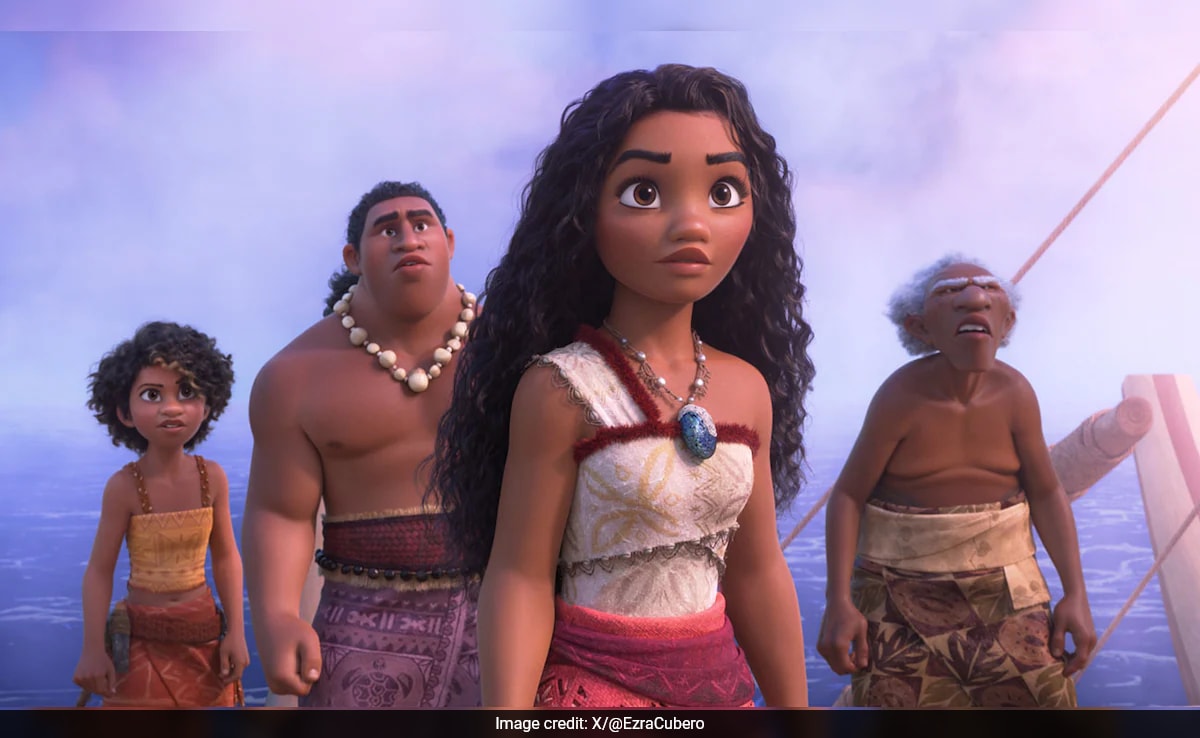
In a stunning turn of events, Disney has been hit with a $10 billion lawsuit from animator Buck Woodall, who claims that the entertainment giant copied elements from his screenplay for the animated film Bucky when producing Moana and its sequel. The lawsuit, filed in California federal court last week, alleges that both films share strikingly similar themes of teenagers from an ancient Polynesian village embarking on daring adventures to protect their homes.
Woodall’s complaint asserts that he provided a screenplay and trailer for Bucky to Jenny Marchick, the former director of development at Mandeville Films, who is now with DreamWorks Animation. He argues that Disney used these materials after more than 17 years of development on his own project. The complaint highlights specific similarities, including the perilous oceanic whirlpool that Moana and her crew encounter, which Woodall claims originated from his creative vision.
This is not Woodall’s first legal battle regarding Moana. He previously filed a lawsuit related to the first film, but a court dismissed it last November on grounds that he had waited too long to take action. However, the release of Moana 2 has given him new grounds to press forward with his claims.
Disney has remained silent on the new lawsuit but had previously asserted that no one involved in Moana had seen Woodall’s materials. Director Ron Clements declared that Moana was not inspired by Woodall’s project, which the filmmakers only learned of after the lawsuit was initiated.
Since its release, Moana 2 has proved to be a box-office hit, grossing $964 million and positioning itself as a leading contender in several award categories for the 2024-2025 season. Critics and fans alike praise the film for its engaging storytelling and captivating music. However, this ongoing legal battle now casts a shadow over its success.
As we navigate the waters of this complex situation, one might reflect on the biblical principle expressed in Proverbs 19:5, which states, "A false witness will not go unpunished, and he who breathes out lies will not escape." This serves as a reminder of the importance of integrity and honesty in all of our dealings, including within the creative industries.
While the outcome of this lawsuit remains uncertain, it encourages us to consider the value of originality and the protection of intellectual creativity—principles that resonate deeply with the teachings of respect and love for one’s neighbor. Whether or not credit is due, the heart of the matter reflects a broader spiritual lesson about the necessity for fairness and truth in our endeavors.
As readers, we are invited to ponder not just the specifics of this case, but also our own contributions to the artistic and ethical landscapes around us. In doing so, may we strive to embody integrity and creativity, bringing forth works that reflect our values and inspire those who encounter them.
Explore and dig up answers yourself with our BGodInspired Bible Tools! Be careful – each interaction is like a new treasure hunt… you can get lost for hours 🙂