Condé Nast: From Cultural Powerhouse to an Era of Uncertainty
In an age where social media influencers reign supreme, the once-unquestioned dominance of Condé Nast—a name synonymous with luxury and cultural influence—faces a perplexing transformation. Michael M. Grynbaum, a media analyst for The New York Times, chronicles this significant shift in his new book, Empire of the Elite: Inside Condé Nast. He explores how the media giant that once dictated taste is grappling with an era where print and traditional media continue to wane in the face of democratized information.
The Rise of Cultural Authority
As Grynbaum notes, "For decades, one company … told the world what to buy, what to value, what to wear, what to eat, even what to think." In this light, the power held by Condé Nast, particularly through iconic publications like Vogue, The New Yorker, and Vanity Fair, cannot be overstated. Founded in the early 20th century by Condé Montrose Nast, the organization carved a niche that blended cultural insights with luxury marketing. Its strategic acquisition of Vogue in 1909 marked a pivotal moment, transforming the magazine into a "global tastemaker" for the burgeoning middle class.
However, as the writer highlights, this cultural hegemony has been eroded over the last two decades by the rise of internet culture and social media—a shift that invites reflection on the transient nature of worldly influence and the deeper values we hold.
A Shift in Consumption
The decline of traditional print media raises questions akin to those posed in Matthew 6:19-21, where Jesus states, “Do not store up for yourselves treasures on earth, where moths and vermin destroy, and where thieves break in and steal. But store up for yourselves treasures in heaven…” This passage reminds readers that cultural and material wealth can vanish overnight, serving as a valuable perspective in today’s media landscape.
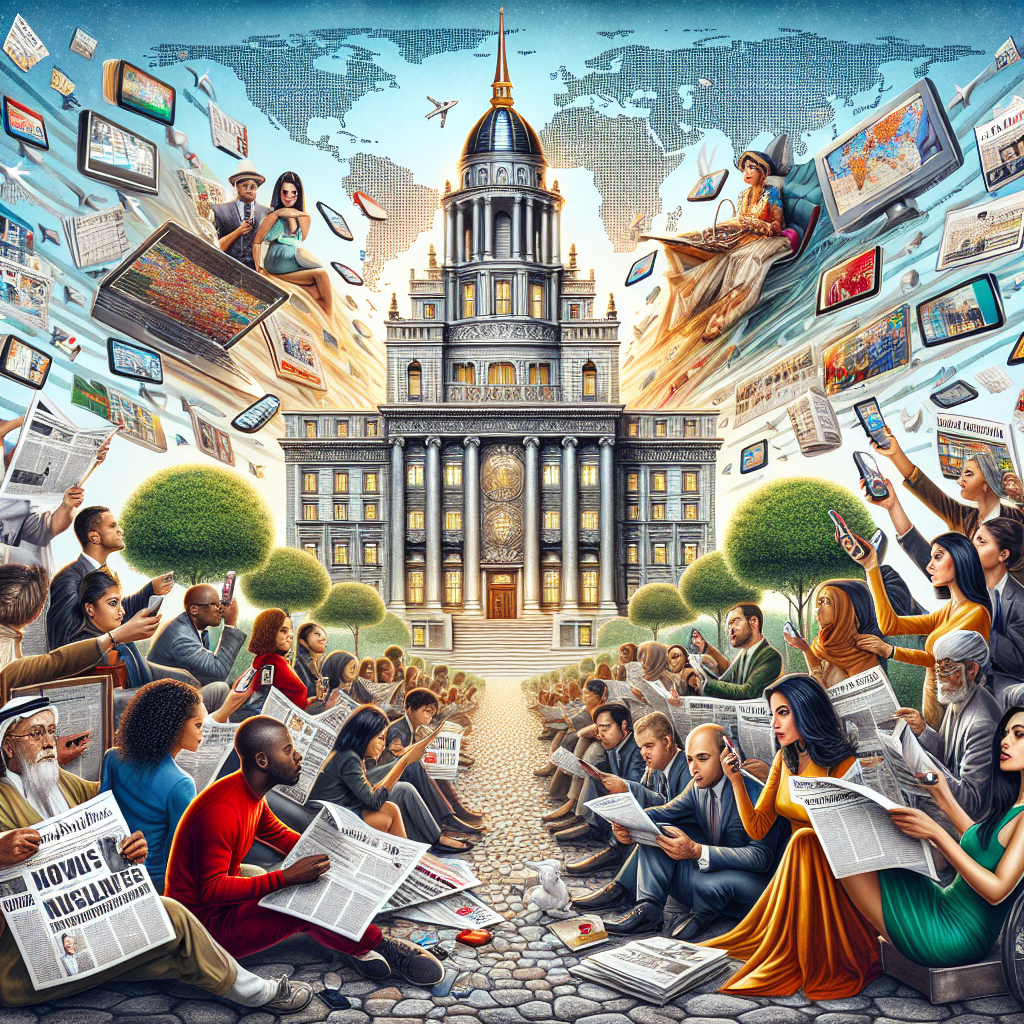
With global accessibility to opinions and tastes through digital platforms, influencers have emerged as new arbiters of style, creating an environment where brands must adapt or risk obscurity. This democratization of influence may be a call to reevaluate our sources of inspiration and prioritize authenticity over mere status.
The Future Landscape
As Grynbaum narrates the evolution of Condé Nast, we are reminded of how media moguls like Samuel Newhouse adapted to changing times, not only to sustain their legacy but to influence the cultural narrative of their eras. The lavish lifestyles glorified in the glossy pages of magazines like Vogue and Vanity Fair reflect societal values—values that can shift as dynamically as consumer preferences.
In the grand narrative of life, we often face choices that mirror the principles taught by Jesus. As we collectively navigate this transformation in the media landscape, we can ponder: what truly guides our values and aspirations?
An Encouraging Takeaway
As we move forward in this fast-paced, media-saturated world, may we remember to dig deeper than surface-level trends and to seek wisdom that stands the test of time. In a culture prone to fleeting fancies, we can find solace and security in what endures: love, compassion, and values that elevate our spirits.
In the spirit of Matthew 6:33, we are encouraged to "Seek first the kingdom of God and his righteousness, and all these things will be added to you." By aligning our pursuits with deeper, more meaningful principles, we can foster a culture of authenticity and purpose—one that transcends the legacy of any media empire.
Explore and dig up answers yourself with our BGodInspired App. Be careful – each interaction is like a new treasure hunt… you can get lost for hours 🙂