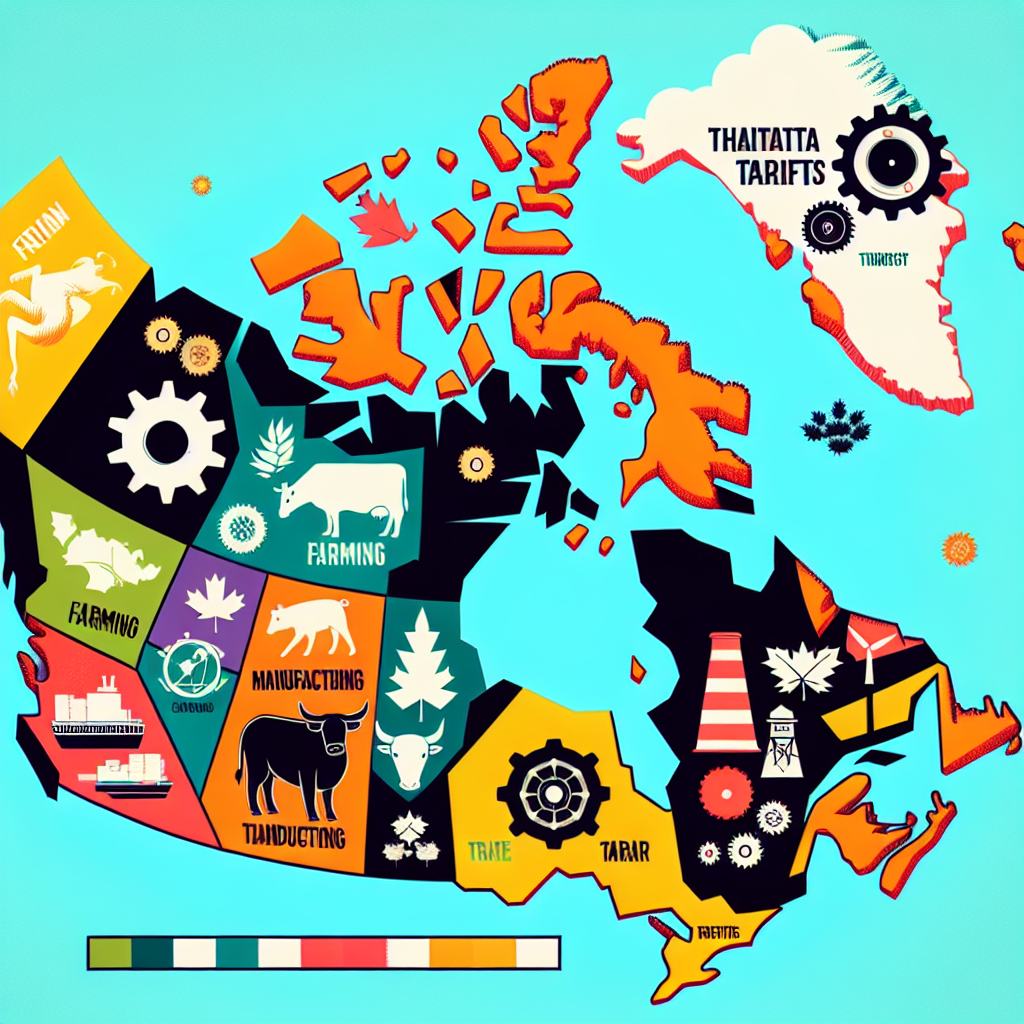
Tensions Rise Among Canadian Provinces as Tariff Battles Affect Key Industries
Amid escalating tariff threats and trade negotiations led by U.S. President Donald Trump, tensions are rising among Canadian provinces over which industries deserve priority. As talks with Canada came abruptly to an end late Thursday night, regional leaders find themselves at odds, complicating a united front against tariffs that threaten their economies.
In Ontario, the urgent needs of the auto industry clash with the canola interests thriving in the prairies. British Columbia Premier David Eby recently emphasized that the forestry sector is not receiving the national emergency status that Ontario’s steelworkers enjoy. "What we’re asking for today is that same sense of emergency is shared for the forest sector in this country," Eby said, underscoring the divide within Team Canada.
As the nation grapples with these challenges, it’s worth reflecting on Jesus’ teaching in Matthew 5:9: “Blessed are the peacemakers, for they shall be called sons of God.” The call for unity in difficult times serves as a guiding principle, reminding us that fostering collaboration over competition can lead to collective strength.
An Overview of Tariff Threats by Province
British Columbia: The province’s lumber industry is in crisis due to a recent hike in U.S. tariffs. Premier Eby is urging federal recognition of this urgency, drawing attention to the over 100,000 jobs depending on forestry.
Alberta: The oil and gas sector remains largely shielded from immediate tariffs, but economic ripples from U.S. trade policies are expected to lower demand, creating a strain on future revenues.
Saskatchewan: Facing dire conditions, the canola industry has been hit hard by Chinese tariffs, threatening provincial exports. Premier Scott Moe is calling for action, pressing the federal government to negotiate terms that would aid affected workers.
Manitoba: Similar to Saskatchewan, Manitoba’s canola producers are suffering from price declines due to retaliatory tariffs. Premier Wab Kinew urges for a swift resolution to protect livelihoods.
Ontario: Home to a pivotal auto industry, Ontario faces new tariffs on imported trucks. Premier Doug Ford is unwavering in his stance against dropping electric vehicle tariffs, fearing repercussions for the province’s manufacturing sector.
Quebec: Manufacturing represents 80% of Quebec’s exports. Tariffs could result in a decline in GDP for both Quebec and Ontario, as highlighted in recent analyses.
New Brunswick and Maine: The lumber industry’s significant contribution to New Brunswick’s GDP is threatened by rising U.S. tariffs, raising alarms among local leaders about job security.
Prince Edward Island & Nova Scotia: Both provinces are grappling with disrupted seafood exports to China, further exacerbated by job cuts among temporary foreign workers.
Finding Common Ground
Despite the pressures each province faces, the capacity for unity can bring about beneficial resolutions. A spirit of collaboration—echoed throughout Scriptures—encourages leaders to set aside differences for the common good.
As we navigate these turbulent waters, consider how Christ’s teachings of love and cooperation can inspire leadership in times of crisis. This spirit of unity may not only help in overcoming economic hurdles but also in reinforcing the bonds of community and care among divergent sectors.
In closing, let this moment serve as a reminder that while disputes can draw lines, it is our mutual commitment to fostering solidarity that will lead to brighter futures. For as Proverbs 27:17 states: "Iron sharpens iron, and one man sharpens another." May we all endeavor to uplift one another amidst challenges, finding strength in shared purpose and hope.
Explore and dig up answers yourself with our BGodInspired App. Be careful – each interaction is like a new treasure hunt… you can get lost for hours 🙂