 0
0
 0
0
Price Hikes Persist Despite President Trump’s Tariff Cuts on Food
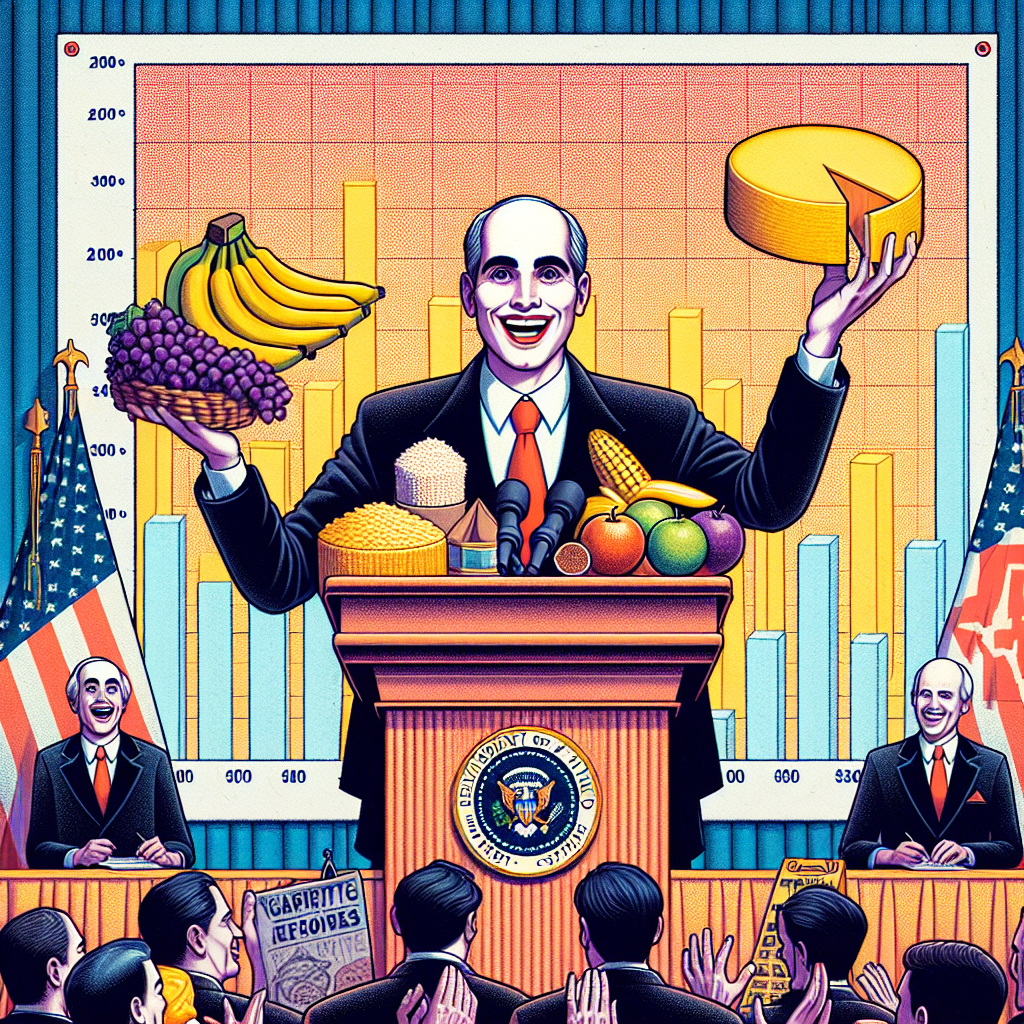
Washington, D.C. — Amid ongoing concerns over rising food prices, recent actions by the Trump administration to cut tariffs on five key food items may not be enough to alleviate the financial strain on American consumers. While these moves aimed to ease inflation, many experts suggest that the timing of the cuts renders them ineffective in curbing price increases that have already taken root.
The decision to reduce tariffs on essential food items, as reported by The Washington Post, comes at a time when inflation continues to be a pressing issue for many households. The tariffs were lowered with the hope that it would help lower prices, but critics argue that the long-term factors affecting food supply chains have exacerbated costs beyond the reach of tariff adjustments.
Interestingly, Brazil, which has historically faced trade challenges with the United States, has managed to succeed despite these tariff modifications. Articles from The New York Times and Financial Times highlight how Brazil has adapted and thrived, providing a counter-narrative to the traditional reliance on U.S. tariffs. This scenario presents not only a lesson in economic resilience but also reflects the broader concept of perseverance found in biblical teachings.
As the Trump administration seeks to implement tariff exemptions aimed at alleviating food costs, as noted in The Wall Street Journal, the delay in benefits from these exemptions leaves many families feeling the pinch of soaring grocery prices. The approval of farm safety net funds, alongside these trade adjustments, underscores the complex interplay between governmental policies and market realities.
Addressing the ongoing food crisis, the administration’s actions might be a step toward relief, but the practical implications seem to suggest that many consumers will face financial challenges for the foreseeable future. Notably, experts point to a necessity for structural changes beyond tariff cuts to create sustainable solutions for farmers and families alike.
Reflecting on this situation reminds us of biblical principles regarding stewardship and community support. As stated in Philippians 2:4, “Let each of you look not only to his own interests, but also to the interests of others.” This verse encourages a collective response to shared challenges, emphasizing a spirit of generosity and mutual aid.
In this context, while policymakers strive to adjust tariffs and provide assistance, it is essential for individuals and communities to come together in support of those struggling with rising food prices. Perhaps this moment calls for an increased mindfulness of our roles in fostering support and compassion for each other.
As we process the complexities of economics and food affordability, let us remember to extend kindness and resources to those in need. Each action, however small, counts in building a stronger and more resilient community. Reflecting on these biblical values, we are reminded that genuine care for others can pave the way toward greater strength amid uncertainty.
Explore and dig up answers yourself with our BGodInspired App. Be careful – each interaction is like a new treasure hunt… you can get lost for hours 🙂