 0
0
 0
0
A New Dawn for Rural Commerce: Rozana Bridges the Gap in India’s Retail Landscape
New Delhi – As India’s e-commerce scene continues to thrive, providing rapid access to groceries, electronics, and fashion for urban consumers, a remarkable shift is emerging in the country’s rural areas. Over 60% of India’s population resides in villages, where access to organized retail and reliable supply chains has historically been limited. Enter Rozana, a transformative rural commerce platform founded in New Delhi, aiming to revolutionize access to essential goods for these underserved communities.
At the helm of this initiative is entrepreneur Ankur Dahiya, who recognized the challenges faced by rural consumers—particularly the structural inefficiencies that restrict access to quality products. Rather than imposing urban e-commerce models onto rural settings, Dahiya devised a solution that is deeply rooted in community participation and tailored to the unique needs of village life.
A Tailored Approach to Rural Needs
The inspiration behind Rozana lies in addressing the stark retail disparity that exists between urban and rural areas. While cities boast modern malls and online marketplaces, village residents often rely on small local shops that struggle with limited inventory and inconsistent supply chains. Rozana seeks to bridge this gap by creating a technology-driven distribution ecosystem that allows villagers to access everyday essentials.
Unlike traditional e-commerce companies that operate through centralized logistics, Rozana employs a decentralized model. This innovative approach enables villagers to order products via a mobile app or website, often assisted by local micro-entrepreneurs known as “peer partners.” These partners become vital community figures, fostering trust and loyalty within their neighborhoods—an essential component reminiscent of biblical teachings on love and neighborliness.
Meeting Two Critical Challenges
Rozana addresses two significant hurdles: trust and logistics efficiency. In many rural communities, consumers are more inclined to purchase from familiar sources. By leveraging community participation, Rozana enables peer partners to facilitate orders and deliveries, easing the transition for first-time digital shoppers. This integration nurtures local trust, echoing the biblical principle that emphasizes the importance of relationships and community (Hebrews 10:24-25).
Furthermore, by consolidating orders within a village, Rozana optimizes logistics and reduces last-mile delivery costs, ensuring that residents receive products at competitive prices—sometimes even lower than those in urban markets.
Empowering Local Entrepreneurs
One of Rozana’s poignant contributions is its focus on building local economic opportunities. By empowering villagers—particularly youth and women—to become micro-entrepreneurs, the platform not only generates income but also promotes digital literacy and financial inclusion. This initiative aligns with the spirit of service and stewardship that is central to biblical teachings about caring for one another (Philippians 2:4).
By treating rural areas as integral to its business model instead of mere markets, Rozana fosters a beloved community where everyone feels invested and valued.
The Village Becomes a Marketplace
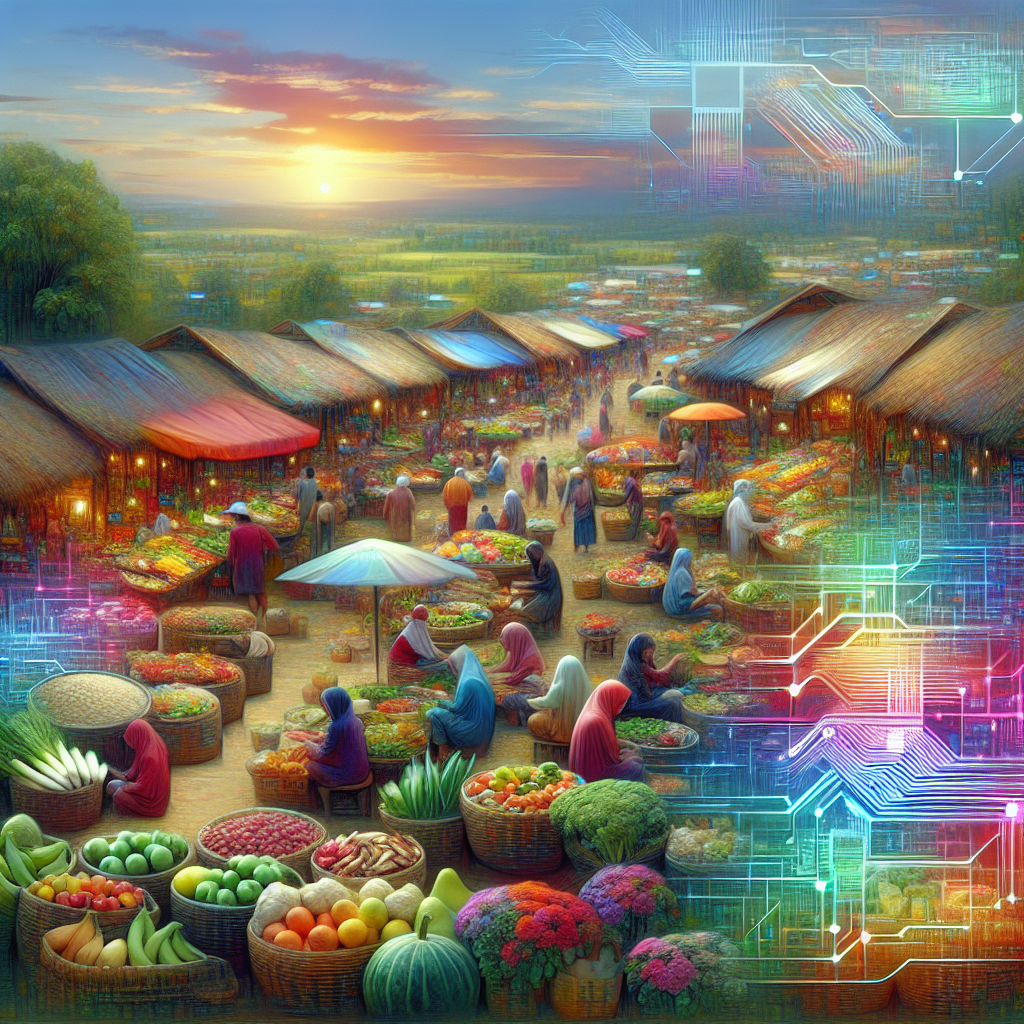
Rozana is well-suited to meet the increasing demands of rural markets, which are emerging as crucial growth drivers for brands and retailers. The startup has developed a hybrid infrastructure, merging technology platforms with local delivery partners and regional distribution centers. This layered approach allows Rozana to penetrate areas that conventional e-commerce often overlooks.
Despite its rapid growth and strong backing from investors—raising over $30 million in recent funding and approaching a valuation of $200 million—Rozana’s mission remains clear: serve millions of rural households by establishing a digital commerce backbone for the rural economy.
A Journey of Trust and Community
As Rozana continues to expand, it embodies the richly woven fabric of community spirit, trust, and entrepreneurship. For rural households, the platform represents more than mere access to goods; it carries the promise of opportunity, connection, and enhanced quality of life.
In a world where consumerism often promotes individualism, Rozana prompts us to reflect on the biblical call to serve and uplift one another, as encapsulated in Matthew 25:40: “Whatever you did for one of the least of these brothers and sisters of mine, you did for me.”
Encouraging Reflection
As we witness this monumental shift in rural commerce, let us take a moment to consider how our own communities can benefit from collaboration, innovation, and compassion. In nurturing local businesses and fostering relationships, we align ourselves with a greater purpose and contribute to a more equitable and inclusive society.
May Rozana’s journey inspire us all to explore ways we can serve, uplift, and bring essential resources to those around us. How might you contribute to the well-being of your own community today?
If you want to want to know more about this topic, check out BGodInspired.com or check out specific products/content we’ve created to answer the question at BGodInspired Solutions