 0
0
 0
0
Struggles of Lesotho’s Garment Workers Amid Tariff Challenges: A Call for Hope and Resilience
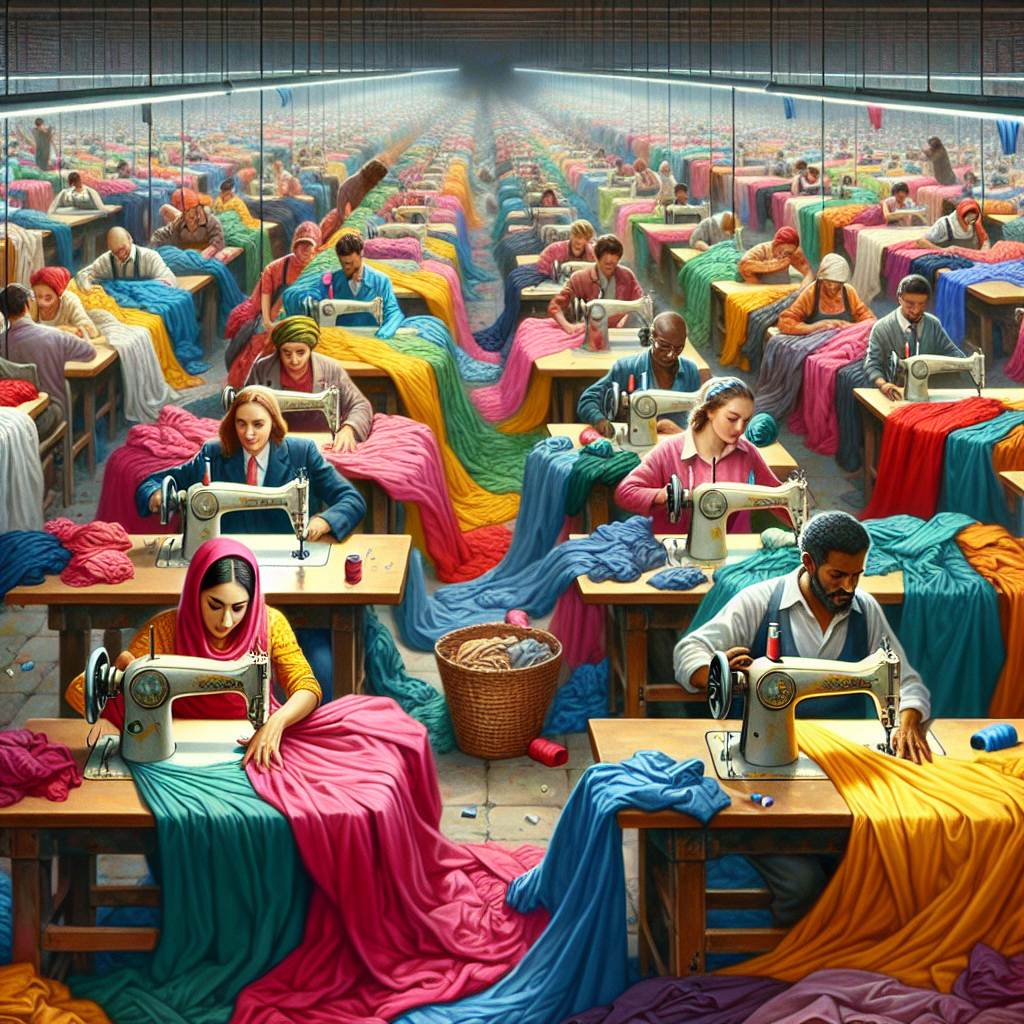
Every morning at 7 AM, women gather outside clothing factories in Maseru, the capital of Lesotho, eager for job opportunities. However, since the imposition of significant global tariffs by the Trump administration in April 2025, these chances have drastically diminished.
Among those waiting is 48-year-old Moleboheng Matsepe, who once found stability sewing sports leggings for a major California brand. After losing her full-time position in 2023, she has since struggled to secure temporary work, now earning as little as 50 maloti (£2.23) per week through occasional laundry jobs. "The pressure is too much… We can’t even sleep at night," she lamented, highlighting the financial strain of supporting five family members.
At the height of its prosperity in 2004, Lesotho’s garment industry employed around 50,000 people, supported by the African Growth and Opportunity Act (Agoa). The act offered tariff-free access to the U.S. market. However, the recent expiration of Agoa amidst a government shutdown further complicates the issue, leaving approximately 36,000 textile workers—predominantly women—facing an uncertain future.
The economic ramifications of the tariffs are stark. Lesotho’s trade ministry recently reported a significant downturn, with companies operating at reduced capacities and layoffs becoming increasingly common. Matsepe recalls the job satisfaction she found at Fabletics, appreciating the workplace’s supportive environment. “Everything that I wanted, I could do with the money that I got there,” she shared.
In 2024, Lesotho exported $237 million worth of goods to the U.S., while importing only $2.8 million, which other nations might consider a favorable trade balance. Still, the newly imposed tariffs have placed additional burdens on this small nation. Even after negotiations reduced the prospective tariffs from 50% to 15%, the impact on the economy has been chilling, prompting downward revisions of growth forecasts.
A survey in August revealed that out of 15 clothing companies exporting to the U.S., reports indicated 400 layoffs. It’s a worrying trend that reminds us of the importance of community and solidarity during challenging times—a theme deeply rooted in biblical teachings. As the Apostle Paul wrote in Galatians 6:2, “Bear one another’s burdens, and so fulfill the law of Christ.” This principle of mutual support is essential, especially in difficult situations.
Women like Mapuseletso Makhake, also 48, are indicative of the myriad struggles faced daily. Juggling the responsibilities of caring for her two children and elderly father, she bemoans the rising costs of living and the emotional toll of losing her husband years ago. "I wish I had still had my husband here to take the burden with me," she expressed, tears in her eyes. This poignant sentiment illustrates the broader theme of reliance on community, empathy, and shared human experience.
Despite economic difficulties, the resilience of Lesotho’s textile workers shines through. According to the country’s trade minister, discussions are ongoing regarding diversifying markets and ensuring that tariff conditions do not hinder their competitive edge. Like the many women who wait outside factories each morning, the spirit of hope remains alive.
As we reflect on the struggles faced by these garment workers, we can draw strength from their stories. By embodying the principles of compassion and unity, as exemplified in scripture, we have the opportunity to uplift one another even in adversity. The circumstances may be daunting, yet through faith and community support, true resilience emerges.
In closing, let us consider how we might embody these virtues in our own lives, offering a helping hand to those in need and fostering a spirit of collaboration that uplifts everyone.
If you want to want to know more about this topic, check out BGodInspired.com or check out specific products/content we’ve created to answer the question at BGodInspired Solutions