 0
0
 0
0
Title: Unpacking America’s Hidden Unemployment Crisis: Are We Really Better Off?
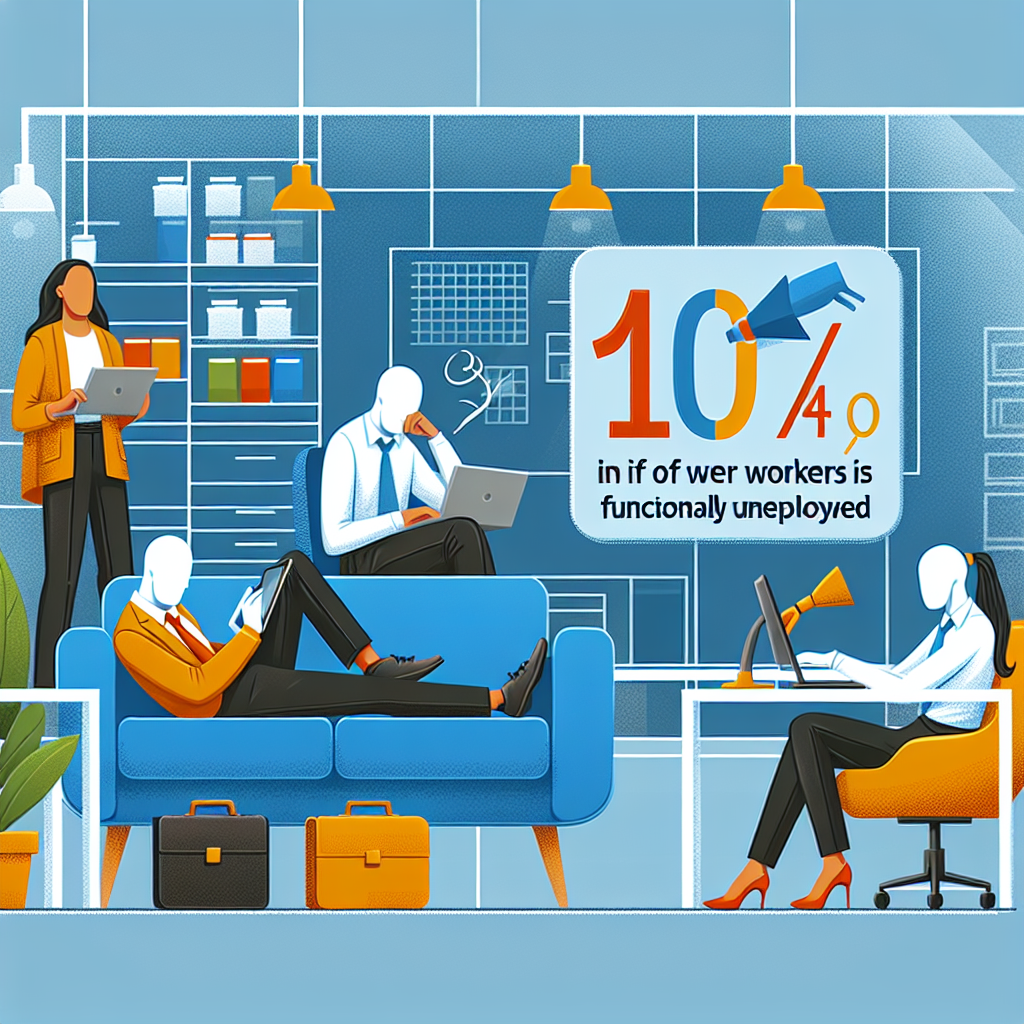
In a surprising economic paradox, despite a recorded unemployment rate of only 4.2%, a staggering one in four American workers is deemed ‘functionally unemployed.’ This term refers not to those without jobs, but to those holding jobs that don’t suffice to meet their basic living expenses. What does this mean for the fabric of our economy and for the countless families struggling in silence?
Recent data reveals a growing discrepancy between perceived employment and economic reality. That 4.2% figure paints a picture of success, yet many people are finding it increasingly difficult to make ends meet. The culprit? Underemployment and rising cost of living—a reality that has left many workers barely scraping by.
Historically low unemployment figures are often touted as indicators of a healthy economy, but they fail to account for crucial factors such as poverty wages and underemployment. A person working multiple part-time jobs at meager pay is classified as employed, despite their ongoing financial struggles.
Shifts in Definitions: Underemployment’s Hidden Impact
Independent economic organizations, such as the Ludwig Institute for Shared Economic Prosperity, argue that the traditional unemployment metrics are misleading. Their research suggests that when considering the financial viability of employment, the true unemployment rate leaps to a staggering 24.3%, echoing levels not seen since the Great Depression. This raises an uncomfortable question: How can we consider ourselves prosperous when so many are barely surviving?
As we navigate this complex economic landscape, the words of Jesus inspire reflection: “Blessed are the poor in spirit, for theirs is the kingdom of heaven” (Matthew 5:3). This verse encourages us to acknowledge the plight of those suffering and invites us to act with compassion and empathy.
The Economic Disconnect: A Call to Action
The disparity in our employment statistics represents not just a number but people—families grappling with daily challenges, often feeling unheard and neglected. Many within our communities are forced to choose between basic necessities and maintaining their livelihoods.
The political arena has often seen leaders touting low unemployment rates while neglecting to address the underlying issues that affect Americans’ quality of life. As Gene Ludwig of LISEP points out, presenting a low unemployment rate can lead to poor policy decisions, veiling the reality that many still live in financial desperation.
Reflection and Hope in Challenging Times
The current economic climate serves as a clarion call for a collective re-evaluation of how we perceive success and well-being in our communities. In times of struggle, we might remember another teaching of Jesus: “Love your neighbor as yourself” (Matthew 22:39).
As we recognize the struggles of those deemed ‘functionally unemployed,’ it’s essential to foster a spirit of compassion and action. Whether it’s through supporting community resources or advocating for fair wages, there are many ways to help lift others from their financial burdens.
In closing, let us reflect on how we can embody these teachings in our daily lives. Each small act of kindness can contribute to a more just and equitable society, reminding us that while the economic indicators may paint a rosy picture, the true measure of success lies in how we care for one another.
By actively engaging in meaningful dialogue and action, we can transform despair into hope, paving the way for a brighter, more inclusive future for all.
Explore and dig up answers yourself with our BGodInspired Bible Tools! Be careful – each interaction is like a new treasure hunt… you can get lost for hours 🙂