 0
0
 0
0
Escalating Tensions: India-Pakistan Relations Deteriorate After Pahalgam Terror Attack
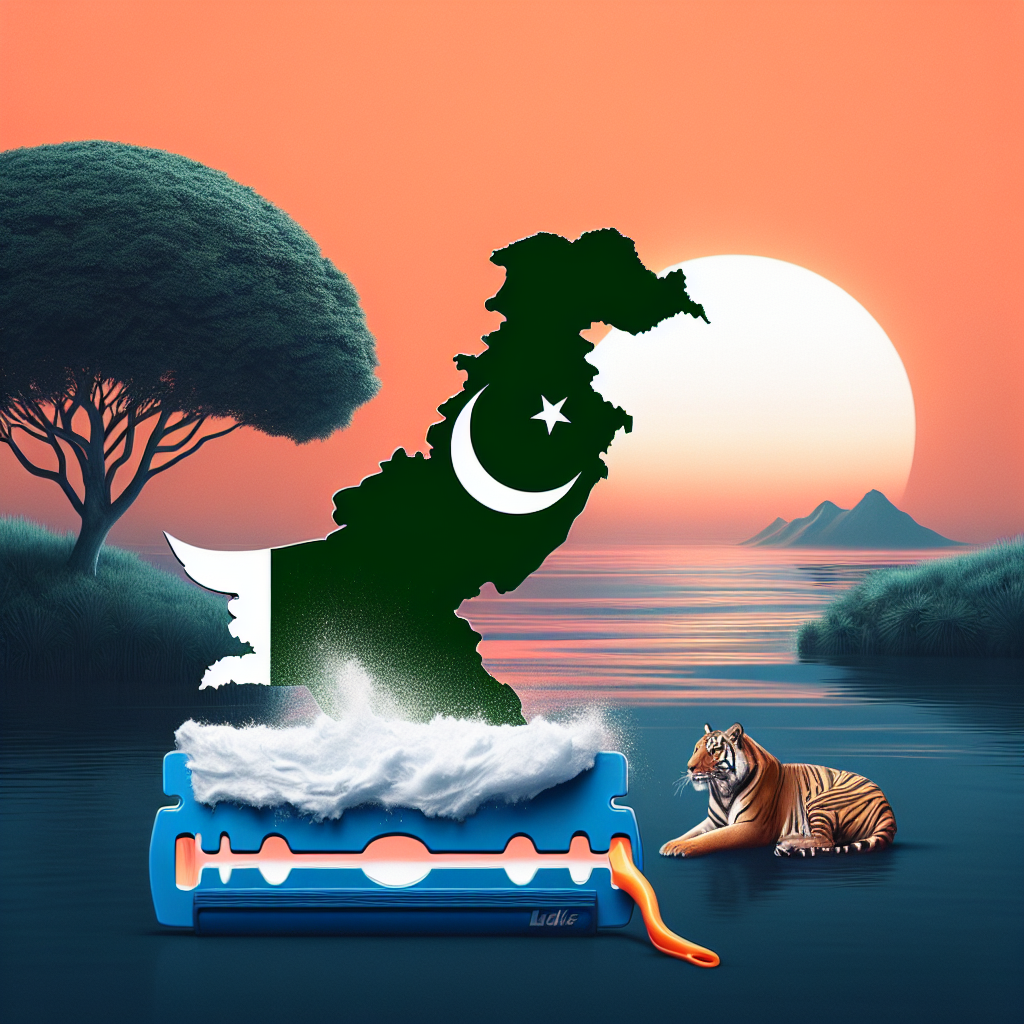
In a significant setback for India-Pakistan relations, tensions have once again surged following a recent terror attack in Pahalgam, Kashmir. The attack, carried out by two local operatives allegedly trained in Pakistan, has provoked an array of stern retaliatory measures from India. With a suspension of the 1960 Indus Water Treaty, the immediate closure of the Integrated Check Post at Attari, and the revocation of all SAARC Visa Exemption Scheme visas for Pakistanis, the diplomatic landscape between the two nations is markedly changing.
Retaliation and Military Posturing
India’s response included a directive for holders of the revoked visas to leave within 48 hours, a capping of diplomatic staff in both nations to 30 personnel by May 1—down from 55—and an assurance from Defence Minister Rajnath Singh of a “loud and clear” reaction to the Pahalgam attack. As India deliberates military options, the specter of conflict looms larger over an already fraught relationship characterized by a history of four wars and ongoing disputes.
In a parallel development, Pakistan has also ramped up its military posture, planning to carry out a surface-to-surface missile test along its Karachi coastline. With both nations bracing for the potential of escalated military conflict, observers are left to wonder about the implications of such actions, especially amidst a backdrop of instability in Pakistan’s economy.
Economic Constraints in Pakistan
Despite the rising rhetoric, Pakistan’s economic woes present a significant barrier to pursuing military conflict. Following a period of near bankruptcy and a struggling economy shaped by pandemic fallout and governance issues, the nation has recently begun to stabilize, thanks in part to a $3 billion IMF bailout. As inflation soared and debt mounted, the need for internal and external reforms became ever more pressing. With external financing needs remaining high, the prospect of military engagement poses a severe risk to Pakistan’s fragile economic recovery.
Caught between the desire for a nationalistic stance and the reality of economic survival, Pakistan’s military establishment may find itself in a precarious position that necessitates careful calculation.
A Call for Reflection: Biblical Principles of Peace
In these turbulent times, one might look for wisdom in the teachings of Jesus. In the Gospel of Matthew 5:9, it is stated, “Blessed are the peacemakers, for they shall be called sons of God.” This verse serves as a poignant reminder of the vital role peace plays in fostering not just national relationships but the broader human experience. At a time when both India and Pakistan are faced with choices that could lead to further conflict, it echoes the sentiment that reconciliation and dialogue are paths worthy of pursuit.
Conclusion: Embracing Dialogue Over Discord
As military options are weighed and diplomatic ties fray, the larger lesson resonates: the pursuit of peace, rooted in understanding and compassion, leads to true strength. In reflecting upon these recent developments, it invites us all—be it nations or individuals—to consider how we might strive for reconciliation and understanding in our own relationships.
This moment in history is not merely a political episode; it is a call for a thoughtful reevaluation of how we engage with one another in a world often marred by discord. How might we commit to being peacemakers in our daily lives, echoing the spirit of hope and harmony that transcends borders?
Explore and dig up answers yourself with our BGodInspired Bible Tools! Be careful – each interaction is like a new treasure hunt… you can get lost for hours 🙂