Ontario Invests $11.3 Million to Boost Forest Sector and Regional Economy
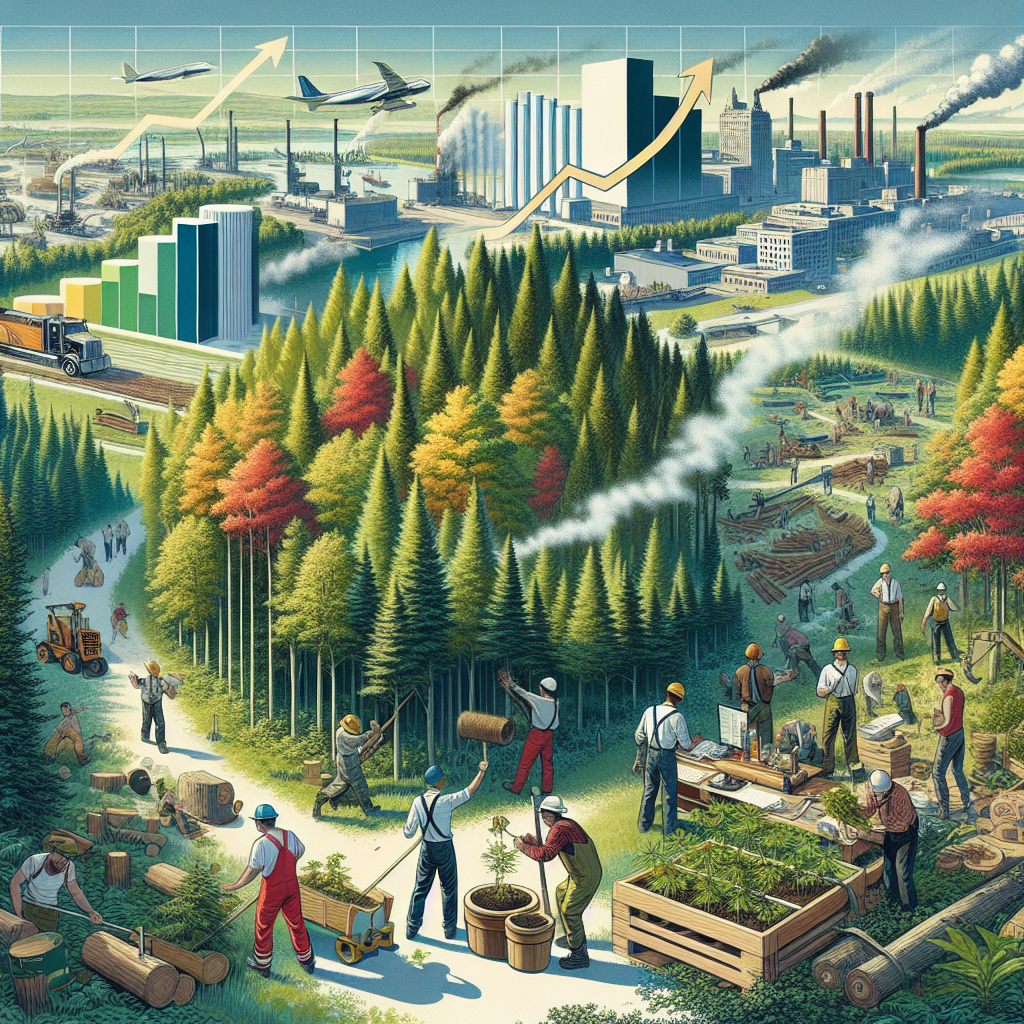
In a significant move to enhance economic growth and job creation, the Government of Ontario has unveiled an $11.3 million investment through the Forest Biomass Program, aimed at revitalizing the forest sector in northeastern Ontario. This initiative focuses on modernizing energy systems, exploring green technologies, and expanding the applications of underutilized forest biomass.
On Wednesday, officials stressed that these strategically selected projects not only promise innovation but also embody a commitment to sustainable practices, echoing the biblical principle of stewardship over resources. As the scripture in Genesis 2:15 reminds us, “The Lord God took the man and put him in the Garden of Eden to work it and take care of it.” The Ontario investment aligns closely with this notion of responsible use of natural resources for the benefit of all.
Project Overview
The funding targets five priority projects, designed to enhance the forest sector’s competitive advantage while fostering community and Indigenous participation. Key initiatives include:
- Hornepayne Power: A $7.5 million investment to upgrade power generation equipment and research green hydrogen production.
- GreenFirst Forest Products: Receiving $3 million for improvements to its biomass cogeneration plant and an additional $130,000 for exploring torrefied pellets as a green coal alternative.
- Circular Carbon Canada: Allocated $500,000 to conduct a feasibility study on creating pyrolysis plants to produce biochar from sawmill residues.
- Wikwemikong Development Commission: Awarded $200,000 for business and environmental planning for a wood pellet and biocoal facility.
These projects are set to modernize power generation, investigate renewable energy sources, and develop sustainable alternatives to fossil fuels, embodying the spirit of innovation and care that the Bible encourages.
Economic Impact
The funded initiatives not only aim to create good-paying local jobs across operations, engineering, and community engagement but also promise to increase demand for harvesting, hauling, and trucking services. For Indigenous communities, this investment supports economic development through much-needed infrastructure and planning funding.
Immediate benefits anticipated from these initiatives include:
- Creation of local, well-paying jobs.
- Increased economic activity, stimulating new industries related to biochar, biocoal, and green hydrogen production.
- Enhanced collaborative efforts with Indigenous stakeholders to ensure shared prosperity.
In a world increasingly focused on sustainability, the Government of Ontario’s approach reflects a commitment to nurturing its natural resources while simultaneously boosting the local economy. As Proverbs 21:5 wisely advises, “The plans of the diligent lead surely to abundance,” indicating that thoughtful planning and investment can yield fruitful results for communities.
Encouragement for Reflection
As we reflect on this important development, it invites us to consider our own roles in stewardship and community building. How can we contribute to the economic and environmental well-being of our communities?
By embracing the principles of responsibility and care for our surroundings, we echo the positive values taught by Jesus: love for our neighbor and the environment. The encouragement here is twofold: acknowledge the blessings of resource stewardship while actively engaging in efforts that promote prosperity and sustainability for all.
Let us take a moment to appreciate the potential of these projects, fostering hope for a vibrant and sustainable future.
Explore and dig up answers yourself with our BGodInspired Bible Tools! Be careful – each interaction is like a new treasure hunt… you can get lost for hours 🙂