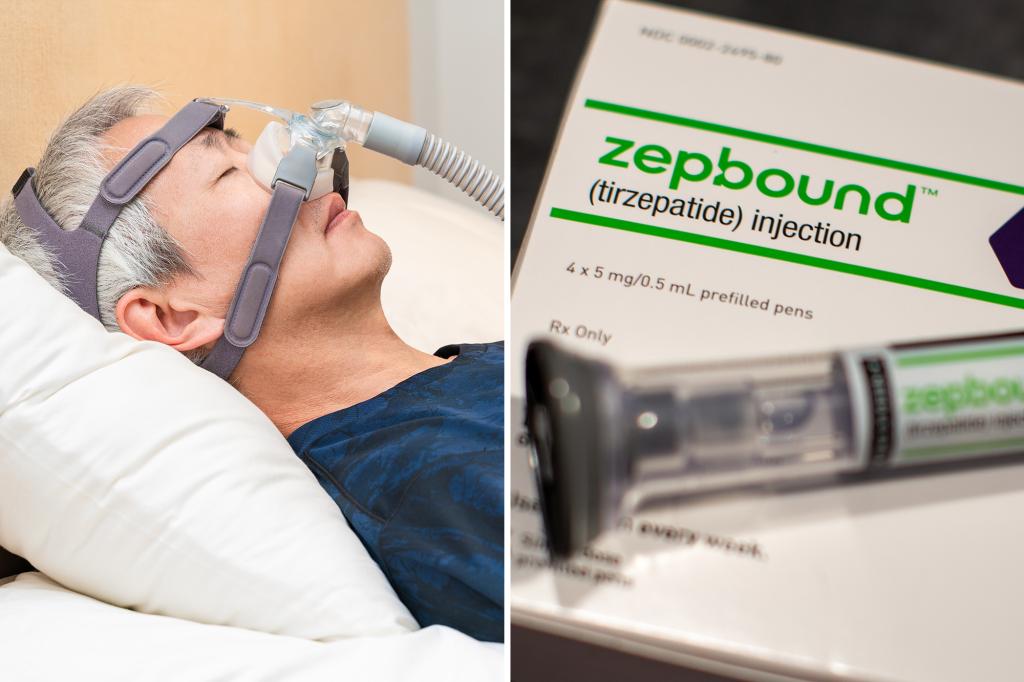
FDA Approves First Medication for Obstructive Sleep Apnea: A New Hope for Millions
In a groundbreaking development for those affected by obstructive sleep apnea (OSA), the U.S. Food and Drug Administration (FDA) has officially approved Zepbound (tirzepatide), the first medication specifically designed to treat moderate to severe OSA in adults with obesity. This significant announcement was made on December 20, marking a crucial step forward in addressing a condition that affects approximately 30 million people in the United States.
Obstructive sleep apnea occurs when the upper airway becomes blocked during sleep, leading to interruptions in breathing. This condition is particularly prevalent in individuals suffering from obesity. Zepbound, developed by Eli Lilly, works by activating hormone receptors that help reduce appetite and food intake, which may lead to weight loss—a key factor in alleviating the severity of OSA. The FDA emphasizes that the medication should be used in conjunction with a reduced-calorie diet and increased physical activity, highlighting the importance of holistic health practices.
Dr. Sally Seymour, director of the Division of Pulmonology, Allergy, and Critical Care at the FDA, praised the approval, stating, “Today’s approval marks the first drug treatment option for certain patients with obstructive sleep apnea. This is a major step forward for patients with this condition.” In clinical trials, participants taking Zepbound reported a statistically significant reduction in apnea events and a notable decrease in body weight, illustrating the medication’s potential effectiveness.
However, Zepbound is not without risks. Side effects can include gastrointestinal issues, fatigue, and injection site reactions. The FDA has advised that patients with a personal or family history of medullary thyroid cancer should avoid using this medication due to potential risks seen in animal studies. As such, individuals are encouraged to have thorough discussions with their healthcare providers before starting treatment.
Amidst these developments, sleep experts have voiced optimism about the treatment’s impact. Dr. Wendy Troxel, a behavioral sleep specialist, recognized Zepbound as a “promising advancement” that may serve as an alternative for those struggling with traditional OSA therapies, such as positive airway pressure (PAP) devices. This reflects a broader understanding that addressing health challenges is not just about medication but also about lifestyle change—a principle that echoes biblical teachings.
In the Scriptures, we are reminded of the importance of care for our bodies: “Do you not know that your bodies are temples of the Holy Spirit, who is in you, whom you have received from God? You are not your own; you were bought at a price. Therefore honor God with your bodies” (1 Corinthians 6:19-20). This passage encourages us to consider how we nurture our health and well-being as a reflection of our commitment to living fully and intentionally.
The integration of this new medication into treatment plans for sleep apnea patients offers a potentially transformative path toward better health. For many, it may signify relief not only for themselves but also for their partners impacted by the disruptive symptoms of OSA.
As we contemplate the implications of Zepbound’s approval, it serves as a reminder of the intersection between medical advancements and our responsibility to care for our bodies and those around us. May we approach our health challenges with hope and the wisdom to seek out effective treatments while nurturing the holistic principles found in our faith.
This moment invites us to reflect on our own health journeys and the steps we can take toward well-being. As we consider the advancements in medicine and the guidance from Scripture, let us embrace the opportunities for healing and wholeness in our lives, remembering that good health is a gift to be cherished and nurtured.
Explore and dig up answers yourself with our BGodInspired Bible Tools! Be careful – each interaction is like a new treasure hunt… you can get lost for hours 🙂