Cocoa Market Turmoil Set to Redefine West African Industry
(Bloomberg) — The cocoa industry in West Africa, a region responsible for a substantial portion of the world’s cocoa bean supply, is currently experiencing seismic shifts as prices plunge following a volatile year. Ghana, the second-largest producer, has begun loosening its grip on domestic price regulations, signaling a potential transformation in how cocoa is traded.
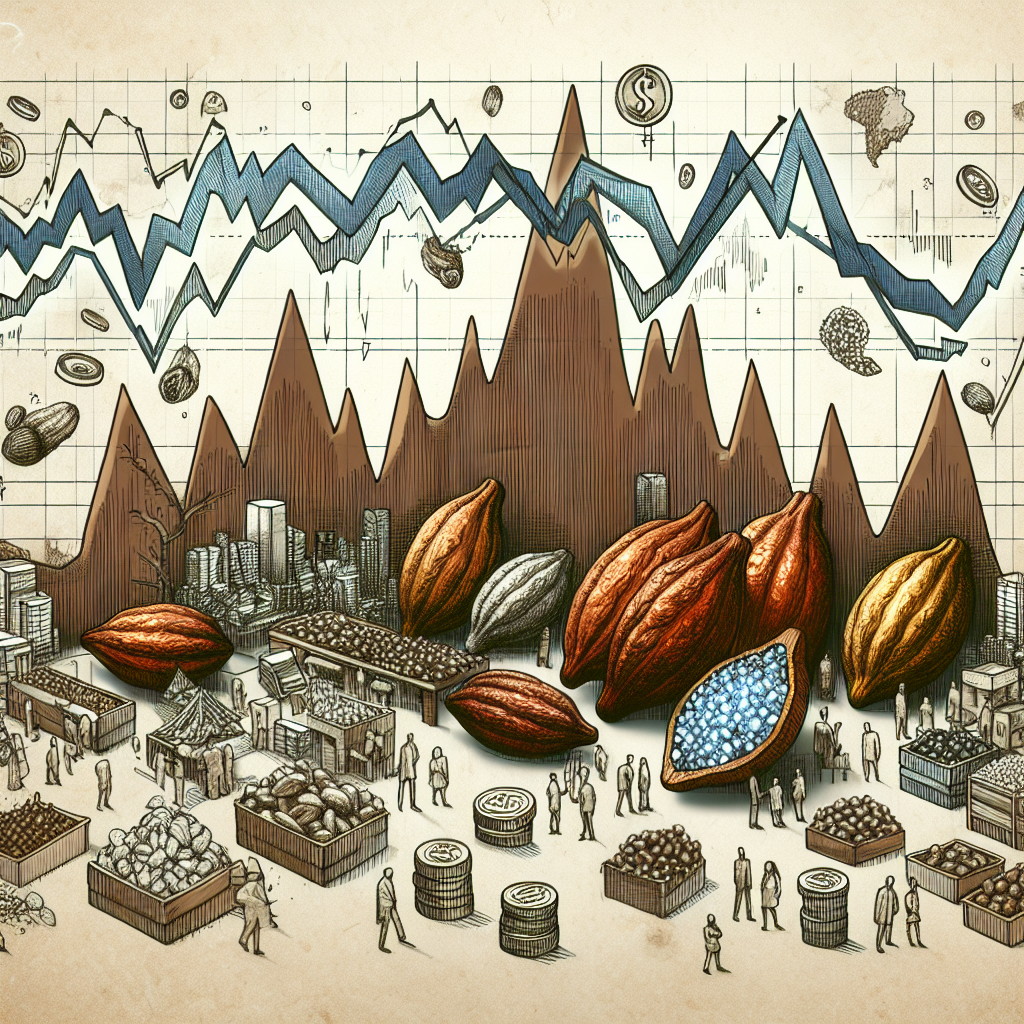
Cocoa prices soared to an all-time high in 2024, reaching nearly $13,000 per ton, before experiencing a dramatic collapse of over 70%. This unpredictable swing has left farmers and traders grappling with a supply chain logjam, as unsold beans pile up in warehouses and ports. The shift could have far-reaching implications for the global cocoa market, changing established business practices that have long protected smallholder farmers from market fluctuations.
Andrew Moriarty, senior cocoa manager at crop research firm Expana, remarked, “Ghana’s move is being interpreted as a more sustainable funding solution.” This new approach aims to reduce risks associated with supply disruptions in the years ahead. However, the road to change is fraught with challenges, especially for farmers who feel they have missed out on the benefits of price surges and are now caught in a downturn.
Historically, the sales of cocoa in Ghana and Ivory Coast have been tightly controlled by government regulators, who set farmer pay and market the product. While this was intended to shield growers from market volatility, the recent price rollercoaster has made it clear that a reassessment is necessary. The aim now is not only to adjust domestic prices but also to allow for more agility in the face of international price changes.
In doing so, Ghana plans to implement a flexible system that would permit automatic adjustments in domestic prices in line with international market fluctuations. This initiative, according to Finance Minister Cassiel Ato Forson, is designed to clear the backlog of cocoa beans, helping farmers to sell their produce in a timely manner.
The lessons gleaned from this industry shake-up echo biblical principles surrounding stewardship, resilience, and community support. In times of abundance and scarcity, the call to care for one another remains paramount. “Each of you should look not only to your own interests but also to the interests of others” (Philippians 2:4, NIV). This verse reminds us that cooperation and support within the community can lead to shared success, even amidst challenges.
As the cacao market evolves, farmers like Michael Acheampong express a cautious optimism about the proposed changes, highlighting a fundamental hope that empathy and fair pricing will prevail. "What farmers want is for the government to respond quickly to international market improvements," he noted, emphasizing the desire for equitable treatment in an often volatile economic landscape.
Yet, the broader transformation will take time, and it will require everyone involved in the cocoa supply chain to invest in relationships built on trust and mutual benefit. As industry stakeholders navigate these uncertain waters, the community’s resilience will ultimately determine their capacity to thrive moving forward.
This situation serves as a poignant reminder of the challenges faced by many sectors in today’s world. There is hope in change, and through compassion and collaboration, lasting solutions can be found. May we all look for ways to support each other during tumultuous times, reflecting the values of love and stewardship, even in the marketplace.
If you want to want to know more about this topic, check out BGodInspired.com or check out specific products/content we’ve created to answer the question at BGodInspired Solutions