 0
0
 0
0
Chenchu Tribals Remain Excluded from MGNREGA Benefits Despite Government Scheme
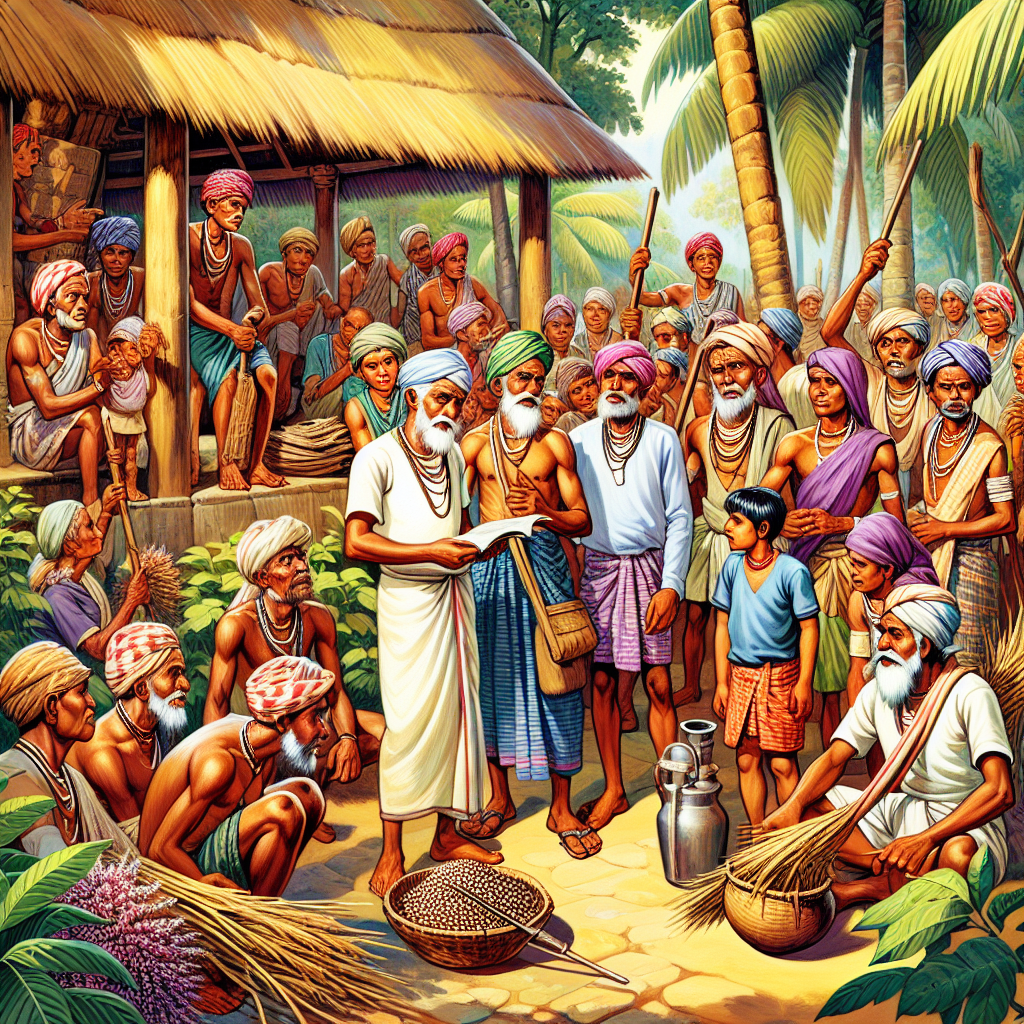
Vijayawada — In a concerning revelation, research conducted by the NGO LibTech has highlighted that the Chenchu tribals, one of the most marginalized communities in Andhra Pradesh, are unable to fully utilize the Mahatma Gandhi National Rural Employment Guarantee Act (MGNREGA) scheme. Experts pinpoint the primary issue as a lack of awareness, compounded by administrative shortcomings that prevent essential outreach efforts. This situation raises critical questions about the mechanisms intended to uplift the most vulnerable in society.
The MGNREGA scheme is designed to provide at least 100 days of guaranteed wage employment in a financial year to every rural household whose adult members volunteer to do unskilled manual work. Despite the emphasis on support for rural communities, participation among Chenchu households remains disappointingly low. According to data spanning April to September 2024, participation rates were recorded at just 44% in Dornala, 54% in Atmakuru, and an encouraging 84% in Yerragondapalem, although the overall figures show an unimpressive trend when juxtaposed against previous years. The situation was particularly dire in 2023-24, with household participation rates as low as 31% in Dornala.
LibTech’s senior executive, Budda Chakradhar, highlighted the paradox; while the Chenchus are concentrated in areas with potential access to these funds, their opportunity to embrace this vital income source remains underutilized. The report emphasizes that such failures not only strip Chenchu families of crucial wages but also limit their capacity to significantly increase household income—by as much as 8.5 times in some regions.
As reported, the average income derived from MGNREGA for these households stands at a mere ₹12,000 annually, far below the potential ₹48,000 if fully utilized—a pressing reminder of the gap between policy intent and real-world application.
This scenario reflects a broader biblical principle of stewardship and community support. In Galatians 6:2, we are reminded to "Bear one another’s burdens, and so fulfill the law of Christ." This command emphasizes the Christian commitment to care for those who are struggling, encouraging those in power to advocate for the rights of the less fortunate.
In navigating the complexities of social support systems, it is crucial for authorities and NGOs alike to embody this spirit of compassion, ensuring that their programs genuinely assist those in need. As we reflect on the circumstances facing the Chenchu community, it invites us to examine our roles in fostering awareness and support—how can we do our part in ensuring that everyone has access to the resources available to them?
In these challenging times, a personal empowerment could stem from communal responsibility. As one contemplates the plight of the Chenchu tribals, let it inspire an action-oriented approach grounded in love and service, advocating for the dignity and upliftment of all members of society—echoing the teachings of Christ who calls us to love our neighbors as ourselves (Mark 12:31).
Let us carry this lesson forward: that each of us can contribute to making our communities better. By raising our voices for justice and awareness, we honor both the principles of good governance and the deeper call to humane stewardship.
Explore and dig up answers yourself with our BGodInspired Bible Tools! Be careful – each interaction is like a new treasure hunt… you can get lost for hours 🙂