 0
0
 0
0
Boulder County Farmers Face Tough Decisions as Minimum Wage Rises
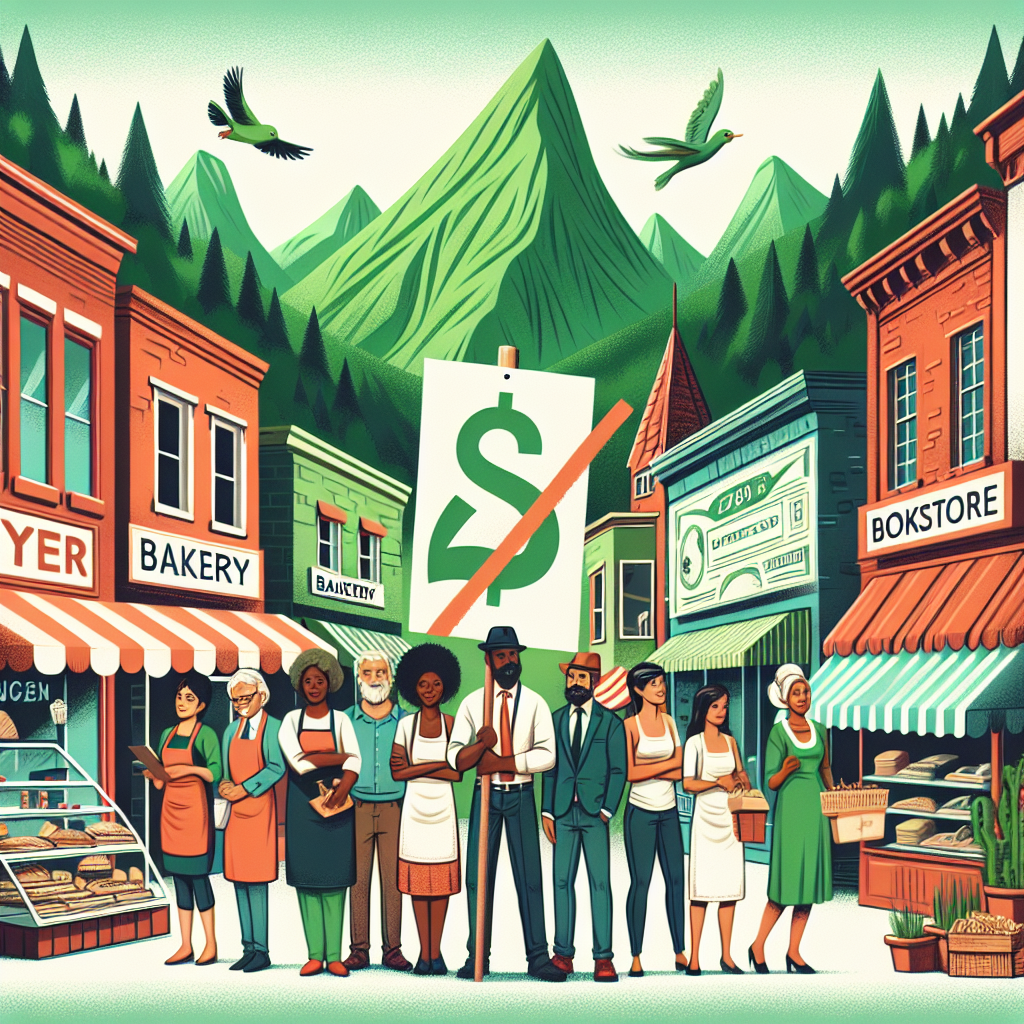
As Michael Moss surveys the 50 acres of Kilt Farm in Boulder County, he finds himself grappling with a challenging future. This year, he has opted to let his fields lie fallow, considering the viability of continuing his small organic farming operation amid significant changes in local labor laws.
"If it’s going to be elitist, if it’s going to be so small and so expensive, the numbers just stop working out," Moss explains, citing the county’s impending minimum wage increase to $16.57 in 2025, projected to soar to $25 by 2030. This dramatic rise raises crucial questions about the sustainability of small farms like his, which rely on hands-on labor rather than large-scale efficiencies.
Moss currently pays his workers between $17 and $20 an hour, already above the current minimum wage. However, with the looming increases set to outpace neighboring areas like Longmont—where the minimum wage will remain at $17—business owners like Moss express concern over the growing wage gap and its impact on their operations.
“Allison Steele, co-owner of Niwot Market, shared similar sentiments during a recent public comment hearing. The rise in minimum wage presents a challenge for businesses that often employ young workers who are just beginning their careers. "You cannot justify paying a 15-year-old $25 an hour," Steele stated, reflecting the struggles small business owners face in maintaining a balance between fair compensation and operational viability.
Boulder County’s vision for a higher minimum wage was intended to set a trend. Yet, many municipalities have yet to adopt similar measures, complicating the dynamic for local businesses. "It’s not going to be viable," Moss lamented, as he addressed the county commissioners alongside labor advocates during the hearing. The combined voices of farmers, small business owners, and community leaders highlight an ongoing debate about wages and economic sustainability.
In this context, one is reminded of Proverbs 11:1, which states, “The Lord detests dishonest scales, but accurate weights find favor with him.” The challenges posed by rising wages require thoughtful consideration, not just for economic survival but also for ensuring fairness and justice in the workplace.
Labor organizers assert that a strong minimum wage is crucial for the economic wellbeing of many residents, emphasizing that the county should explore ways to support small businesses as they adapt to these changes. The hope is that solutions can be found that allow farmers like Moss to thrive while ensuring that all workers receive fair wages.
Boulder County commissioners are set to deliberate on the situation, weighing five potential scenarios before a vote in November. The outcome may not only shape local labor practices but could also inspire neighboring communities to take action.
As we reflect on these unfolding developments, let’s remember the principles of compassion and stewardship that resonate throughout the biblical teachings. Just as Jesus exemplified love for the marginalized, there lies an opportunity for communities, businesses, and local governments to work collaboratively towards solutions that uplift all, ensuring that wages support dignity and provide for families.
Ultimately, this situation invites us all to consider: How can we foster a community that respects both the dignity of labor and the realities facing those who provide it? In navigating these challenges, may we embody the call to love and serve one another, seeking solutions that benefit everyone involved.
Explore and dig up answers yourself with our BGodInspired App. Be careful – each interaction is like a new treasure hunt… you can get lost for hours 🙂