 0
0
 0
0
China’s Shift: From Lender to Debt Collector in the Developing World
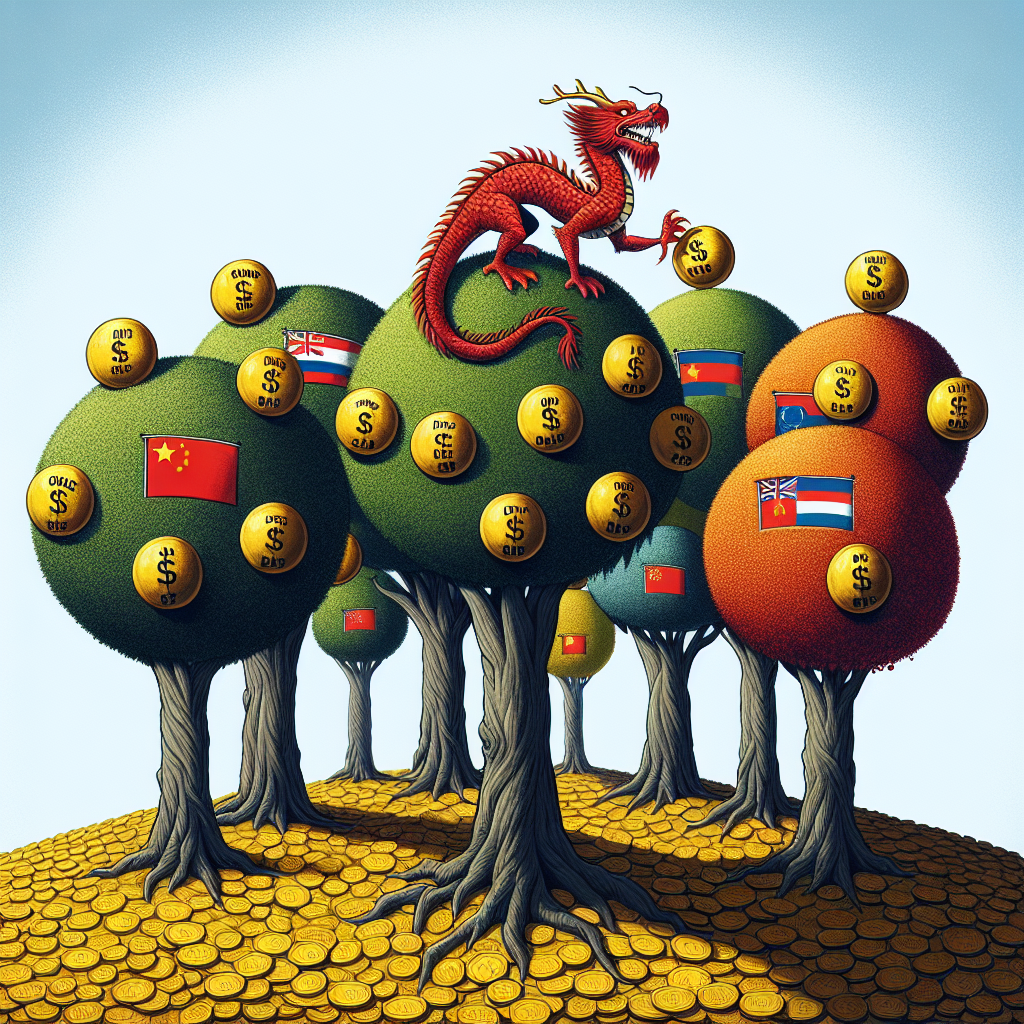
China’s role in global finance is undergoing a dramatic transformation. Once celebrated for its extensive lending practices aimed at fostering infrastructure development through the Belt and Road Initiative, it is now emerging as the primary debt collector for some of the world’s poorest nations. This significant shift raises concerns about poverty reduction and geopolitical stability across developing regions.
According to a recent report from Australia’s Lowy Institute, the decline in Chinese lending began before the COVID-19 pandemic, highlighting a change within Beijing’s approach. No longer the generous financier, China is now focusing on recovering outstanding debts and restructuring unsustainable loans, which underscores a growing diplomatic pressure to address debts owed by borrowing countries.
The Weight of Debt
The repercussions of this shift are manifold. As the report illustrates, over 25% of external debt in developing nations is currently owed to China. In 2023, these countries are projected to repay at least $35 billion to Beijing, which includes debt obligations from nations in Africa, South America, and across Asia. This substantial financial burden can crowd out critical governmental spending on education, healthcare, and infrastructure — vital areas for national development.
As the Bible reflects, "The rich rules over the poor, and the borrower is the slave of the lender" (Proverbs 22:7, ESV). This verse poignantly illustrates the delicate nature of financial dependencies and the responsibility that comes with lending. Nations in debt often find themselves in a bind, where obligations can overshadow essential investments in their citizens’ futures.
Emerging Risks and Concerns
Some countries, particularly those rich in critical minerals sought after by China, have yet to feel the strain of this lending retrenchment. For many others, however, the result has been dire. A recent Associated Press analysis found that nations like Pakistan, Zambia, and Kenya are experiencing heightened financial strain, where debt servicing is consuming vital tax revenue that could otherwise fuel growth.
Deborah Brautigam, an expert in China-Africa relations, emphasizes that this evolution in China’s financial tactics represents more than just political maneuvering. She argues that a shift is occurring within Chinese lending, focusing more on commercial viability rather than merely leveraging economic influence. This perspective aligns with the biblical principle that wise financial stewardship can lead to more sustainable and responsible outcomes.
Political Repercussions
In nations like Kenya and Sri Lanka, the implications of Chinese debt have begun to surface in political arenas. Rising anti-China sentiment has influenced electoral dynamics, with leaders leveraging public discontent to critique foreign debt dependency. The situation highlights how financial arrangements can lead to broader questions of sovereignty and national identity.
For instance, Sri Lanka’s recent financial crisis and the consequent restructuring of its substantial debts illustrate the harsh realities of falling behind on payments. Such defaults not only complicate future borrowing but can also destabilize national economies and currencies.
The Call for Awareness
Looking ahead, countries must navigate the challenges posed by a contracting lending landscape. As they strive for sustainable development amid evolving geopolitical realities, the lessons drawn from this situation resonate beyond financial realms. They remind us of the importance of community, responsibility, and the stewardship of resources.
As we reflect on these events, consider the call to be good stewards of our resources and relationships. "Moreover, it is required of stewards that they be found faithful" (1 Corinthians 4:2, ESV). This charge invites us to examine how we handle our own responsibilities and relationships, whether they be in our finances or our interactions with others.
An Encouraging Perspective
Understanding these complexities can be daunting, but they also offer a chance for growth and transformation. Countries burdened by debt might find liberation through a commitment to prudent financial practices, collaboration, and mutual support, fostering healthier, more resilient economies.
As we navigate our lives, let’s embrace a spirit of stewardship, reflection, and responsibility, aiming not only for personal gain but also for the well-being of our communities and nations. Each challenge brings an opportunity for innovation and faithfulness, urging us to think beyond ourselves, echoing the biblical principle of loving our neighbors as ourselves (Mark 12:31).
In these times of change, may we collectively seek wisdom and understanding, allowing our financial decisions to be informed not only by necessity but by a commitment to integrity, community, and mutual support.
Explore and dig up answers yourself with our BGodInspired Bible Tools! Be careful – each interaction is like a new treasure hunt… you can get lost for hours 🙂