 0
0
 0
0
Tragic Strikes Highlight Perils of Journalism Amid Conflict in Gaza
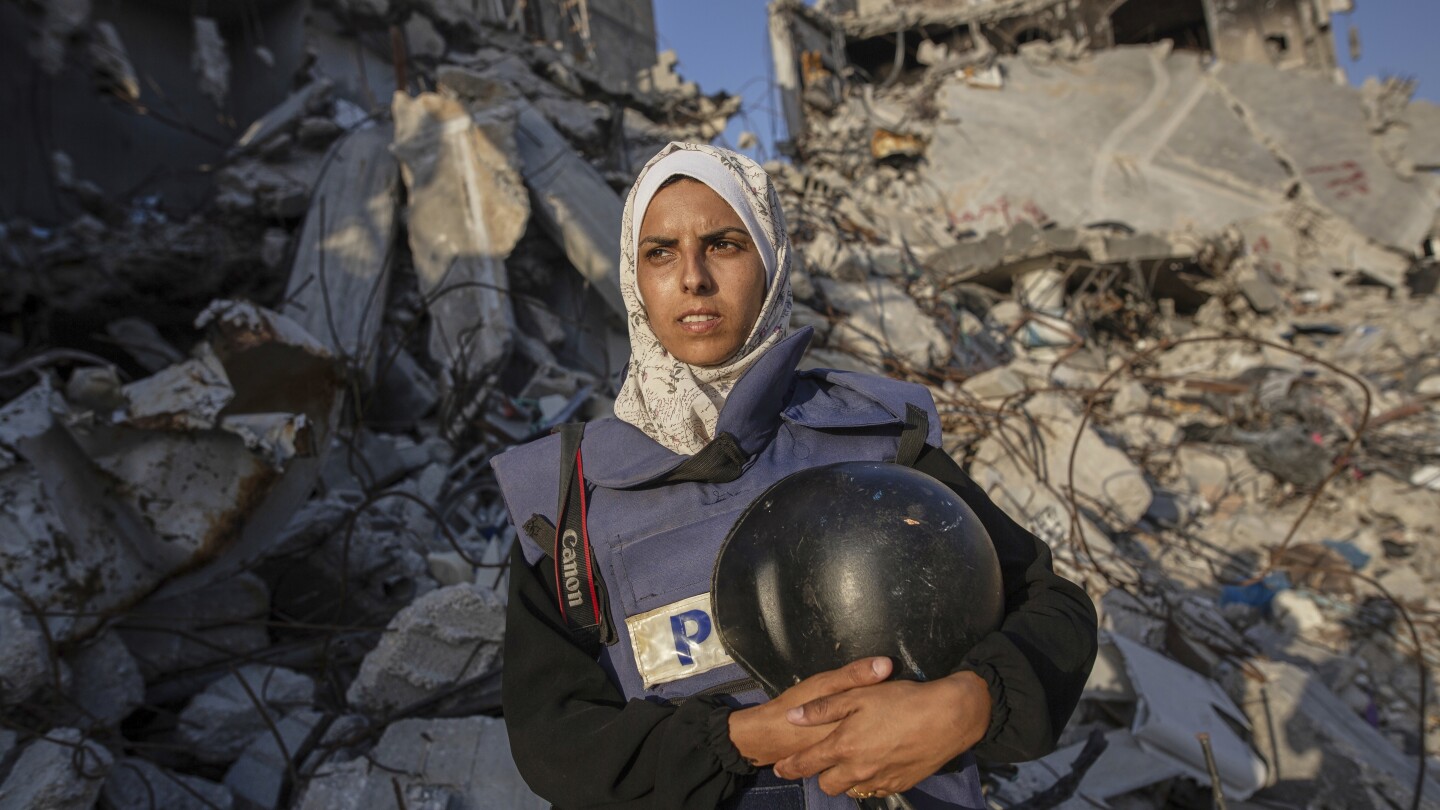
DEIR AL-BALAH, Gaza Strip (AP) — A recent Israeli airstrike on Nasser Hospital in Khan Younis claimed the lives of five journalists, underscoring the heightened dangers faced by media workers in conflict zones. Among the deceased was Mariam Dagga, a visual journalist well-known for her poignant reports on the plight of children suffering from starvation at the very hospital that was struck.
The strikes, occurring in rapid succession, left 20 people dead and inflicted injuries on numerous others, drawing widespread condemnation and concern regarding the safety of civilians and journalists in Gaza. The Associated Press expressed its dismay at the tragic loss, stating that it is committed to protecting its reporters amid increasingly perilous conditions. “[We are] shocked and saddened,” said the organization, emphasizing the vital role journalists play in documenting reality.
Israeli officials labeled the incident a “tragic mishap,” asserting their military’s commitment to avoid harming civilians, including journalists. However, past reports indicate that the Israel-Hamas conflict has been particularly deadly for media workers; the Committee to Protect Journalists reports 189 journalists have lost their lives in Gaza during the 22-month conflict, highlighting a grim reality that calls for significant reflection.
Israel’s military clarified that its intention was to target Hamas surveillance capabilities at the hospital. Nonetheless, the loss of life raises profound ethical questions concerning the treatment of journalists as harbingers of truth in perilous regions. Amid this, many journalists, like Dagga, face the same struggles for food and safety as their subjects, strengthening their empathetic connection to the communities they serve.
Reflecting on the broader implications of such violence, one cannot help but remember the teaching of Jesus: “Blessed are the peacemakers, for they will be called children of God” (Matthew 5:9). This verse encourages us to seek peaceful resolutions and acts of compassion, especially in tumultuous times. It invites readers to consider the role of empathy and understanding in bridging divides that seem insurmountable.
The escalating violence against journalists in Gaza serves as a stark reminder of the fragility of truth in wartime. Thibaut Bruttin of Reporters Without Borders highlighted this concern, stating that the environment for reporting has dramatically regressed, making the need for independent voices even more crucial.
As we reflect on these events, it’s important to recognize that each life lost is not just a statistic but a narrative cut short—a story yet untold, reflecting the universal human desire for safety and understanding. The plight of journalists like Dagga prompts us to consider our responsibility in advocating for the lives of those who bear witness to hardship and hope.
In closing, while we grapple with the harsh realities of conflict, let us remain inspired by the call for peace and understanding inherent in our shared humanity. Each of us can contribute to fostering an environment where truth prevails and where the voices of those in pain are not silenced. May we strive to be peacemakers in our own spheres, seeking justice and accountability that honors every life lost in the pursuit of truth.
Explore and dig up answers yourself with our BGodInspired App. Be careful – each interaction is like a new treasure hunt… you can get lost for hours 🙂