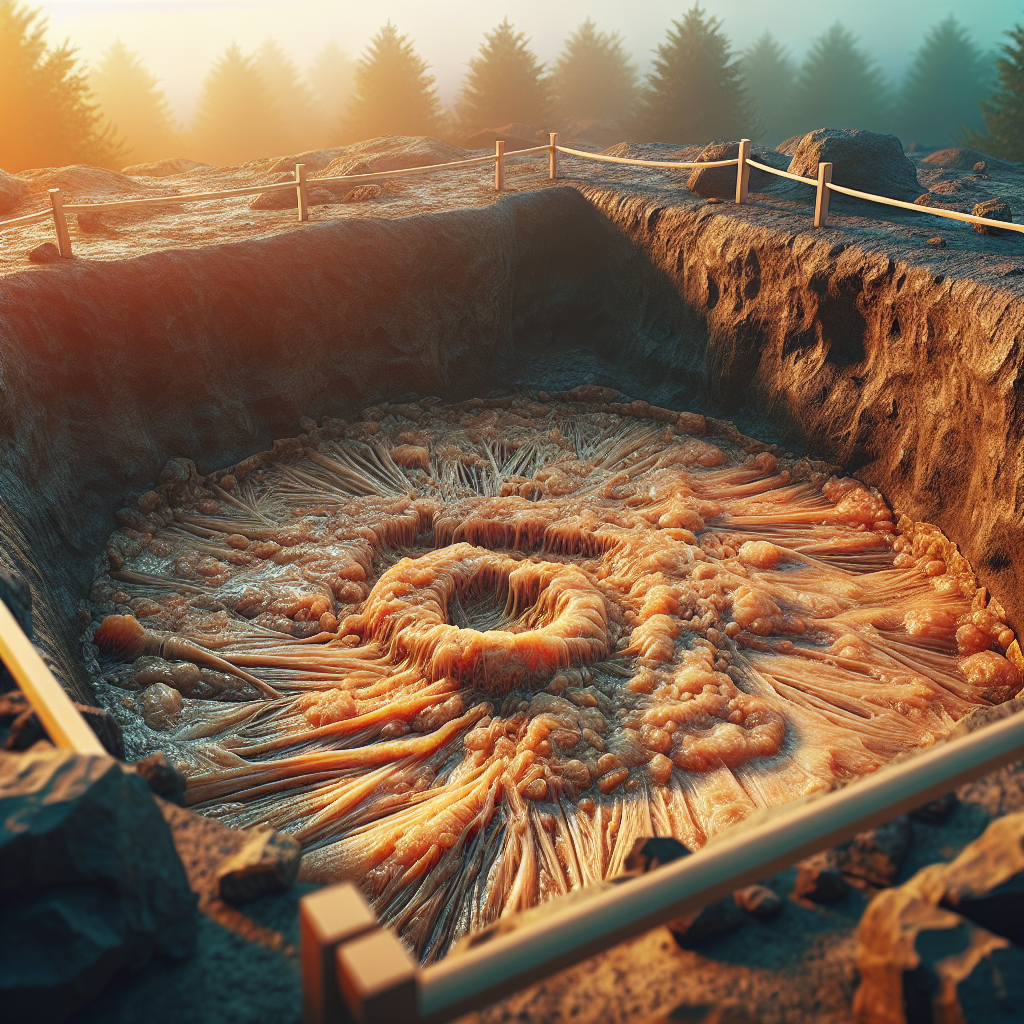
Fossil of Dinosaur Era Vomit Discovered in Denmark: A Unique Insight into Prehistoric Life
A remarkable discovery has been made in Denmark—a piece of fossilized vomit dating back 66 million years, to the time of the dinosaurs. Local fossil enthusiast Peter Bennicke stumbled upon this astonishing find at Stevns Klint, a coastal cliff that is a UNESCO World Heritage Site, renowned for its rich geological history and fossil deposits.
Bennicke, a self-acclaimed "fossil geek," noticed unusual fragments within a chunk of chalk while exploring the site. Upon examination at the Museum of East Zealand, experts confirmed that the fragments were remnants of sea lilies, an ancient marine species related to starfish and sea urchins. This revelation dated the volcanic artifact to the end of the Cretaceous period, a time when giant dinosaurs like the Tyrannosaurus and Diplodocus roamed the Earth.
Palaeontologist and museum curator Jesper Milan characterized the find as "truly unusual," highlighting its importance in understanding the prehistoric food chain. "It tells us something about who was eating who 66 million years ago," Milan stated during an interview with BBC. During this era, fish and sharks consumed sea lilies, which proved difficult to digest, leading to their eventual regurgitation. Such a discovery offers a rare glimpse into the daily realities of life beneath the ancient Cretaceous seas.
The significance of this find extends beyond mere curiosity; it contributes to a greater understanding of past ecosystems. Milan noted that while the museum’s initial information only reached the local press, the discovery has sparked global interest. "This is the world’s most famous piece of puke ever," he humorously remarked.
As we marvel at this fascinating fossil, it invites us to reflect on the intricate designs of creation and the interconnectedness of life, a reality echoed in Scripture. Jesus taught us to pay attention to nature’s details, as illustrated in Matthew 6:26: "Look at the birds of the air; they do not sow or reap or store away in barns, and yet your heavenly Father feeds them. Are you not much more valuable than they?"
This new piece of ancient history, while seemingly trivial, serves as a reminder of the intricate tapestry of life that God has woven across time. It encourages us to appreciate the smaller components of our world, recognizing that even the most unassuming discoveries can carry profound insights into the complex relationships present in creation.
As you read about this extraordinary fossil find, consider how every element of the universe, including ourselves, is part of a divine design. Let this discovery inspire you to explore the wonders of creation and reflect on its Greater Purpose, fostering a sense of gratitude and humility in our hearts.
Explore and dig up answers yourself with our BGodInspired Bible Tools! Be careful – each interaction is like a new treasure hunt… you can get lost for hours 🙂