 0
0
 0
0
Massachusetts Town Sparks Controversy Over Proposed Battery Park
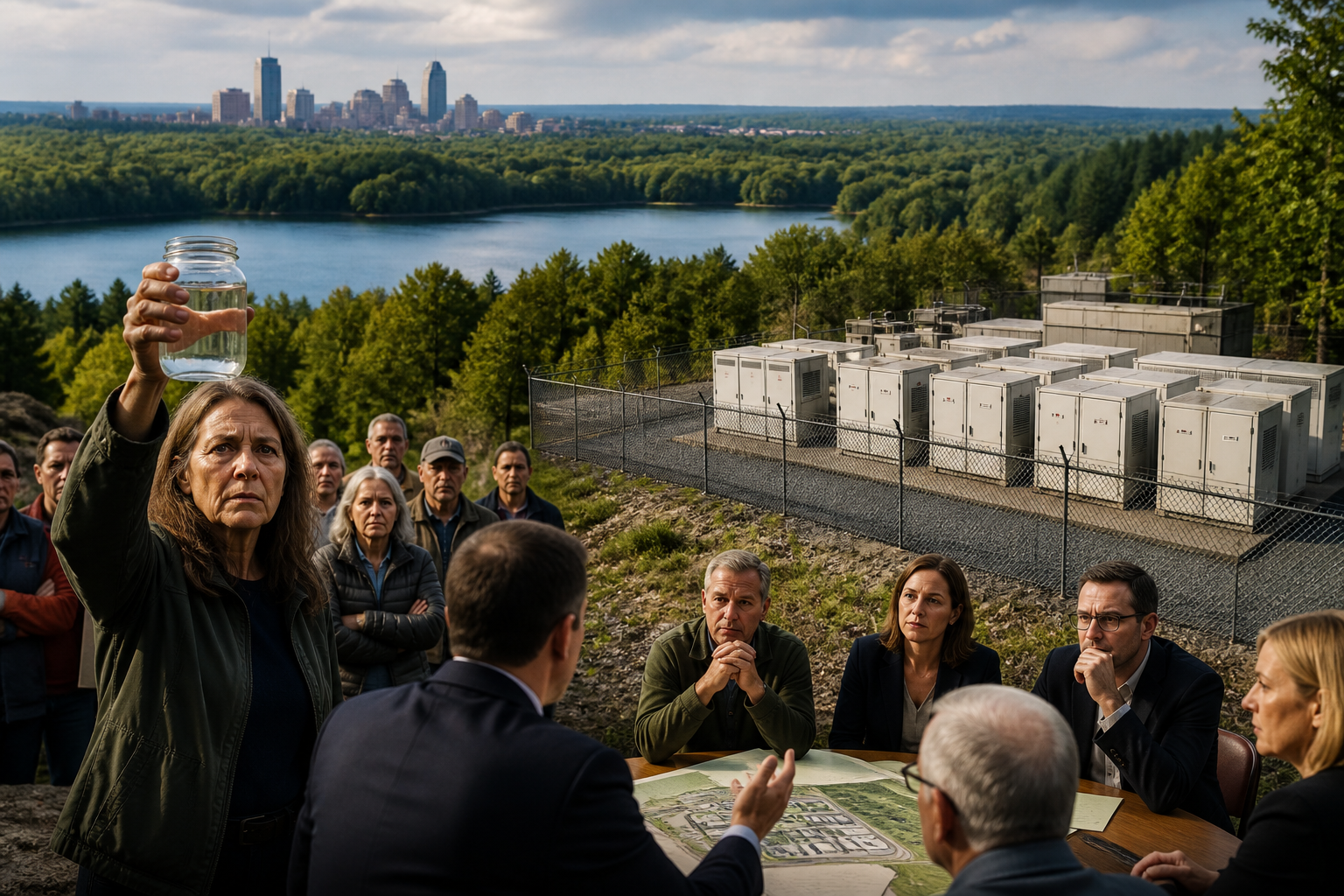
In a small Massachusetts town, a heated debate is unfolding as officials and residents resist the establishment of a new battery storage park, citing potential risks to Boston’s drinking water. Proponents of the project argue that renewable energy solutions are critical for the region’s sustainability, while critics stress the environmental implications that could endanger vital water resources.
As discussions heat up, the diverse opinions among local officials illustrate a community wrestling with the balance between progress and preservation. Some town representatives advocate for the battery park as a necessary step toward enhancing energy capacity and addressing climate change. However, others warn of the park’s proximity to crucial water sources, fearing contamination and the long-term health risks it could pose to the surrounding population.
The ongoing debate reflects the larger biblical principle of stewardship, reminding us of our duty to protect the earth and its resources. In Genesis 2:15, it is written, “The Lord God took the man and put him in the Garden of Eden to work it and take care of it.” This scriptural reference emphasizes the importance of safeguarding our environment, a commitment echoed by many community members advocating for caution on this project.
Local concerns also highlight a sense of communal responsibility, resonating with the biblical calling to love one’s neighbor. In Mark 12:31, Jesus teaches, "You shall love your neighbor as yourself." This principle encourages individuals and communities to consider the broader impact of their decisions on the lives of others, especially regarding critical resources like water.
As the town continues its deliberations, it serves as a reminder of the delicate balance between innovation and environmental conservation. The discussions should not only focus on immediate benefits but also reflect a deeper commitment to the well-being of future generations.
In this spirit, may we all reflect on the lessons of stewardship and neighborly love in our own lives and communities. As we navigate the challenges of progress, let us hold fast to principles that honor both creation and community. What choices are you making today that could affect the world you will leave behind?
If you want to want to know more about this topic, check out BGodInspired.com or check out specific products/content we’ve created to answer the question at BGodInspired Solutions
If positive Biblical wisdom matters to you, I’d love your support of the mission
Q&A about
Is it right to oppose the battery park if it threatens drinking water?
We can look to Scripture for guidance on stewardship of God’s creation. Jesus taught us in Matthew 25:14-30 about using our resources wisely, which includes protecting the environment and resources that sustain life. If the battery park endangers drinking water, faithful stewardship might compel us to voice our concerns.
How should we respond to differing opinions from local officials about the battery park?
When faced with differing opinions, it’s essential to approach discussions with grace and truth. James 1:19 reminds us to be quick to listen, slow to speak, and slow to become angry. We should engage in dialogue, seeking understanding while also sharing our perspective with kindness.
What does the Bible say about community and collective decision-making in issues like this?
Acts 15 highlights the importance of assembling together to discuss significant matters, drawing on the wisdom of the community. When a community faces a decision like the proposed battery park, it’s beneficial to gather voices, pray for guidance, and seek God’s direction together as a body.
How can faith influence how we view energy projects like battery parks?
Faith calls us to weigh the moral and ethical implications of our choices. Romans 12:2 instructs us not to conform to the patterns of this world but to be transformed, helping us evaluate modern energy solutions through a biblical lens. We must consider both the benefits and potential harms of such projects to ensure they align with God’s values for creation and community well-being.