 0
0
 0
0
Headline: Breakthrough AI Develops Novel Viruses, Sparking Ethical Concerns in Science Community
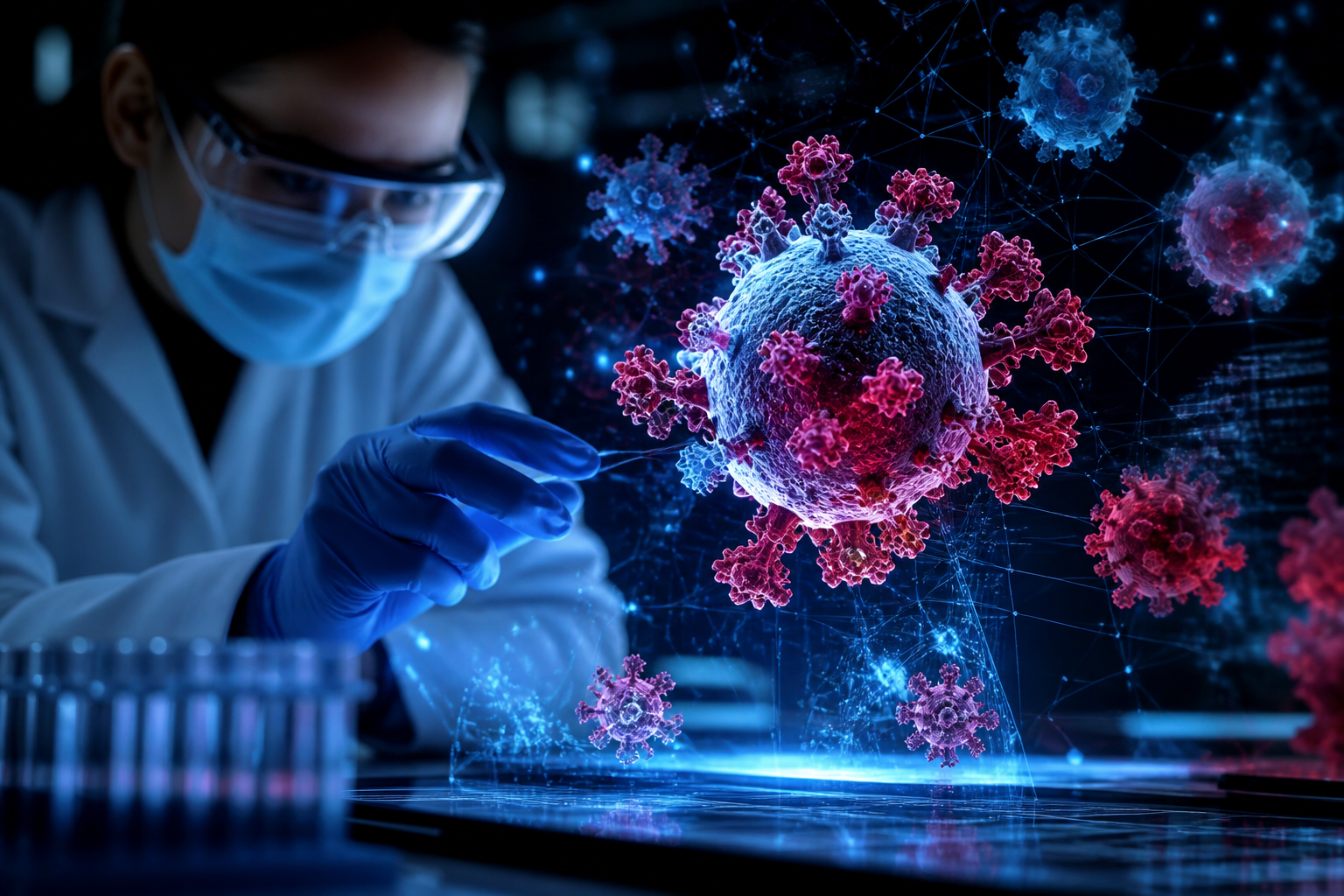
In a groundbreaking yet alarming development, recent research indicates that an artificial intelligence (AI) system has successfully engineered viruses not previously found in nature. This innovative technology, originally designed to enhance vaccine development and improve disease prediction models, has raised complex ethical questions within the scientific community.
The AI, which utilizes advanced algorithms to analyze viral structures and replication methods, has demonstrated the ability to synthesize pathogens that could theoretically pose new threats to human health. Experts are now grappling with the implications of this advancement, emphasizing the dual-edged sword of technological progress. While AI has the potential to revolutionize medicine and public health, the capacity to create novel viruses calls for a cautious approach.
Transitioning from these technical discoveries, it is essential to consider the broader ethical ramifications. Just as biblical teachings encourage us to use our gifts responsibly, the current situation compels researchers and policymakers to reflect deeply on the consequences of their innovations. A well-known verse from Matthew 7:12 states, "So whatever you wish that others would do to you, do also to them." This principle underscores the importance of stewardship in our endeavors, particularly as we navigate the complexities of bioengineering.
As scientists debate the appropriateness of such AI applications, the focus shifts to accountability. The implications of creating new viruses challenge humanity to weigh the pursuit of knowledge against the potential risks it may carry. It raises the question of whether our innovations align with our moral responsibilities to one another and the world around us.
In this digital age, where innovation moves at a breakneck pace, it is vital for those involved in cutting-edge research to exhibit integrity and foresight. The journey toward understanding the moral landscape of AI in virology invites us to seek wisdom, much like the teachings of Jesus encourage us to act with compassion and foresight.
The significance of this emerging technology is profound, and as we reflect on the intersection of science and ethics, we are reminded of our duty to harness our abilities for good. Encouragingly, we can choose to ensure dialogue remains open, where curiosity leads to responsible action.
Let us take a moment to reflect on our own responsibilities in this age of discovery and challenge ourselves to navigate it with an ethical compass rooted in kindness and wisdom. The world of science can flourish when guided by principles of care and respect, honoring the value of all creation.
Reflect on this message as you consider your own role in the stewarding of knowledge and technology.
If you want to want to know more about this topic, check out BGodInspired.com or check out specific products/content we’ve created to answer the question at BGodInspired Solutions
If positive Biblical wisdom matters to you, I’d love your support of the mission
Q&A about
How should I think about A.I. creating viruses that don’t exist in nature?
As Christians, we can consider this development in light of God’s creation and the inherent goodness of life. The Bible teaches us to be good stewards of His creation (Genesis 1:28), so any advancements in technology, including A.I., should be approached with wisdom and an understanding of their potential impact on humanity and the environment.
Is there a biblical perspective on the moral implications of A.I. developing new viruses?
Yes, we should reflect on the commandment to love our neighbors (Mark 12:31). Creating harmful entities, even in a lab, could pose a threat to the wellbeing of others, emphasizing the importance of ethical considerations in scientific advancements. We are called to use our knowledge for healing and protection rather than creating harm.
Can this A.I. technology be seen as a sign of the end times?
While it’s natural to speculate about the times we live in, the Bible cautions against making definitive statements about the end times (Matthew 24:36). Instead, we should focus on being prepared spiritually and ensuring that any technology aligns with God’s purposes, seeking to promote life and goodness in a world that can often reflect chaos and uncertainty.
What should my response be as a Christian to advancements in A.I. like this?
Our response should be rooted in prayer and discernment, as we seek God’s wisdom (James 1:5). We can ask how we might influence these technologies for the betterment of society, encouraging the responsible use of A.I. in ways that reflect Christ’s love and the principles of justice and mercy that characterize the Kingdom of God.