 0
0
 0
0
Title: Trump Administration Takes Control of AI Model Releases Amid Cybersecurity Concerns
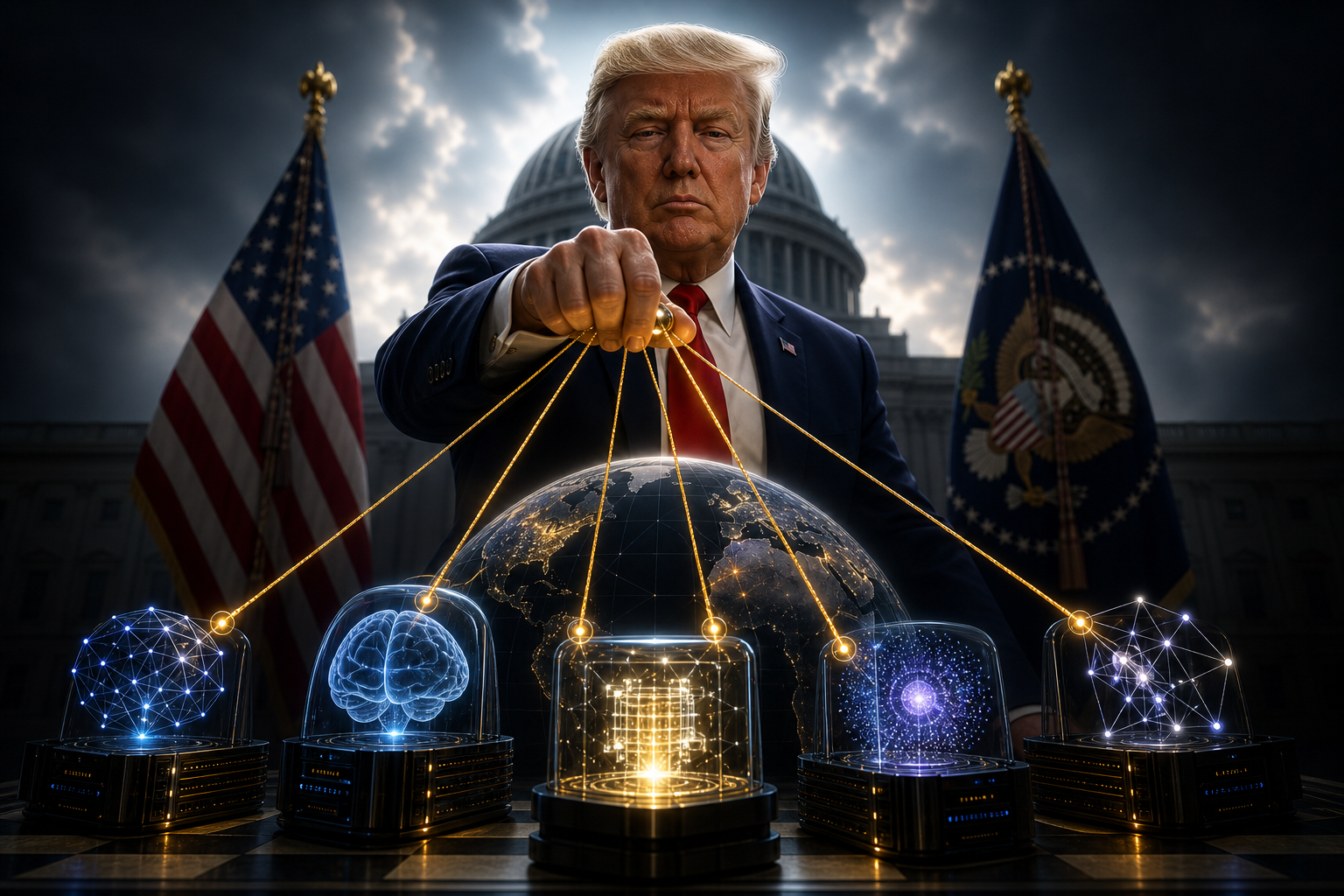
In a significant shift in AI governance, the Trump administration has asserted extensive control over the access and rollout of advanced artificial intelligence models. This move grants the government authority to dictate which companies and entities can utilize new AI capabilities, a responsibility previously held by major American tech firms like Anthropic and OpenAI.
On December 11, 2025, President Trump signed an executive order that marked a turning point in AI oversight during a ceremony attended by key figures, including Senate Commerce Committee Chairman Ted Cruz and Commerce Secretary Howard Lutnick. The new regulations arrive against a backdrop of escalating cybersecurity risks and the emergence of competitive Chinese AI models.
Previously, companies like Anthropic and OpenAI determined their own distribution strategies, often granting access to major enterprise partners. However, recent developments indicate that the administration’s scrutiny has tightened, especially following the blockage of Anthropic’s Claude Mythos 5 and Fable 5, which was lifted only after extensive negotiations highlighting national security worries.
A White House official clarified that while private companies maintain decision-making control over AI model releases, the administration encourages collaboration with industry to ensure the safety and security of AI technologies. The implementation of the "Gold Eagle" program aims to unify government and private sector efforts in addressing cyber vulnerabilities.
Concerns over global competition are reaching a fever pitch, with the Chinese startup Moonshot AI’s Kimi K3 model demonstrating capabilities that rival U.S. offerings, raising alarms about potential setbacks in the international AI race. Former White House AI czar David Sacks labeled this development as “concerning,” arguing that overly cautious regulation could hinder U.S. innovation.
As the administration balances regulation with the need for innovation, it echoes biblical principles of stewardship and the responsible use of power. In Matthew 25:14-30, the Parable of the Talents emphasizes the importance of wisely managing resources and talents entrusted to us. As society looks to navigate the uncharted waters of AI, there lies an opportunity for responsibility and care in how these technologies are governed and applied, reflecting a commitment to the common good.
The future of initiatives such as Project Glasswing and OpenAI’s Daybreak remains uncertain, as new partnerships may require explicit governmental approval moving forward. This evolving landscape necessitates a thoughtful consideration of how we lead in spaces filled with both promise and peril.
In this era of technological advancement, let us remain vigilant stewards of the gifts we’ve been given, engaging with them wisely and ethically. As we ponder these developments, may we reflect on the call to act justly, love mercy, and walk humbly—principles that encourage integrity and accountability in our shared journey.
Takeaway: The advancing frontiers of AI prompt us to consider our responsibilities both as innovators and as guardians of the greater good. How can we apply our talents wisely—both in technology and in life?
If you want to want to know more about this topic, check out BGodInspired.com or check out specific products/content we’ve created to answer the question at BGodInspired Solutions
If positive Biblical wisdom matters to you, I’d love your support of the mission
Q&A about
Is the Trump administration’s approach to AI models a form of control we’re warned against in Scripture?
The Trump administration’s control over AI models can raise concerns about power dynamics. Jesus taught us about the importance of humility and service, emphasizing that true leadership is about serving others (Mark 10:43-45). In navigating these developments, it’s essential to consider how we can ensure technology serves humanity and reflects God’s love and purpose.
How should Christian values shape our understanding of AI access and ethics?
Christian values inherently call for treating others with dignity and respect, underscoring the importance of ethics in technology. In Philippians 2:4, we’re reminded to look out for the interests of others, which suggests that access to AI should benefit all, not just a select few. We should advocate for transparency and fairness in AI development, ensuring it aligns with God’s principles of justice and compassion.
What does the Bible say about the potential dangers of powerful technologies like AI?
The Bible warns us about the temptations and perils of power. In James 3:1, we are cautioned about the responsibility that comes with authority, suggesting that those who manage AI must do so wisely and justly. It serves as a reminder to approach advancements with caution and ethical considerations, prioritizing the well-being of humanity.
How can I, as a Christian, respond to potential discrimination in AI access?
As Christians, we are called to advocate for justice and equality, reflecting God’s nature. In Galatians 3:28, Paul speaks of unity among believers, regardless of differences, highlighting that access to technology should be equitable. Engaging in dialogue and supporting inclusive policies can help combat discrimination and ensure that AI reflects God’s fairness and love for all people.