 0
0
 0
0
The Truth Behind Viral Kitchen Remedies for Cancer: What Science Really Says
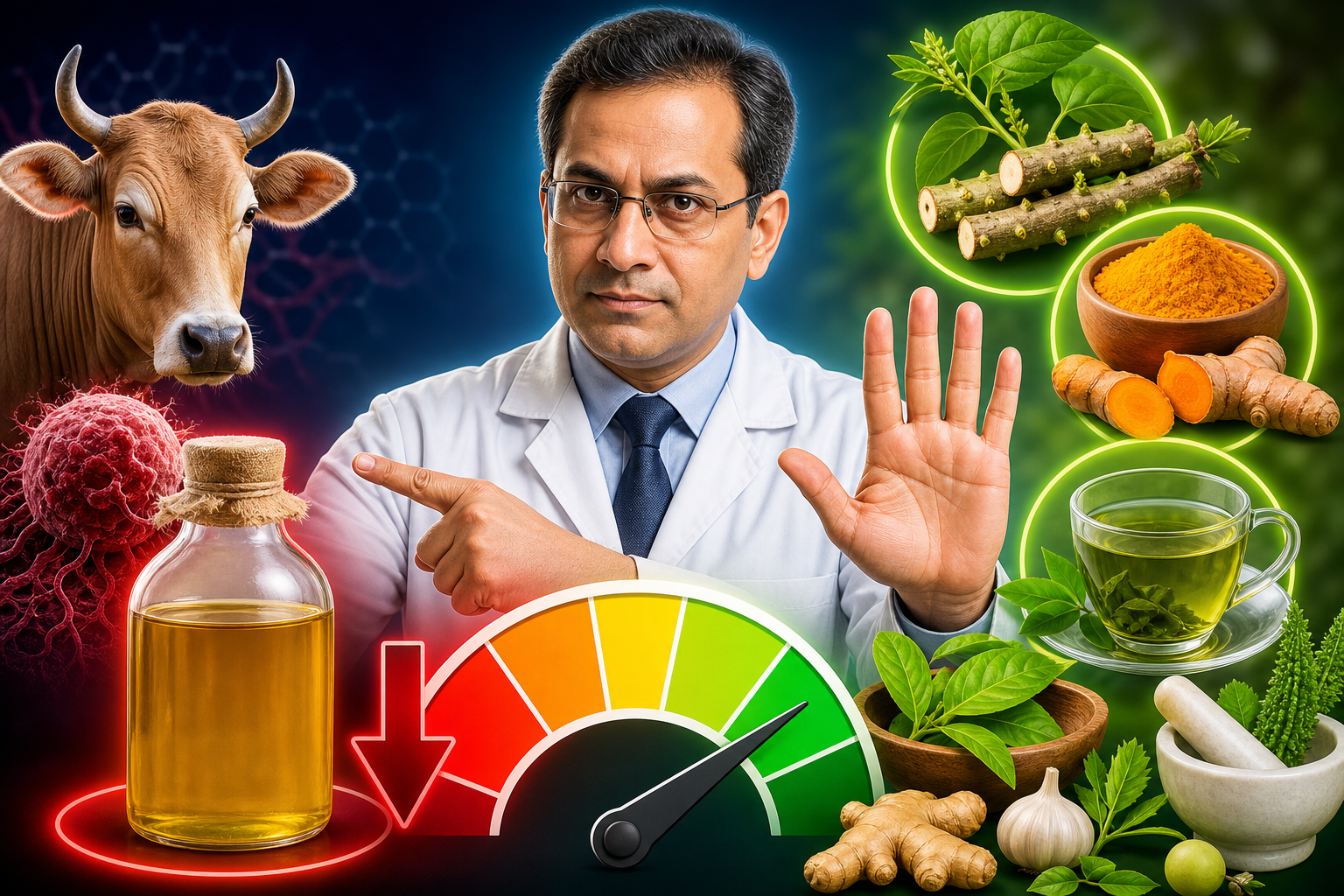
In a world where information spreads rapidly, many are turning to everyday kitchen ingredients and traditional remedies in hopes of preventing or even curing cancer. However, the question remains: How much of this is backed by scientific evidence? Dr. Vartika Vishwani, a prominent surgical oncologist, recently clarified this topic in a viral Instagram post, offering a reality check on popular "desi" remedies.
Dr. Vishwani’s analysis serves as a much-needed reminder that while many people seek natural alternatives, they must not lose sight of what evidence-based medicine provides. “None of these remedies should replace proven cancer treatments,” she emphasized, reflecting a principle echoed in Proverbs 12:15: “The way of fools seems right to them, but the wise listen to advice.”
Assessing Popular Remedies
-
Giloy: 2 out of 10
Dr. Vishwani rated Giloy low, citing limited human evidence and a potential link to liver injury. While some animal studies suggest immune-boosting properties, she cautioned against assuming it’s a harmless option. -
Green Tea: 6 out of 10
Earning the highest score, green tea’s active compound, EGCG, shows promise in laboratory contexts. However, Dr. Vishwani noted that it’s not yet proven to be an effective cancer preventive measure for humans, cautioning that excessive consumption may be required to see benefits. -
Cow Urine: Minus 10
This remedy received a scathing critique from Dr. Vishwani, who warned that relying on such unproven treatments could lead patients to delay necessary medical interventions. -
Lemon with Baking Soda: 0 out of 10
The belief that this combination can create an alkaline environment inhospitable to cancer cells is misleading, according to Dr. Vishwani, who emphasized the body’s tight regulation of pH levels. -
Turmeric with Black Pepper: 4 out of 10
Although studies indicate that curcumin may have anti-cancer properties, the effectiveness of turmeric as a cancer treatment remains unproven in humans.
The Message of Caution
Dr. Vishwani’s insights illuminate a profound truth: Seeking solutions in food and natural remedies is not inherently wrong, but it must be balanced with wisdom and discernment. While the Bible encourages us to seek healing and comfort—just as Jesus healed the sick (Matthew 4:24)—it also implores us to seek knowledge and understanding.
In the midst of health challenges, let us not forget the importance of professional guidance and scientifically validated treatments. The journey toward healing may be filled with temptation to pursue quick fixes, yet true restoration often requires patience and faith in competent medical advice.
An Encouraging Reminder
As we navigate the complexities of health and wellness, let us encourage one another to seek knowledge and wisdom, and to support those who are struggling with health challenges. Hebrews 10:24 reminds us, “And let us consider how we may spur one another on toward love and good deeds.”
In this journey, let us remember to reflect on the broader spiritual lesson: to approach life—including our health—with critical thinking, an openness to learning, and trust in the divine wisdom that ultimately guides our path.
If you want to want to know more about this topic, check out BGodInspired.com or check out specific products/content we’ve created to answer the question at BGodInspired Solutions
If positive Biblical wisdom matters to you, I’d love your support of the mission
Q&A about
Can cow urine really help with cancer treatment, and what does the Bible say about health remedies?
Using alternative remedies like cow urine for cancer can be controversial. In Scripture, our bodies are described as temples of the Holy Spirit, emphasizing the importance of treating them with care (1 Corinthians 6:19-20). While natural remedies can have their place, seeking God’s guidance through prayer and considering medical advice are essential in maintaining our health.
I’ve heard Giloy is good for health; what does the Bible say about herbal remedies?
Herbal remedies like Giloy can play a supportive role in health, but we should remember that true healing ultimately comes from God. James 5:14 encourages us to seek prayer and anointing from elders, indicating that faith and divine intervention are central to healing. It’s important to view natural remedies as part of a holistic approach to health that includes faith and prayer.
Is turmeric effective for fighting cancer, according to Christian beliefs?
Turmeric is praised for its anti-inflammatory properties, but we must trust in God as our ultimate healer (Psalm 103:3). Incorporating turmeric can complement a healthy lifestyle, yet we should prioritize prayer and reliance on God’s strength in our battle against illness. Trusting in Him while using natural aids reflects a balanced faith.
How reliable is green tea for cancer prevention from a biblical perspective?
Green tea is known for its antioxidant properties, but our faith should affirm that God is the one who grants health and recovery (3 John 1:2). While enjoying green tea as part of a healthy diet can be beneficial, we should not place our ultimate trust in it. Instead, let’s seek God for wisdom in our health choices, understanding that He is the source of all good gifts.