 0
0
 0
0
Study Examines Combined Effects of Liraglutide and Exercise on Weight Maintenance: A Step Towards Healthier Living
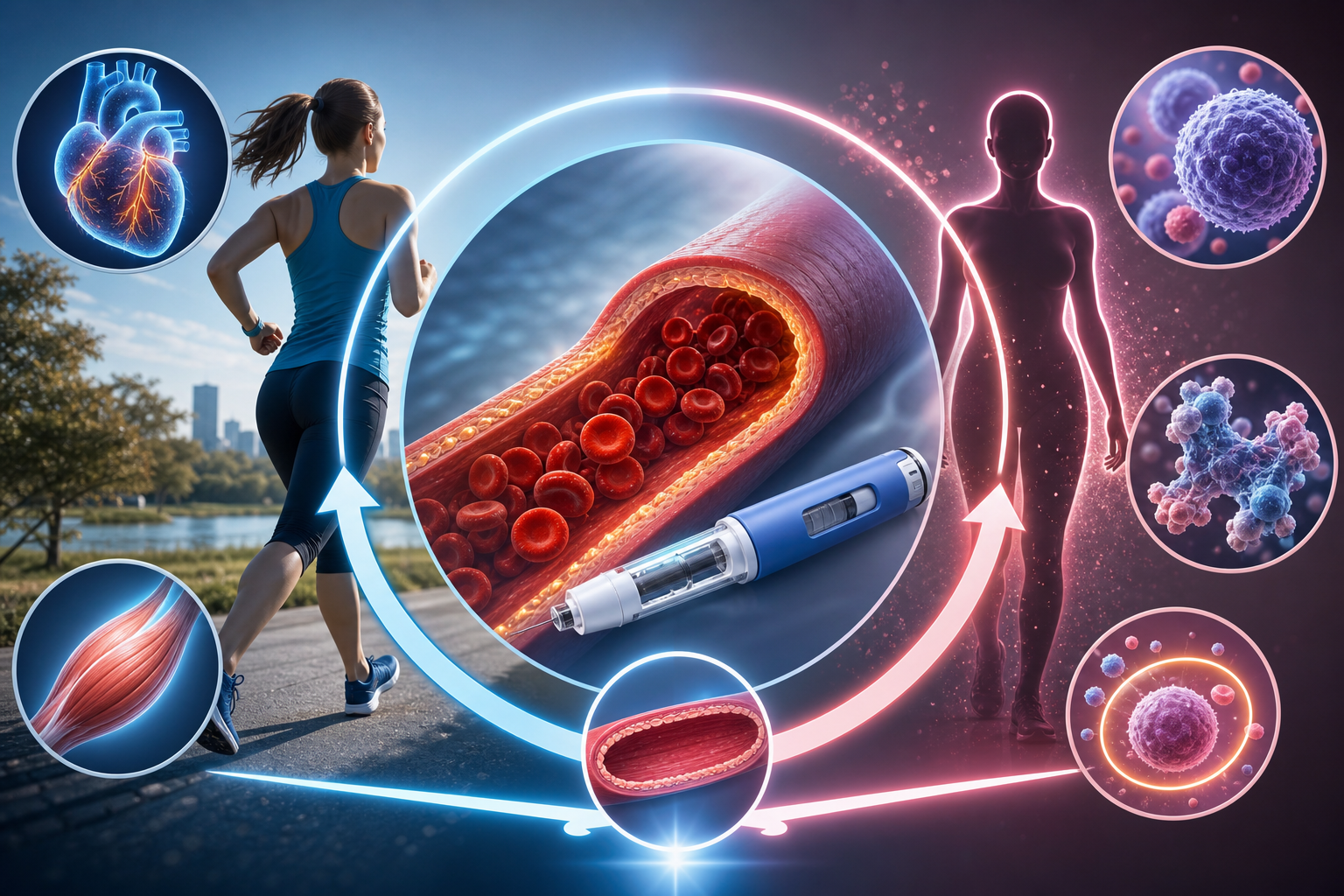
In a groundbreaking research initiative conducted at Copenhagen University Hospital Hvidovre and the University of Copenhagen, a team investigated the combined effects of the GLP-1 receptor agonist liraglutide and structured exercise on maintaining weight loss in adults with obesity. This randomized, placebo-controlled trial illuminates a promising pathway for better health and wellness, reinforcing the biblical principle that "whether you eat or drink or whatever you do, do it all for the glory of God" (1 Corinthians 10:31).
Background of the Study
This secondary analysis builds on a previously published trial protocol focused on healthy weight management through lifestyle changes. Participants were adults aged 18 to 65 with a body mass index (BMI) between 32 and 43 kg/m². They engaged in an intensive eight-week low-calorie diet before being randomized into four distinct groups for a year-long intervention.
The study employed a methodical approach ensuring ethical oversight, with participants providing informed consent and receiving compensation for their involvement. Such transparency and integrity echo the teachings of honesty and stewardship found in many Christian teachings.
Methodology and Interventions
The trial’s design was carefully orchestrated to test the effectiveness of structured exercise alongside liraglutide treatment, with participants allocated to one of four arms: a placebo with usual activity, exercise with placebo, liraglutide with usual activity, or a combination of exercise and liraglutide. The exercise regimen adhered to WHO recommendations, targeting a minimum of 150 minutes of moderate-intensity exercise weekly.
This focus on physical activity is reminiscent of the biblical view of the body as a temple, suggesting that taking care of our physical health is integral to spiritual well-being (1 Corinthians 6:19-20). The support structures implemented, including regular consultations and personalized encouragement, resonate with the relational aspects of Christian community, underscoring the importance of fellowship and mutual support in achieving health goals.
Measuring Outcomes
The primary focus of the study was to measure changes in carotid intima-media thickness (cIMT)—a viable indicator of cardiometabolic health—after 52 weeks of intervention. This aligns with the biblical principle of being good stewards of our bodies, as we seek to maintain not just physical health but overall well-being.
Secondary outcomes included the analysis of inflammatory markers, highlighting a holistic approach to health that mirrors the physical, mental, and spiritual dimensions emphasized in the scriptures. Participants’ health improvements reflect the notion that good health can be a form of divine blessing and responsibility.
Statistical Rigor and Findings
Results were analyzed using a detailed statistical framework, acknowledging the need for rigor in scientific investigations. The researchers’ commitment to transparency and care reflects Biblical wisdom—"A wise man will hear and increase learning" (Proverbs 1:5).
As the findings contribute to our understanding of obesity treatment, they also invite us to think deeply about the role of discipline in achieving lasting change. Just as the trial’s structured approach yielded positive outcomes, so can our lives reflect the discipline taught by Christ, ultimately leading us to spiritual and personal growth.
Encouragement and Reflection
This study encapsulates more than just data; it poses transformative questions about our health and stewardship. By integrating physical wellness with spiritual diligence, we can move towards a life that honors our bodies as creations of God.
As you reflect on the principles behind this research, consider how you might integrate some of these practices into your life. "Therefore encourage one another and build one another up, just as you are doing" (1 Thessalonians 5:11).
Embrace the journey of self-care with an understanding that every step toward healthier living can be an expression of faith, promoting not just bodily health but spiritual vitality as well.
If you want to want to know more about this topic, check out BGodInspired.com or check out specific products/content we’ve created to answer the question at BGodInspired Solutions
If positive Biblical wisdom matters to you, I’d love your support of the mission
Q&A about
Does exercise really improve vascular health during weight loss?
Exercise has been shown to benefit vascular health, especially during weight loss. This aligns with the biblical principle of taking care of our bodies as temples of the Holy Spirit, reminding us in 1 Corinthians that our physical health is essential for serving others and glorifying God.
How does liraglutide affect inflammation while maintaining weight loss?
Liraglutide can reduce inflammation, which is crucial for overall health during weight loss maintenance. This reflects the teaching in Philippians about sustaining our bodies and minds with the peace of God, which can be seen as fostering a healthy lifestyle through both physical and spiritual means.
Can combining exercise and liraglutide really help with longer-term health?
Absolutely, when paired together, they can significantly enhance health outcomes. Just as in Romans, where we learn to rejoice in our sufferings, committing to a lifestyle that includes both exercise and medication can lead to spiritual and physical growth, fostering perseverance in our faith journey.
What role does faith play in staying committed to a weight loss plan?
Faith provides the strength and motivation needed to maintain a healthy lifestyle. As seen in Hebrews, where we are encouraged to run the race set before us with endurance, leaning on God helps us stay committed to our health goals, reminding us that our journey is not just physical but also a spiritual pursuit.