 0
0
 0
0
South Korea’s Stock Market Sinks on U.S. Job Data, Raising Concerns and Opportunities
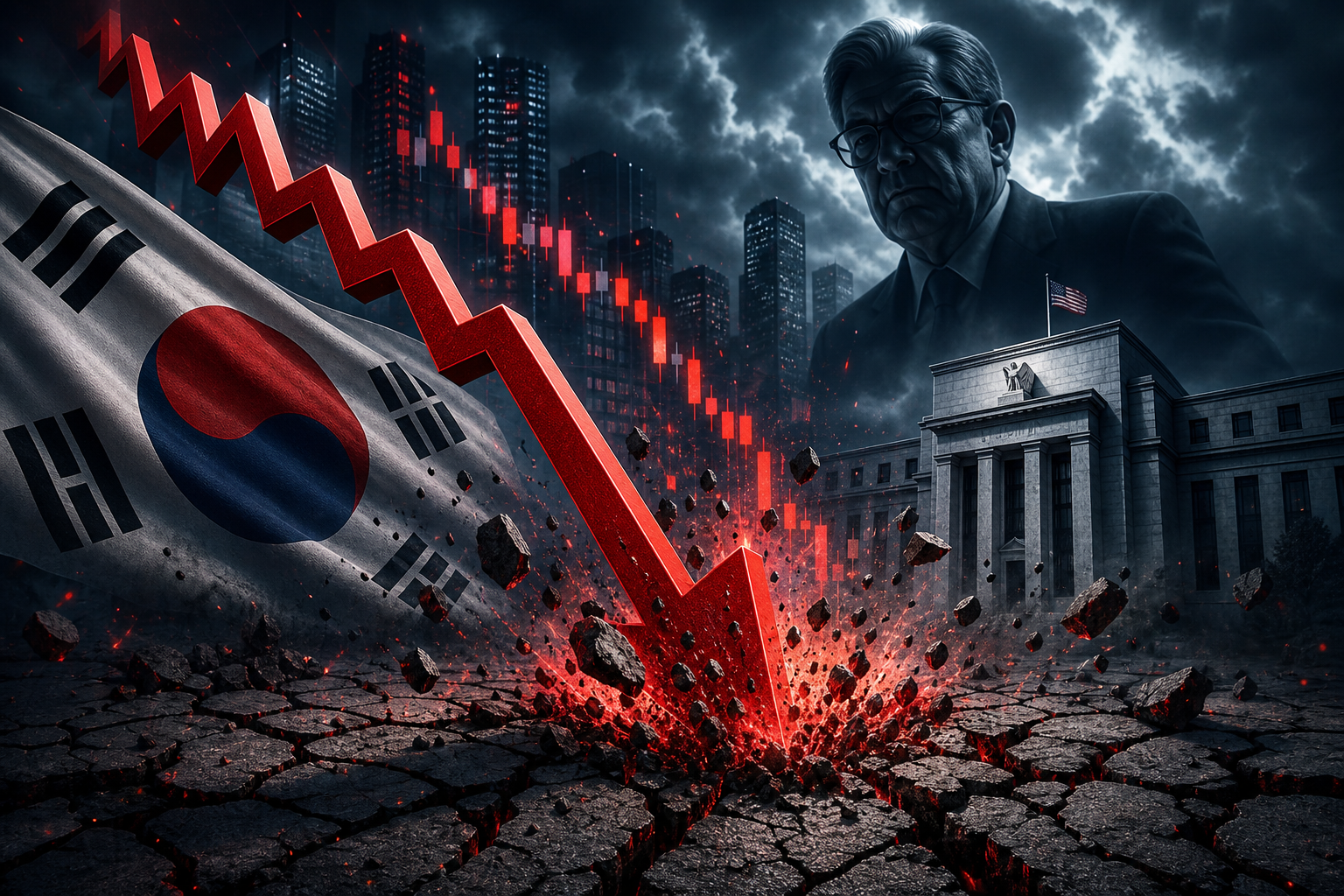
SEOUL, June 8 (Reuters) – South Korea’s stock benchmark suffered a dramatic plunge of over 8% on Monday, activating circuit breakers for the first time in three months. This significant drop was spurred by robust U.S. employment data that intensified speculation around a possible Federal Reserve rate hike, resulting in a selloff particularly within the tech-heavy sectors that had previously underpinned an impressive rally in the market.
The KOSPI index closed down 8.3% at 7,484.41, its most substantial decline since March 4 and now sitting 15% below its peak of 8,801.49 reached just last week. This rapid downfall raises questions about market volatility and the sustainability of recent gains.
Market Reaction to Strong U.S. Data
Key players in the semiconductor space, such as Samsung Electronics, tumbled by 10.2%, and SK Hynix fell 7.7%. This came despite positive comments from Nvidia’s CEO about SK Hynix remaining a significant partner amid new deals announced during his visit to South Korea. Both companies had driven the KOSPI’s remarkable ascent this year, reflecting an increase in market capitalizations of over 150% and 200%, respectively.
Trading disruptions were evident early in the session, with circuit breakers halting trading for 20 minutes. It marked the third activation this year, highlighting growing concerns over market stability. The won showed a resurgence, rising more than 1% to 1,533.7 per dollar after an emergency meeting with financial authorities promised firm action against speculative trading.
Reflecting on the broader economic environment, analysts suggest that while increased volatility is anticipated, the sharp corrections may be necessary. Han Ji-young, an analyst at Kiwoom Securities, stated, “It is unlikely that the rout will go on for several days,” noting that the KOSPI’s current valuation may create new opportunities.
A Call to Steadiness
In times of market uncertainty, it’s easy to feel overwhelmed or anxious. The Bible offers timeless wisdom, reminding us that “The plans of the diligent surely lead to abundance, but everyone who is hasty comes only to poverty” (Proverbs 21:5). This principle encourages patience, diligence, and steady planning even when external circumstances oscillate.
President Lee Jae Myung addressed the turmoil, declaring the market “still undervalued” and attributing fluctuations to foreign investors rebalancing portfolios. He affirmed that current exchange rates are a temporary phenomenon.
Despite Monday’s losses, the KOSPI remains up 78% year-to-date, reflecting the broader narrative of resilience.
Finding Hope Amidst Uncertainty
While the market’s recent downturn may instill fear, it also serves as a reminder to seek wisdom and clarity. In a constantly changing landscape, it is vital to cultivate a mindset of faith and peace. For those navigating similar uncertainties in life, these moments can inspire deeper reflection on our foundations.
As we witness the fluctuations in the market and our lives, it invites us to hold on to what is steadfast. Let us remember to approach difficulties with the assurance that, much like the diligent worker whose plans lead to abundance, our efforts rooted in faith can bear fruit—even in challenging times.
It’s essential to take a step back and reflect on the broader spiritual lesson amidst economic volatility: finding stability in faith and wisdom can illuminate our path, reminding us that every downturn holds the potential for growth.
If you want to want to know more about this topic, check out BGodInspired.com or check out specific products/content we’ve created to answer the question at BGodInspired Solutions
If positive Biblical wisdom matters to you, I’d love your support of the mission
Q&A about
Why is the KOSPI falling over 8% and what does it mean for me?
The recent decline in the KOSPI can create anxiety about financial stability. In times like these, it’s essential to remember that Jesus teaches us not to worry about tomorrow, as each day has enough trouble of its own (Matthew 6:34). Approach your financial concerns with prayer and trust in God’s provision, knowing He cares for you.
How should I respond to the tech market crash as a Christian?
As believers, we can find peace in realizing that our value is not tied to worldly wealth. The Bible reminds us to store up treasures in heaven, rather than focusing solely on earthly gains (Matthew 6:20). Use this moment to reassess your priorities and strengthen your faith amid uncertainty.
What can I learn about faith and money from the KOSPI’s drop?
The fluctuation of the KOSPI highlights the transient nature of worldly assets. Jesus cautioned against placing our trust in riches, teaching that we cannot serve both God and money (Matthew 6:24). This is a chance to rely more on God’s faithfulness than on financial security.
Is it wrong to worry about my investments after the KOSPI drop?
It’s natural to feel concerned, but Scripture encourages us to cast our anxieties on God because He cares for us (1 Peter 5:7). Rather than letting fear dictate your thoughts, turn to God in prayer and seek His guidance in your financial decisions. Remember, true peace comes from trusting in His plans for you, even in turbulent times.