 0
0
 0
0
Discovering Grace in Tsukimichi: Moonlit Fantasy
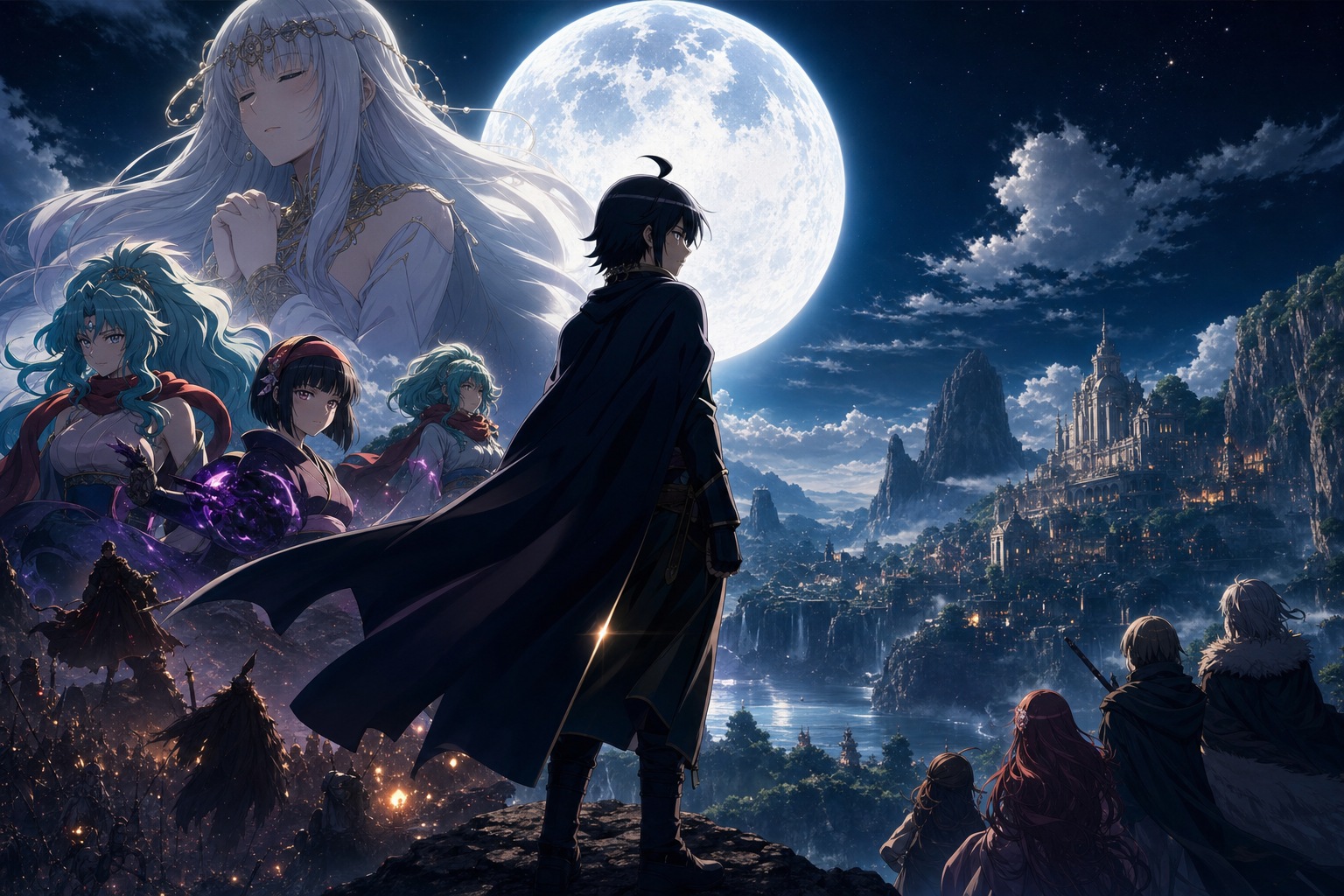
Remember that moment when Makoto is transported to another world, but rather than being welcomed as a hero, he’s cast aside by the goddess? It’s a twist that challenges the typical isekai narrative. Makoto’s journey begins with rejection and misunderstanding, not glory. This moment is crucial because it defines his path — a path marked by resilience, discovery, and unexpected alliances.
What struck me about this scene is how it subverts our expectations. Instead of gifting Makoto with power and prestige, the series plunges him into struggle, forcing him to rely on his inner strength and the unlikely friends he makes, like Tomoe and Mio. Makoto has to navigate his new reality not with divine favor, but with resourcefulness and integrity. It’s a refreshing take on the hero’s journey that highlights humility and the true essence of strength.
Now here’s where it gets interesting. Consider how Makoto’s experience mirrors the story of Joseph in the Bible. Joseph, just like Makoto, found himself in an unexpected place — sold into slavery by his brothers and ending up in Egypt. Initially rejected and cast aside, Joseph’s journey was not one of immediate triumph but of perseverance and faith. Through his trials, Joseph discovered his purpose and eventually rose to a place of power, much like how Makoto finds his own path and creates a community.
This parallel between Makoto and Joseph illuminates a deeper truth: rejection can often be the pathway to our true calling. In both stories, it’s not supernatural power that defines their success but their character and their ability to build trusting relationships. There’s a moment in Romans where it says, “We rejoice in our sufferings, knowing that suffering produces endurance, and endurance produces character, and character produces hope.” This sentiment resonates perfectly with Makoto’s journey. He turns setbacks into strength, building a life that isn’t defined by others’ expectations but by his own values.
Reflecting on Makoto’s story in Tsukimichi and Joseph’s story from the Bible, we see that grace often finds us in places of imperfection. What these narratives reveal is a more profound layer of hope — that our worth isn’t contingent on immediate success or recognition, but in how we navigate the paths we’re given.
So, as we journey with Makoto through his world of mystical encounters and divine snubs, we’re reminded that sometimes, being cast aside opens up the opportunity to build something truly exceptional. Not every hero begins with glory, and not every purpose is apparent from the start. Grace comes in the perseverance and the strength we find in unexpected friendships.
Discussion Question:
How does Makoto’s journey of rejection and resilience in Tsukimichi: Moonlit Fantasy shift your perspective on moments of rejection in your own life? Let me know in the comments.
Social Share Post:
“Ever noticed how Tsukimichi’s Makoto and Joseph from the Bible share a tale of rejection leading to true purpose? Dive into an unexpected connection! [URL]” #Tsukimichi #BibleInsights
If positive Biblical wisdom matters to you, I’d love your support of the mission
Q&A about Tsukimichi: Moonlit Fantasy (2021-Present)
Can Christians watch anime like Tsukimichi: Moonlit Fantasy?
Christians can choose to engage with anime by discerning its themes and content. Philippians 4:8 encourages believers to focus on whatever is true, noble, and pure. If the show aligns with these values or is at least neutral, watching it can be permissible; however, it’s important to avoid content that contradicts Christian teachings.
Does Tsukimichi: Moonlit Fantasy contradict Christian values?
Tsukimichi involves themes like reincarnation and magic, which can be contrary to Christian beliefs. Christians can reflect on Romans 12:2, which calls them not to conform to the world but transform their minds according to God’s will. It’s crucial to be mindful of how such themes affect one’s faith and understanding.
How should Christians perceive the supernatural elements in Tsukimichi?
Christians can view supernatural elements as fictional and separate them from their faith, recognizing that true power comes from God. When engaging with supernatural content, 1 John 4:1 advises testing spirits to ensure their alignment with God’s truth, reminding believers to maintain clear distinctions between fiction and spiritual reality.
What does the Bible say about seeking alternate realities like in Tsukimichi?
The desire for alternate realities can reflect a deeper longing for purpose and fulfillment found only in Christ. Colossians 3:2 encourages setting minds on things above, rather than earthly distractions. Christians are called to seek fulfillment in their relationship with God, providing peace and purpose beyond any fictional world.