 0
0
 0
0
Understanding Artistic Taste: A Reflection on Beauty, Truth, and Spiritual Growth
A recent discussion on artistic taste has ignited a vibrant debate around what constitutes "good art." An insightful analysis highlighted eight distinct elements that contribute to our perception of art, challenging conventional wisdom and prompting deeper thought. The conversation emphasizes the complexity of artistic appreciation, urging us to untangle various factors that influence our tastes.
The Nuances of Taste: Beyond Personal Preference
Art connoisseurs often grapple with defining what constitutes "good" art. The discussion notes eight key components:
- Sensory Delight: The immediate emotional response art evokes, such as joy from Beethoven’s Ode to Joy or awe from Michelangelo’s David.
- Novelty and Innovation: The importance of originality, as exemplified by the Impressionists’ groundbreaking approach to painting.
- Knowledge and Context: Understanding the historical or personal context behind a work enhances appreciation.
- Changing Fashions: Acknowledging that trends influence what is deemed valuable in the art world at any given time.
These elements prompt us to critically evaluate not just art, but the criteria by which we judge it, reminiscent of biblical teachings on discernment and the importance of seeking truth.
Bridging Art and Spirituality
At the heart of this artistic discourse lies a profound connection to spiritual principles. The Bible encourages us to seek truth and beauty, as reflected in Philippians 4:8: "Finally, brothers and sisters, whatever is true, whatever is noble, whatever is right, whatever is pure, whatever is lovely, whatever is admirable—if anything is excellent or praiseworthy—think about such things."
This verse invites individuals to align their artistic engagements with uplifting and noble intentions. It challenges us to appreciate art as an avenue for exploring deeper truths about ourselves and the world.
The Transformational Power of Art
Art has the potential to ignite transformation within the human spirit. Just as the writings of great poets can evoke a sense of wonder and connection, so too can visual art resonate deeply within us. The discussions emphasize that true engagement with art transcends surface-level enjoyment, encouraging us to dive into a more meaningful exploration of life.
Conclusion: Embracing Art as a Spiritual Journey
As we navigate the complex landscape of artistic taste, it is vital to approach it with a mindset that values not just innovation and context but also the deeper truths art can reveal about our lives.
Let us reflect on how our interactions with art influence our understanding of beauty and truth. As we embrace this spiritual journey, we are invited to seek the extraordinary amidst the ordinary, just as Jesus taught us to find hope and light even in difficult circumstances.
Encouraging Takeaway
Next time you engage with a piece of art—be it a painting, poem, or performance—consider not just its aesthetic value, but the deeper truths it may reveal. Allow your experiences with art to enrich your spiritual journey, inspiring curiosity and fostering growth in your understanding of beauty and truth in the world around you.
If you want to want to know more about this topic, check out BGodInspired.com or check out specific products/content we’ve created to answer the question at BGodInspired Solutions
If positive Biblical wisdom matters to you, I’d love your support of the mission
Q&A about
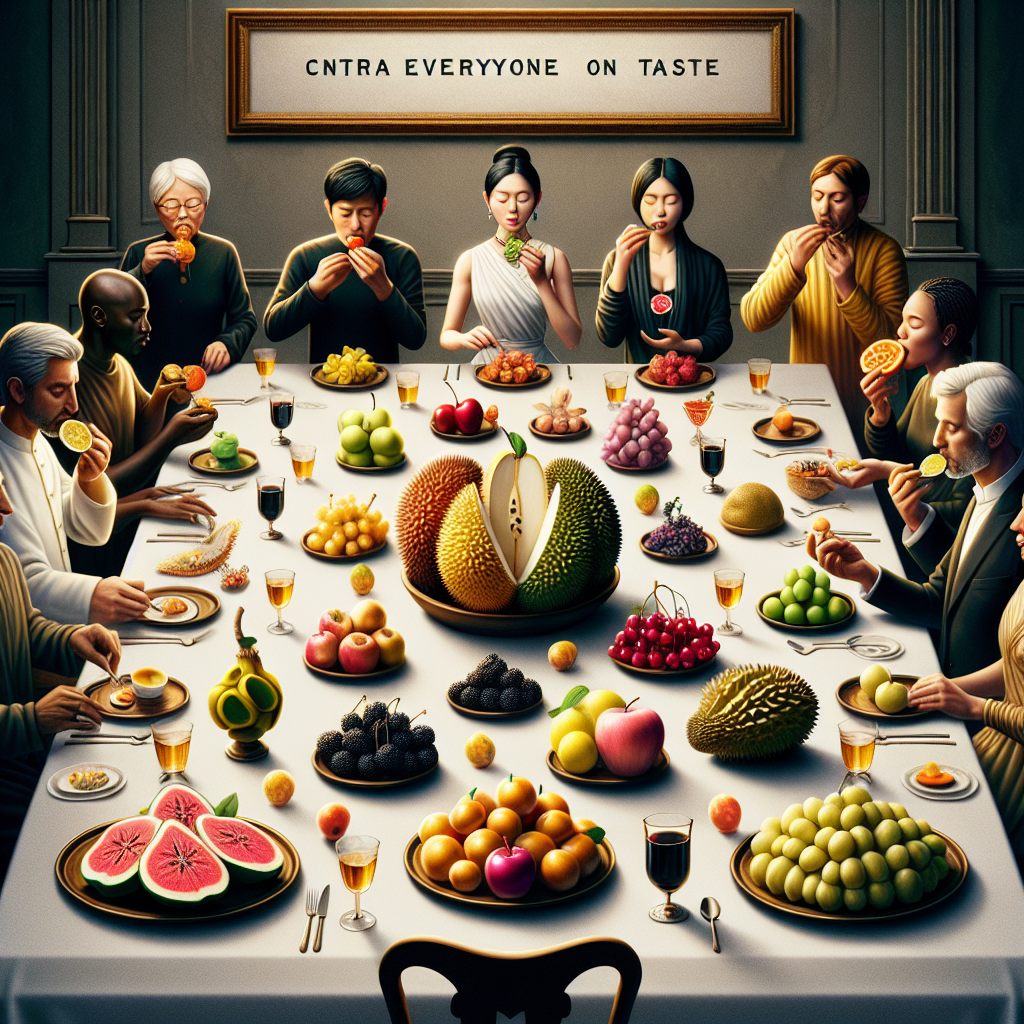
Why should I care about what Scott Alexander says in "Contra Everyone On Taste"?
Understanding perspectives like those in "Contra Everyone On Taste" can help us appreciate the diversity of God’s creation and the uniqueness of each individual. Just as Paul writes in 1 Corinthians 12 about the body of Christ being made up of many parts, we can see that differing tastes contribute to a richer community, reflecting the variety of God’s handiwork.
Does taste in art or culture really matter for a Christian?
Yes, taste matters as it reflects our values and how we engage with the world God created. Colossians 3:2 encourages us to set our minds on things above, which includes how we appreciate beauty and truth. Engaging with culture thoughtfully can be a way to honor God and share His love with others.
How can I apply the ideas from "Contra Everyone On Taste" in my daily life?
You can apply these ideas by practicing discernment in what you consume, keeping Philippians 4:8 in mind as a guide for what is true, noble, and praiseworthy. This approach allows you to appreciate various expressions of creativity without compromising your values, fostering a heart of gratitude for both the good and the challenging aspects of culture.
How do personal preferences relate to my faith journey?
Personal preferences can be seen as a reflection of God’s design for individuality and diversity. Romans 14 teaches us to accept one another in our preferences, recognizing that God has accepted us. Embracing our tastes while respecting others’ can strengthen our faith community and demonstrate God’s love in action.