 0
0
 0
0
Spiritual Devotional about Nature of God
Embracing the Divine: Reflecting on the Nature of God
Hello, beloved readers!
Today, let’s embark on an enlightening journey to explore the profound nature of God, a journey that promises to uplift and inspire our spirits. Understanding the nature of God is a lifelong endeavor, a beautiful dance between discovery and faith. The Bible offers us glimpses of who God is, and through these glimpses, we find both peace and purpose.
God, the Creator
"In the beginning, God created the heavens and the earth." — Genesis 1:1.
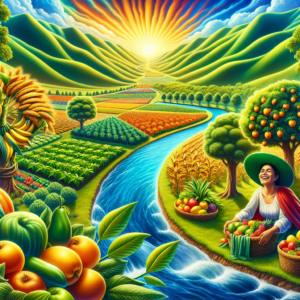
Before time itself, there was God. The Creator of all things, God’s handiwork is evident in the beauty and complexity of the universe. Every sunrise, every star-studded night sky, and every whisper of the wind sings of His creative power. Psalm 19:1 declares, "The heavens declare the glory of God; the skies proclaim the work of his hands." Let us marvel at creation today as a reflection of God’s infinite ingenuity and majesty.
God, the Sustainer
Consider the gentle rhythm of the seasons, the steadfast cycle that governs life and growth. God is not only the Creator but also the Sustainer of all life. Colossians 1:17 reminds us, "He is before all things, and in him all things hold together." Every heartbeat and every breath speak of a God who cares for us intimately, sustaining us with His love and grace.
God, the Redeemer
One of the most beautiful truths about God is His nature as Redeemer. John 3:16 proclaims the depth of God’s love: "For God so loved the world that he gave his one and only Son, that whoever believes in him shall not perish but have eternal life." Through Jesus Christ, we witness the ultimate act of divine love and redemption. God’s nature is inherently one of love and mercy, reaching out to us to restore, heal, and renew.
God, the Shepherd
Psalm 23 paints a picture of God as our Shepherd. "The Lord is my shepherd, I lack nothing." How comforting to know that we are guided and protected by One who knows us deeply and loves us unconditionally. In life’s trials and triumphs, God walks beside us, leading us along paths of righteousness for His name’s sake.
God, the Everlasting
"Jesus Christ is the same yesterday and today and forever." — Hebrews 13:8.
In an ever-changing world, God remains a constant, unmoving anchor. His nature is everlasting, providing us with stability and hope. Whether we face storms or tranquil seas, God’s presence is unchanging, steadfast, and sure.
As we reflect on these aspects of God’s nature—Creator, Sustainer, Redeemer, Shepherd, and Everlasting—let us open our hearts to His wondrous love and wisdom. Let each day bring a deeper understanding of the One who is with us always, whose nature is pure goodness and light.
Embrace His presence today, and let it guide you to new heights of joy and peace. Remember, you are cherished beyond measure by a God whose nature is eternally gracious and kind.
Stay blessed and inspired!
With love and faith,
[Your Name] ✨
If you want to want to know more about this topic, check out BGodInspired.com or check out specific products/content we’ve created to answer the question at BGodInspired Solutions
Q&A about Nature of God
Q: What is the nature of God in monotheistic religions?
A: In monotheistic religions, God is often seen as an all-powerful, all-knowing, and omnipresent being who is the creator and sustainer of the universe. God is typically described as transcendent, existing outside of time and space, yet also immanent and involved in the world. Attributes such as love, justice, and mercy are commonly associated with God.
Q: How is God depicted in polytheistic religions?
A: In polytheistic religions, there are multiple gods and goddesses, each associated with different aspects of life and nature. These deities often have specific domains, such as the sea, sky, or fertility, and they exhibit both human-like and superhuman traits. The relationships and interactions between these deities can be complex and are often depicted in myths and stories.
Q: What is the concept of God in pantheism?
A: Pantheism identifies God with the universe itself. God is seen as identical to the cosmos and everything within it. This belief emphasizes the interconnectedness and unity of all things, suggesting that the divine is present in the entire natural world and that nothing exists outside of God.
Q: How do deists view the nature of God?
A: Deism posits that God created the universe but does not interfere with it or govern its functioning on a personal level. Deists believe in a rational creator who established natural laws and then allows the universe to operate according to these rules without further divine intervention.
Q: What role does the concept of God play in Eastern religions like Buddhism?
A: In Buddhism, the concept of God as a creator or personal deity is generally not central. Instead, Buddhism focuses on personal enlightenment and understanding the nature of reality through the Four Noble Truths and the Eightfold Path. While some Buddhist traditions incorporate deities, they are not seen as omnipotent creators but rather as beings that inhabit various realms.
Q: How does the concept of God influence morality and ethics?
A: In many religious traditions, God serves as the ultimate source of morality and ethical guidance. Believers often look to divine commandments or teachings as a framework for distinguishing right from wrong. The belief in divine justice and accountability after death can also motivate ethical behavior and moral decision-making.