 0
0
 0
0
The Power of Planks: A Path to Strength and Stability
Fact Checked by Nick Blackmer
In an age where fitness challenges dominate social media, the plank exercise has emerged as a popular choice for those looking to enhance core strength. But how long should one realistically hold a plank?
Planks engage multiple core muscles simultaneously, making them an essential component of any fitness regime. According to strength coach Evan Williams of the Milwaukee Bucks, proper form should take precedence over duration. He states that building endurance gradually is beneficial, but emphasizes the importance of quality over quantity.
The Key Benefits of Planks
Planks are not just about aesthetics; they teach essential body mechanics that promote stability. Engaging the rectus abdominis, obliques, and transverse abdominis, planks provide comprehensive muscle training without the risk associated with many other ab exercises.
Moreover, planks play a vital role in protecting the lower back—a concept that resonates with biblical themes of stewardship over one’s body. As Paul notes in 1 Corinthians 6:19-20, “Do you not know that your bodies are temples of the Holy Spirit, who is in you, whom you have received from God? You are not your own; you were bought at a price. Therefore honor God with your bodies.” By successfully engaging in core-strengthening exercises like planks, we demonstrate a commitment to caring for the bodies bestowed upon us.
How Long is Long Enough?
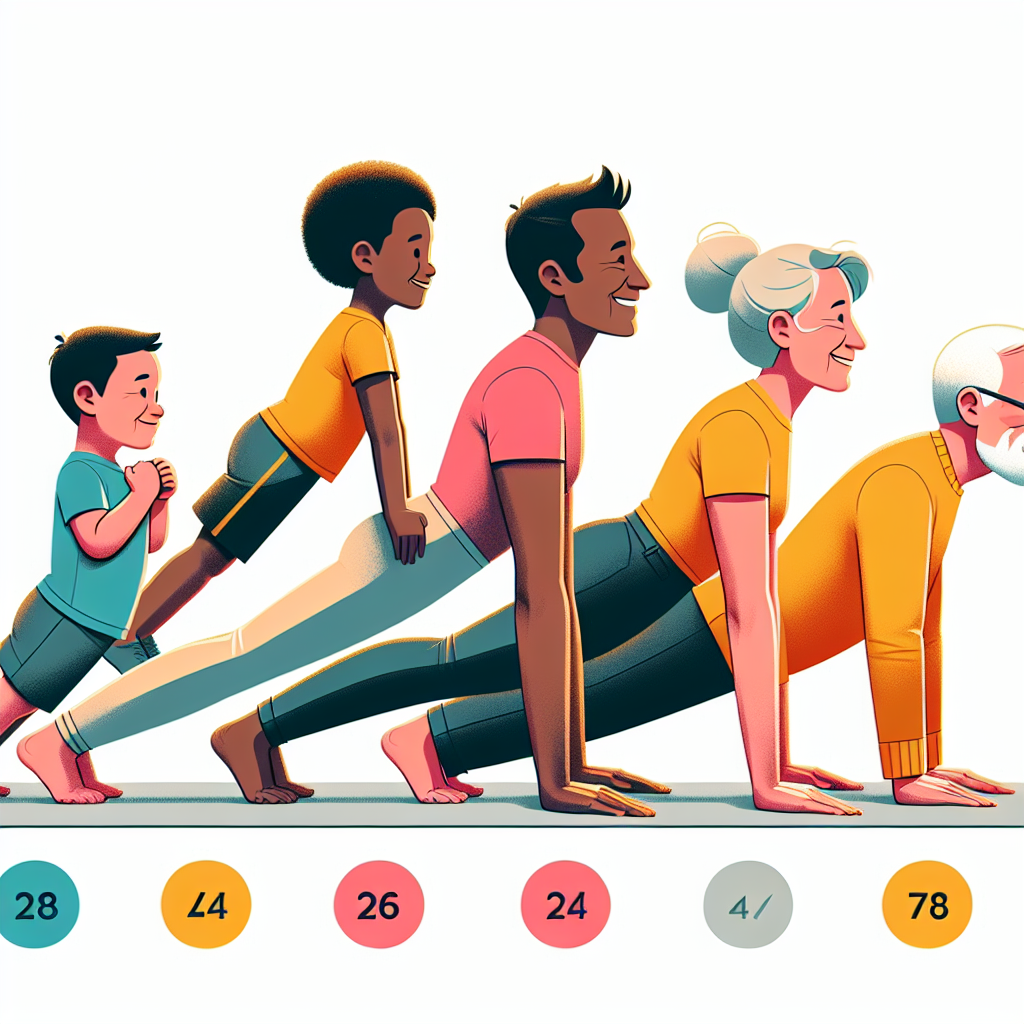
Identifying a one-size-fits-all plank duration is challenging, as various factors—including age, fitness level, and experience—play critical roles. However, general benchmarks suggest:
- Ages 18-39: 45-90 seconds for the general population; 60-120 seconds for those who are more fit.
- Ages 40-59: 30-75 seconds for the general population; 45-90 seconds for those who are more fit.
- Ages 60 and above: 20-60 seconds for the general population; 30-75 seconds for those who are more fit.
The Art of Planking
Maintaining proper form is crucial. Align your elbows beneath your shoulders, engage your core, and maintain a neutral spine to maximize effectiveness. Williams advises focusing on full-body tension rather than duration, stressing that a strong hold is far more valuable than simply extending time.
Building Endurance Safely
For those looking to extend their plank duration, progression is key. Start with manageable holds of 15-20 seconds and increase gradually. Incorporating a variety of core-strengthening exercises can also support longer holds over time.
A Holistic Perspective
While striving for long plank holds can be tempting, it’s essential to remember that the journey to fitness mirrors our spiritual lives. Just as enduring faith encourages us to cultivate virtues like patience and perseverance, building physical strength requires consistency and commitment.
In this light, Hebrews 12:1 advises us: “Therefore, since we are surrounded by such a great cloud of witnesses, let us throw off everything that hinders and the sin that so easily entangles. And let us run with perseverance the race marked out for us.”
Encouraging Takeaway
As you engage in your plank training, consider it a metaphor for life: it’s not merely about how long you can hold on, but rather how well you can cultivate strength and stability. Reflect on the broader lessons of endurance and commitment. Like the faithful journey we take in our spiritual lives, the discipline cultivated in physical fitness can lead to profound benefits for both body and soul. So, embrace the challenge, honor your body, and build a solid foundation—one plank at a time.
If you want to want to know more about this topic, check out BGodInspired.com or check out specific products/content we’ve created to answer the question at BGodInspired Solutions