 0
0
 0
0
Spiritual Devotional about Sacred Plants and Psychedelics
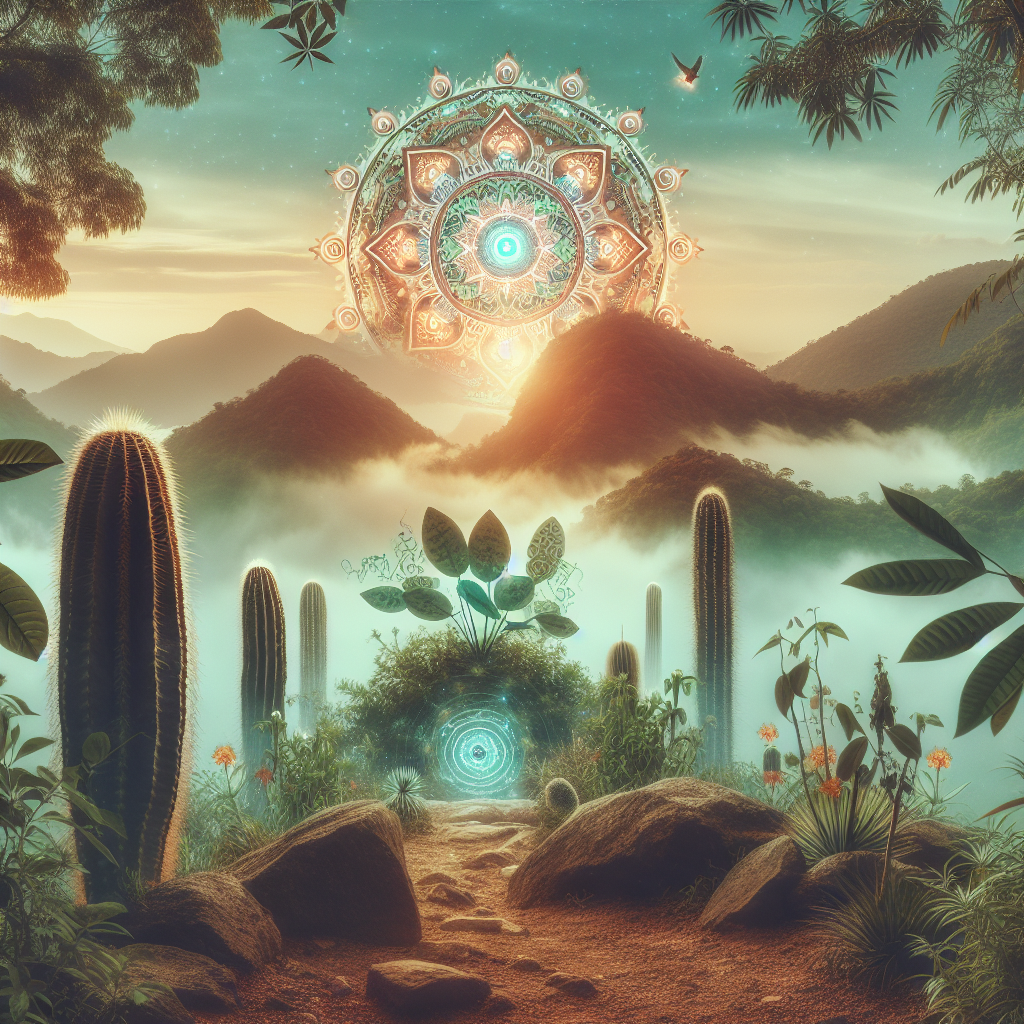
Sacred Plants and Psychedelics: A Journey into the Divine Garden
Hello, Beautiful Souls!
Today, let’s embark on a spiritual exploration of sacred plants and psychedelics, recognizing their profound connection to the divine and the journey within. The natural world is a magnificent tapestry woven with wonder, and sacred plants serve as threads weaving us into deeper understanding and unity with the universe.
Sacred Plants: Nature’s Divine Gift
Throughout history, sacred plants have held a special place in spiritual practices across cultures. From the ancient ayahuasca ceremonies of the Amazon to the revered peyote rituals of Native American traditions, these plants are seen as bridges to spiritual dimensions, offering insights and healing.
In Genesis 1:29, God declares, "I give you every seed-bearing plant on the face of the whole earth and every tree that has fruit with seed in it. They will be yours for food." This biblical principle reminds us of the divine provision nature offers. Sacred plants are part of this gift—meant to nourish not just our bodies but also our spirits.
Psychedelics as Tools for Enlightenment
Psychedelics, when approached with reverence and intention, can be powerful tools for spiritual exploration. They encourage us to transcend the material world and glimpse the sacred mysteries. This aligns with the biblical invitation to "be transformed by the renewing of your mind" (Romans 12:2). When used mindfully, psychedelics can realign our thoughts, open our hearts, and rejuvenate our spirits.
Embracing Awe and Connection
Encountering the divine through sacred plants and psychedelics often results in overwhelming feelings of awe and interconnectedness. These experiences echo the psalmist’s declaration, "The earth is the Lord’s, and everything in it" (Psalm 24:1). We are reminded of our oneness with all creation, a humbling yet deeply empowering realization.
Approaching with Intention
As with any spiritual practice, it’s vital to approach sacred plants and psychedelics with clear intention and respect. They are not mere entertainment but gateways to profound insights and healing. Setting positive intentions, seeking guidance from knowledgeable mentors, and creating a safe, sacred space can greatly enhance the experience.
Encouragement and Inspiration
If you feel called to explore these divine gifts, know that you’re participating in a rich tradition of seeking wisdom and connection. Allow yourself to be guided by love and light, trusting that your journey will unfold in beautiful and transformative ways.
May your path be illuminated with joy, and may you find the sacred in every step. Embrace this divine dance, knowing you are profoundly loved and richly blessed.
Stay blessed, dear friends!
If you want to want to know more about this topic, check out BGodInspired.com or check out specific products/content we’ve created to answer the question at BGodInspired Solutions
Q&A about Sacred Plants and Psychedelics
Q: What are sacred plants?
A: Sacred plants are botanical species that are revered and utilized in spiritual, religious, or healing practices by various cultures around the world. Examples include ayahuasca, peyote, and psilocybin mushrooms.
Q: What are psychedelics, and how do they relate to sacred plants?
A: Psychedelics are substances that alter perception, mood, and cognitive processes. Many psychedelics are derived from sacred plants, such as mescaline from peyote or DMT from ayahuasca. They have been used by indigenous cultures for spiritual and healing purposes.
Q: How is ayahuasca traditionally used?
A: Ayahuasca is a brew made from the Banisteriopsis caapi vine and other plants, traditionally used by indigenous Amazonian tribes in ceremonial rituals for spiritual insights and healing.
Q: What is the cultural significance of peyote?
A: Peyote is a small cactus containing mescaline, used by Native American tribes in religious ceremonies. It’s significant for its role in spiritual practices and is legally protected for use in some Native American Church rituals.
Q: How do modern scientific studies view psychedelics?
A: Recent scientific studies suggest psychedelics like psilocybin and LSD may have therapeutic potential for various mental health conditions, including depression, PTSD, and anxiety, when used in controlled settings.
Q: What are the legal considerations surrounding sacred plants and psychedelics?
A: The legal status varies widely. In some regions, certain sacred plants are protected for religious use, while others may be banned. There’s growing advocacy for decriminalization and regulated therapeutic use.
Q: Are there risks associated with using psychedelics?
A: Yes, there are potential risks including psychological distress, anxiety, and the possibility of triggering latent mental health conditions. It is crucial to approach their use with caution and ideally under supervision.
Q: What role do shamans play in the use of sacred plants?
A: Shamans are spiritual leaders and healers who guide participants through ceremonial use of sacred plants. They help create a safe setting and provide guidance to navigate the psycho-spiritual experiences.
Q: Can sacred plants facilitate spiritual experiences?
A: Many users report profound spiritual and mystical experiences during sacred plant ceremonies, including feelings of unity, emotional healing, and deeper understanding of life and existence.
Q: How are sacred plants integrated into modern wellness practices?
A: Some individuals and wellness practitioners incorporate sacred plants into modern practices for personal growth, insight, and healing, often emphasizing mindfulness and intention within a ceremonial context.