 0
0
 0
0
Majority of Americans Turn to Online Searches for Medical Symptoms, Experts Weigh In
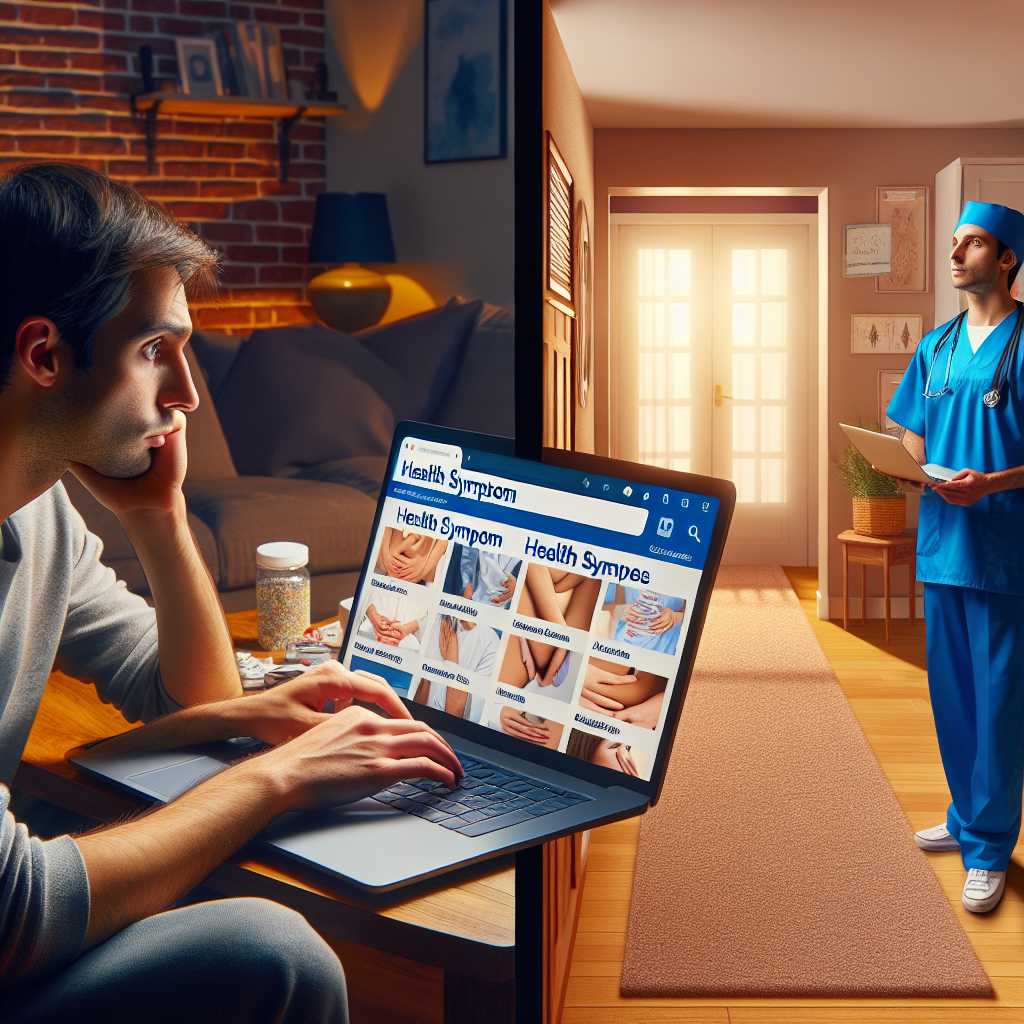
In a striking revelation, recent surveys indicate that approximately 80% of Americans have turned to internet search engines at least once to decipher unexplained symptoms when feeling unwell. This trend underscores a significant shift in how individuals seek medical advice, often opting for a search engine first rather than consulting a healthcare provider.
Amanda Joy, a physician assistant and associate medical director for MedStar Health Urgent Care in the D.C. area, emphasizes that nearly one in three adults will start their quest for answers online. However, she cautions that this digital path may lead to misleading information. “Most of the time when you Google something, you unfortunately do get some biased information,” Joy explains. “You may be presented with sponsored content rather than evidence-backed, peer-reviewed data."
Interestingly, the rise of artificial intelligence (AI) chatbots like ChatGPT is offering a more nuanced alternative for many individuals seeking medical advice online. “AI can provide insights that might prompt someone to seek immediate care for serious conditions, such as signs indicative of a stroke or heart attack,” Joy points out. This application of technology highlights not only a shift in information access but also the necessity for discernment when evaluating health-related queries.
So when should individuals put down their smartphones and head straight to the emergency room? Joy advises immediate medical attention for symptoms such as chest pain, stroke-like signs (like facial drooping), severe allergic reactions, significant bleeding, major trauma, or prolonged high fever in infants.
Yet, not every ailment requires a trip to the emergency department. “Urgent care is better suited for conditions like fractures, asthma flare-ups, urinary tract infections, and sinus infections,” Joy notes, highlighting that many urgent care centers are equipped to conduct tests for COVID-19, flu, and RSV.
This intersection of technology and health echoes a broader biblical principle of seeking wisdom and guidance, as reflected in Proverbs 4:7: “Wisdom is the principal thing; therefore get wisdom: and with all thy getting get understanding.” Just as we turn to various resources for guidance, it’s essential to seek wisdom—and this includes both medical advice and spiritual insights.
As we navigate the complexities of health information in today’s digital age, the call remains: look beyond the first result, seek out trusted sources, and don’t hesitate to turn to knowledgeable professionals and support systems. In our pursuit of answers, may we also remember to pause, reflect, and connect with the deeper truths that guide our lives.
As you consider your health and how you seek advice, ask yourself: Are there areas in your life where you might benefit from seeking wisdom, both online and offline? Reflect on the importance of discernment and encourage those around you to prioritize their well-being, remembering that seeking help—whether from others or from above—is a sign of strength, not weakness.
If you want to want to know more about this topic, check out BGodInspired.com or check out specific products/content we’ve created to answer the question at BGodInspired Solutions