 0
0
 0
0
Escalating Tensions in the Middle East: A Call for Peace Amidst Chaos
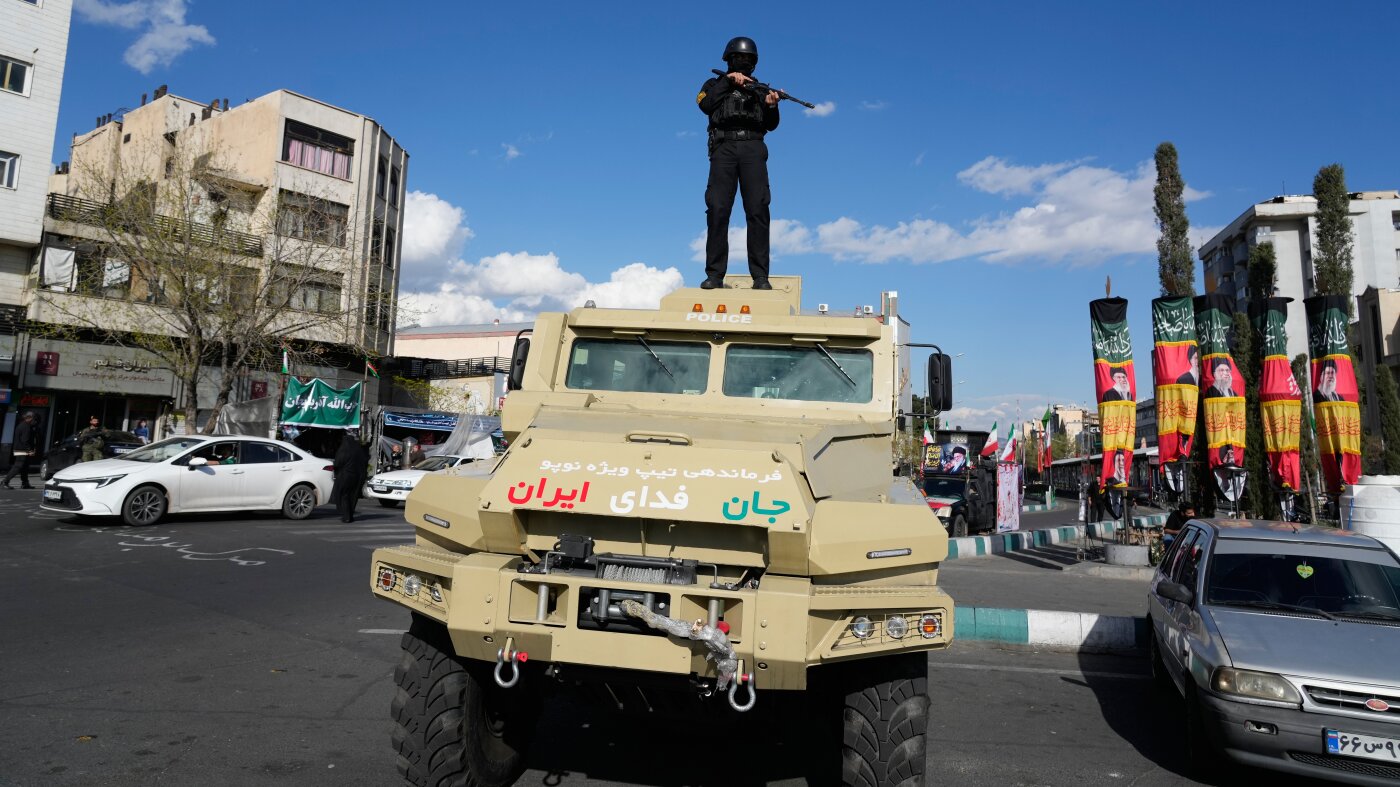
As the conflict in the Middle East intensifies, recent reports confirm over a dozen U.S. service members wounded and two E-3 Sentry aircraft damaged in an Iranian strike on a Saudi air base. The repercussions of this ongoing war underscore the urgent need for dialogue and understanding—a sentiment echoed throughout history and scripture.
President Trump has asserted that Iran is seeking a deal, even as tensions rise. Military provocations, such as the destruction of a desalination plant in Kuwait and threats to key infrastructure, exacerbate an already volatile situation. Amidst these events, Trump’s warning about targeting Iranian electric plants highlights the precarious balance between power and peace.
In times of crisis, one can draw inspiration from biblical teachings. Jesus reminded us in Matthew 5:9, “Blessed are the peacemakers, for they will be called children of God.” This affirms the intrinsic value of pursuing peace over conflict, a principle that seems direly needed in the current climate.
In a world where violence often appears to overshadow dialogue, leaders and communities alike must re-evaluate their roles. As Israel continues its military operations, striking targets believed to be involved in armaments and weaponry production, the toll—be it civilian or military—grows heavier. Just as Iran emphasizes its retaliation against what it sees as threats to its sovereignty, nations must ask themselves how they can foster constructive communication rather than escalation.
Furthermore, this conflict’s ripple effect reaches beyond borders, impacting countries far and wide. Oil prices have surged sharply in response, with the global economy feeling the strain. The ramifications of such conflicts remind us of the interconnectedness of nations—an interconnectedness that calls for empathy and strategic compassion.
A recent incident in which Israeli police restricted the Latin Patriarch’s access to sacred sites on Palm Sunday serves as a poignant reminder of the impact of conflict on faith communities. Cardinal Pierbattista Pizzaballa’s thwarted attempt to enter one of Christianity’s holiest places demonstrates how war can erode not only lives and infrastructure but also the sanctity of spiritual practices across cultures and faiths.
As the situation continues to unfold, it is imperative for leaders to lean into the wisdom found in humility and compassion. As articulated in James 3:18, “Peacemakers who sow in peace reap a harvest of righteousness.” This notion invites reflection on our personal responsibilities; we are all called to contribute to a legacy of peace.
Encouraging Takeaway:
In these challenging times, one can reflect on how our actions—whether at a community level or through our personal choices—can either fuel discord or foster understanding. Let’s strive to be instruments of peace in our circles, drawing from the deep well of empathy and compassion. By bridging divides and understanding different perspectives, we honor the values taught by Jesus and can contribute positively to a world that desperately needs reconciliation. As we pray for peace in the Middle East, may we also commit to being peacemakers in our own lives.
If you want to want to know more about this topic, check out BGodInspired.com or check out specific products/content we’ve created to answer the question at BGodInspired Solutions