 0
0
 0
0
Navigating the Rigors of the 75 Hard Challenge: A Balancing Act of Mind and Body
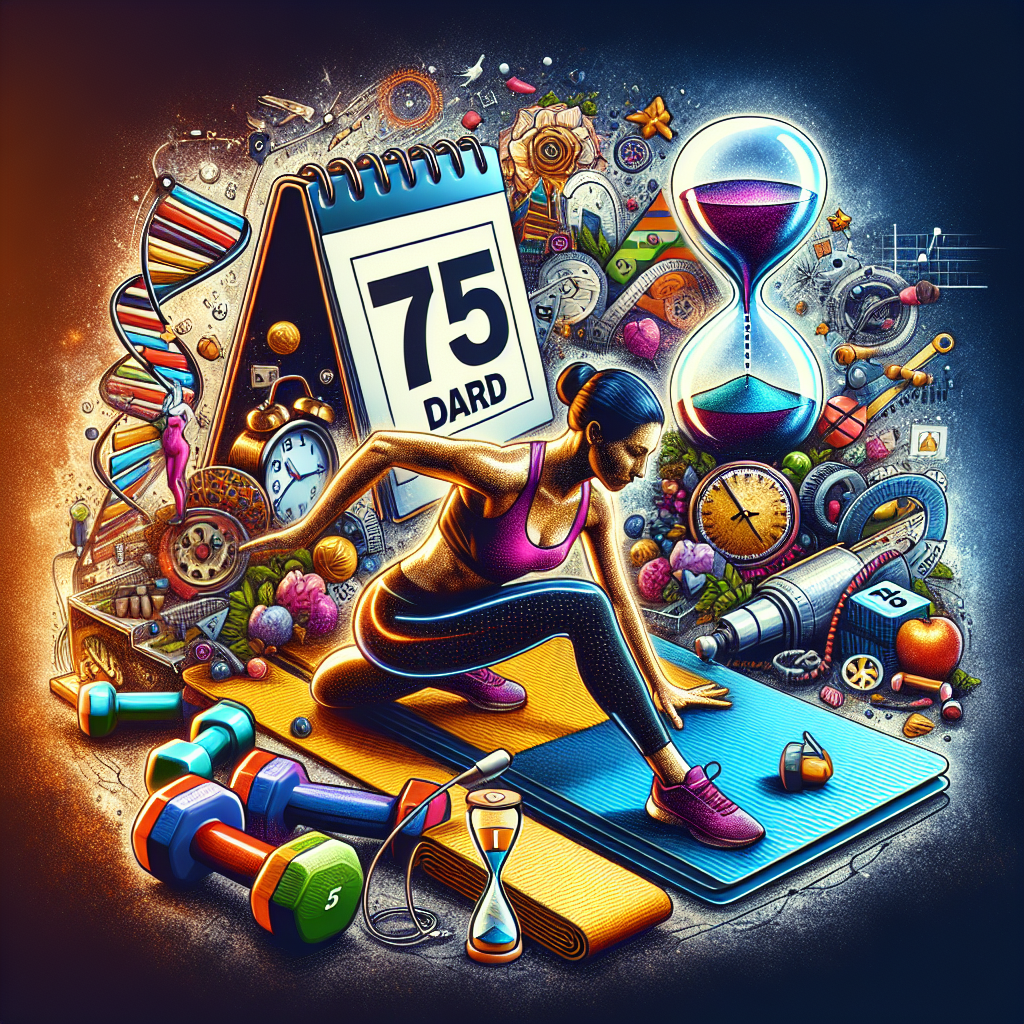
Five requirements. Seventy-five days. No breaks and no room for mistakes. These are the parameters of the 75 Hard challenge, created by entrepreneur Andy Frisella, touted as a transformative mental toughness program. Participants must adhere to a structured diet, consume a gallon of water daily, read ten pages of nonfiction, take a progress photo, and complete two 45-minute workouts—one of which must be outdoors—every day for 75 consecutive days.
For those like Chicago runner Sarah Lyons, the challenge can quickly become overwhelming. While the outlined tasks seem straightforward, their cumulative demands can take over daily life. Experts caution that this rigid, all-or-nothing approach often undermines the positive, long-term behavioral changes it claims to foster.
The challenge does promote healthy habits such as hydration, movement, and reading; yet many warn that its strict nature might actually lead to stress rather than growth. “Sustainable fitness isn’t about punishment or extremes,” notes CNN fitness contributor Dana Santas. Instead, it’s about embedding supportive habits within daily life. As Christians, this echoes the biblical principle of moderation and balance found in Proverbs 25:16: “If you find honey, eat just enough—too much of it, and you will vomit.”
One of the program’s notable features is its inflexibility: miss a single task, and participants must restart the entire challenge, irrespective of how far along they are. This can create a sense of failure rather than the intended discipline. As professionals in health emphasize, true progress often lies not in rigid adherence but in the ability to adapt in the face of life’s inevitable messiness.
The prescribed tasks, particularly the daily water intake and exercise routines, raise concerns about practicality and well-being. Experts advocate for a more customized approach to fitness and health, allowing for individual differences in lifestyle, body type, and circumstances. "Rigid daily targets can disrupt not just your routine but also your overall health," says Bethany Doerfler, a senior clinical dietitian.
Lyons herself faced these hurdles during her attempts, noting that in pursuit of perfection, she often missed out on the joys of social dining and in-the-moment decision-making. This stress starkly contrasts with the biblical teaching of enjoying God’s provisions and nurturing relationships without the burden of strict rules.
The experiences from the 75 Hard challenge highlight the necessity of balance—between discipline and grace, structure and flexibility. Recognizing that we are all human, and that life can disrupt even the best-laid plans, is crucial. As we strive for improvement, it’s essential to remember that it’s not solely about the destination, but the journey itself.
In conclusion, while the 75 Hard challenge promotes several admirable goals, it’s pivotal to carry them out through sustainable and adaptable practices. Consider how your fitness journey connects with the teachings of moderation and resilience found in Scripture. Reflect on Philippians 4:13, “I can do all things through Christ who strengthens me,” reminding us that our achievements are not solitary. They are supported by faith that empowers endurance and balance in all aspects of life.
So as you embark on your personal challenges—be they physical, mental, or spiritual—invite flexibility into the process. Embrace growth without the pressure of perfection, and nourish both body and soul with the grace that truly transforms.
If you want to want to know more about this topic, check out BGodInspired.com or check out specific products/content we’ve created to answer the question at BGodInspired Solutions