 0
0
 0
0
U.S. Considers Easing Oil Sanctions on Iran Amid Energy Crisis
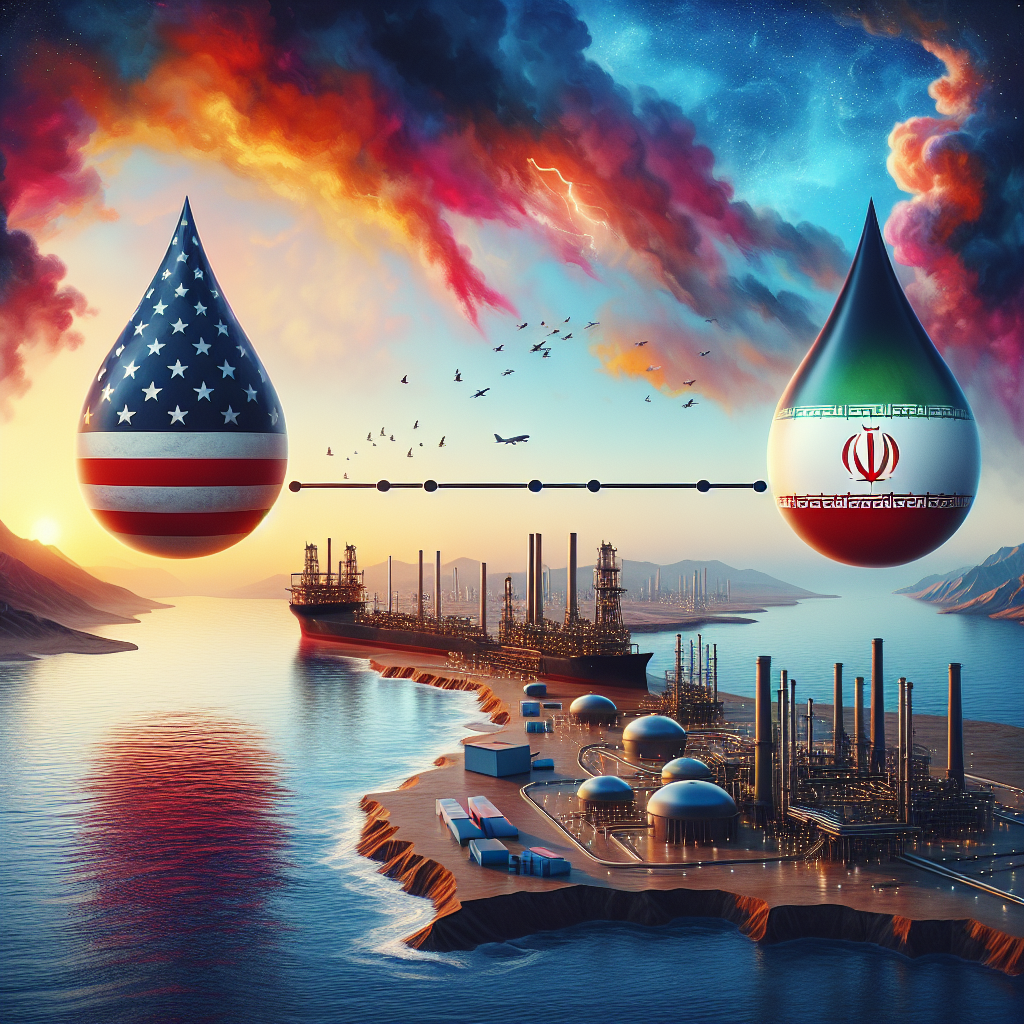
In a critical response to soaring oil and gas prices, the U.S. government is contemplating lifting sanctions on Iranian oil, aiming to stabilize the market and alleviate economic pressures on consumers. As global energy prices hit historical highs, senior officials are now weighing the implications of re-entering the Iranian oil market, a move that could significantly alter the dynamics of both U.S. foreign policy and global oil supply.
Recent reports from The Washington Post indicate that discussions are intensifying within the Biden administration, focusing on the potential for renewed oil exports from Iran. This consideration arises as key Gulf energy sites are being threatened, raising concerns over supply disruptions that could further escalate prices. In parallel, former President Donald Trump has publicly proclaimed his commitment to take the necessary steps to ease the crisis, asserting that energy stability is imperative for the nation.
While the administration engages in deliberative discussions, Axios highlights that the urgency of the market conditions may compel a decision to lift sanctions sooner rather than later. The strategic pivot reflects not just economic calculations but also a recognition of the importance of stable energy resources in ensuring societal welfare—a concept echoed in teachings that emphasize the care for one another found in scripture.
Fox Business reports that officials like Bessent have ruled out government intervention in the oil futures market. Instead, the administration seeks to balance the complex interplay between international relations, economic stability, and energy dependence.
As the discussions unfold, this scenario sheds light on a significant biblical principle: the importance of stewardship. In Matthew 25:14-30, Jesus shares a parable that emphasizes responsible management of resources. Just as we are called to manage the gifts we’ve been given wisely, dealing with global energy resources requires discernment, compassion, and a willingness to act in the best interest of the broader community.
This scenario poses crucial questions: How do we navigate the balance between national interests and global responsibility? In these times of uncertainty, we might be reminded to reflect on our interconnectedness.
Takeaway: As discussions about oil sanctions continue, let us cultivate a spirit of generosity and stewardship in our daily lives, acknowledging the broader implications of our choices. In moments of crisis, we can choose to foster empathy and understanding, striving to act wisely for our communities and the world—a hallmark of our shared humanity.
If you want to want to know more about this topic, check out BGodInspired.com or check out specific products/content we’ve created to answer the question at BGodInspired Solutions