 0
0
 0
0
Spiritual Devotional about Spiritual Healing
Embracing the Light: A Journey into Spiritual Healing
Hello, dear friends! Today, we embark on a wondrous journey of spiritual healing, a voyage that invites us to embrace divine peace and wholeness. In a world bustling with noise and chaos, spiritual healing offers a tranquil retreat where we can reconnect with our innermost selves and the divine presence that lovingly guides us.
What is Spiritual Healing?
At its heart, spiritual healing is the gentle art of aligning our spirit with the divine energy that permeates the universe. It is an invitation to bask in God’s love, finding restoration in His unending grace. Spiritual healing isn’t about escaping reality; instead, it’s about transforming our reality through faith and connection.
Biblical Principles of Healing
The Bible speaks profoundly about healing, illustrating it not only as a physical remedy but as a holistic renewal of the body, mind, and spirit. One of the most poignant examples is found in Psalm 147:3: “He heals the brokenhearted and binds up their wounds.” These words assure us that God’s healing touch extends beyond physical ailments to comfort and mend our innermost scars.
Another beautiful illustration is in Matthew 11:28-30, where Jesus invites, “Come to me, all you who are weary and burdened, and I will give you rest.” Here, rest signifies a profound restoration—a spiritual healing that rejuvenates our weary souls.
The Path to Spiritual Healing
-
Faith and Trust: The first step towards healing is planting our trust in the divine. Like a seed watered by faith, this trust grows, forming the foundation upon which healing flourishes.
-
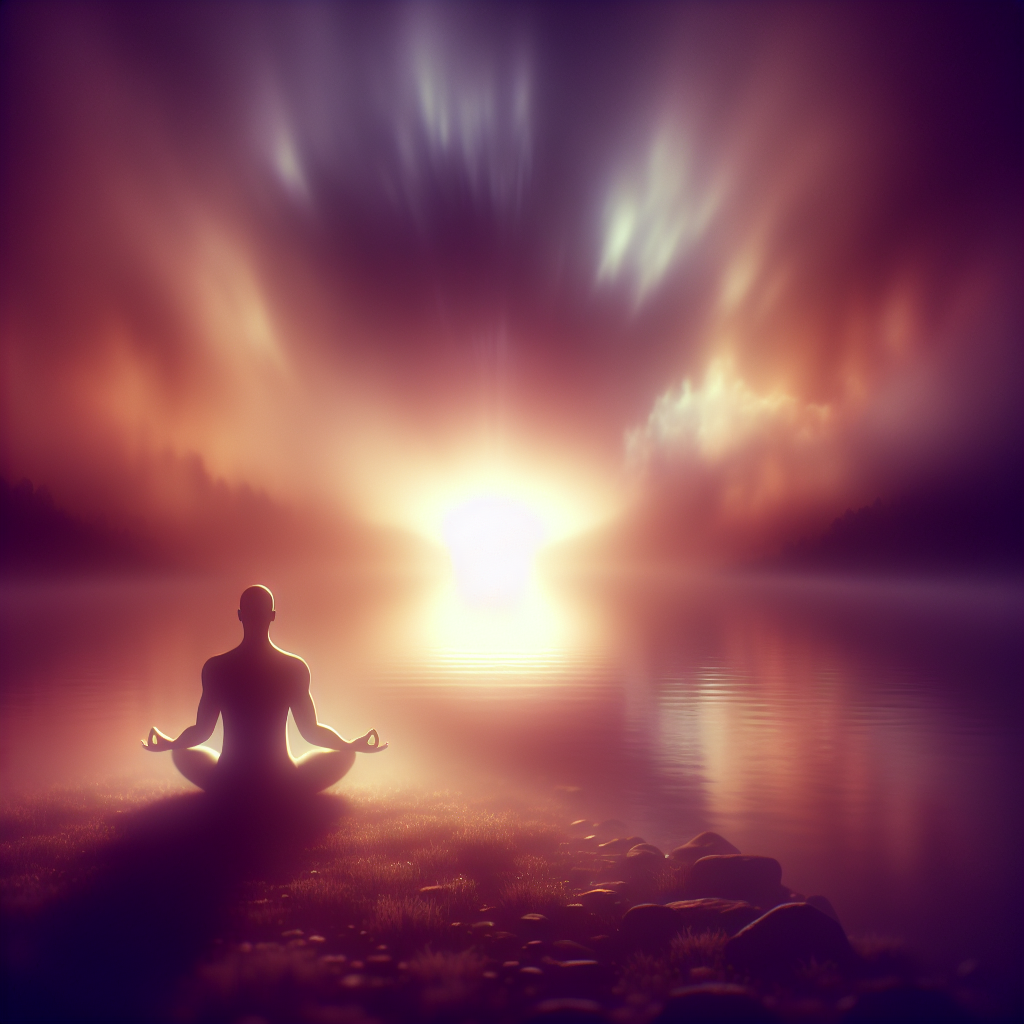
Prayer and Meditation: Through prayer, we communicate with the Divine and create space to welcome His healing power. Meditation allows us to listen, to open our hearts to the gentle whispers of peace and clarity.
-
Forgiveness and Release: Holding onto pain and grudges clutters our spirit. By choosing forgiveness, we release these burdens, allowing healing to seep into our being like a soothing balm.
-
Community and Support: We are not alone on this journey. Embrace the power of fellowship. Sharing, uplifting, and supporting one another enhances our healing and deepens our spiritual connections.
-
Continual Growth: Spiritual healing isn’t a one-time event but a lifelong journey. Embrace each moment as an opportunity to grow and evolve spiritually, guided by God’s abundant love.
Inspiration for the Journey
Let’s be inspired by the story of the woman with the issue of blood in Mark 5:25-34. Despite years of suffering, her faith led her to touch the hem of Jesus’ garment, and she was healed. Her story teaches us the transformative power of faith and courage.
Conclusion
Dearest friends, as we journey through life, let us embrace spiritual healing with open hearts. Allow the gentle grace of God to wash over you—invigorating, restoring, and empowering. Remember, every step forward is a testament to the incredible power of divine love.
May your path be radiant with His light and filled with the joy of spiritual wellness. Together, let us inspire, uplift, and heal in His glorious name.
Blessings and peace be with you always. 🌿✨
If you want to want to know more about this topic, check out BGodInspired.com or check out specific products/content we’ve created to answer the question at BGodInspired Solutions
Q&A about Spiritual Healing
Q: What is spiritual healing?
A: Spiritual healing is a practice that involves transferring healing energy to help individuals achieve balance, harmony, and well-being in their lives. It can involve various techniques, including energy work, meditation, prayer, or rituals, often focusing on the mind-body-spirit connection.
Q: How does spiritual healing differ from traditional medicine?
A: Traditional medicine focuses on diagnosing and treating physical ailments using science-based methods such as medication and surgery. Spiritual healing, on the other hand, emphasizes holistic well-being, addressing not only the physical but also the emotional and spiritual aspects of health, aiming for a holistic balance.
Q: What are some common forms of spiritual healing?
A: Common forms include Reiki, chakra healing, shamanic healing, energy healing, and prayer. Each involves different techniques, such as hand placement, meditation, or invoking spiritual or divine presence.
Q: Can anyone learn spiritual healing?
A: Yes, many spiritual healing practices can be learned by anyone interested, often through workshops, courses, or self-study. It usually requires an openness to spiritual concepts and practices.
Q: Is spiritual healing associated with a particular religion?
A: Spiritual healing is generally not confined to a specific religion. While it can be influenced by religious traditions, many forms are secular and focus on universal principles of energy and consciousness.
Q: How can spiritual healing benefit one’s life?
A: Spiritual healing can help reduce stress, promote relaxation, enhance emotional well-being, and provide clarity and insight into personal challenges. It can also foster a sense of connection with one’s higher self or spirituality.
Q: What should someone expect during a spiritual healing session?
A: During a typical session, a practitioner may guide the person through relaxation techniques, possibly place hands on or near the body to channel energy, and use guided imagery or affirmations. Sessions often last between 30 minutes to an hour.
Q: Are there any scientific studies on spiritual healing?
A: While scientific research on spiritual healing is limited, some studies suggest potential benefits in stress reduction and well-being. However, more research is needed to fully understand its mechanisms and efficacy.
Q: Can spiritual healing replace medical treatment?
A: Spiritual healing should not replace conventional medical treatment. It is often used as a complementary approach alongside traditional healthcare to support overall well-being.
Q: How can someone find a reputable spiritual healer?
A: To find a reputable healer, consider seeking recommendations, researching credentials and training, and checking reviews or testimonials. It’s important to feel comfortable and trust your intuition when choosing a healer.