 0
0
 0
0
Black Sesame: The New Health Craze or Just a Fad?
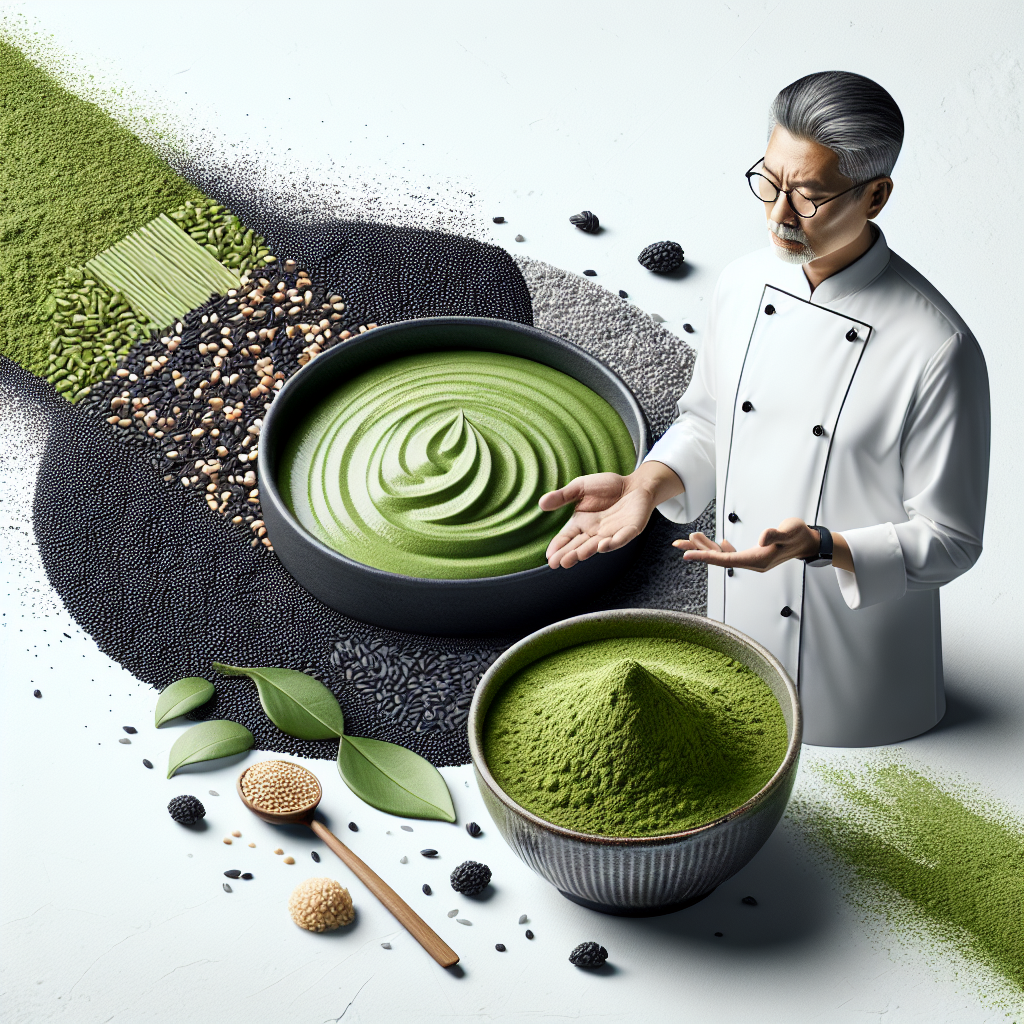
In a world increasingly captivated by health trends, black sesame seeds have surged into the spotlight, touted for their rich color and nutty flavor. As social media platforms brim with claims that these seeds offer superior health benefits over their white counterparts, questions linger: Is black sesame truly a superfood, or merely the latest fad reminiscent of the matcha phenomenon?
A Nutritious Powerhouse
Sesame seeds have long been celebrated in Asian cuisine, but the renewed focus on black sesame is noteworthy. Research indicates that black sesame packs a punch with higher levels of fat, protein, and carbohydrates compared to its white counterpart. It also boasts elevated mineral and vitamin content, making it a nutritious addition to our diets. However, it’s essential to note that most individuals consume these seeds in modest quantities, making it challenging to reap significant health benefits regularly.
Despite their nutritional bounty, sesame seeds also contain anti-nutrients, which can inhibit the absorption of vital minerals. For those with deficiencies, moderation is key. Consulting a dietitian on this matter can provide personalized guidance, echoing the wisdom found in Proverbs 11:14: “Where there is no guidance, a people falls; but in an abundance of counselors, there is safety.”
Health Claims Unveiled
Enthusiasts claim that black sesame can help regulate blood sugar, lower the risk of heart disease, and even reverse grey hair. However, while some studies link sesame consumption to reduced body mass index (BMI) and improved blood pressure, the evidence remains inconclusive. Most studies have low-quality ratings, stemming from variable methodologies and limited focus on black sesame specifically.
Interestingly, while antioxidants found in black sesame are heralded for their potential health benefits, it’s crucial to approach these claims with a discerning mindset. The Bible encourages us to seek wisdom and understanding, reminding us in Proverbs 18:15, “The heart of the prudent acquires knowledge, and the ear of the wise seeks knowledge.”
Cautions and Considerations
The rise of black sesame does come with cautionary notes. Approximately 1% of the global population suffers from sesame allergies, which are on the rise. As with any food, the potential for allergic reactions underscores the importance of mindfulness in our consumption choices.
A Spiritual Perspective
As we explore the nutritional aspects of black sesame, we are reminded of the biblical principle of stewardship over our bodies. In 1 Corinthians 6:19-20, we are called to honor God with our bodies, recognizing them as temples of the Holy Spirit. Each food we choose to consume can be seen as part of our responsibility to nurture our physical wellbeing.
An Invitation to Reflect
So, what should we take away from the buzz around black sesame? Whether you’re drawn to its taste or health claims, it serves as a poignant reminder to incorporate a variety of nourishing foods into our diets. However, true health goes beyond what we eat; it encompasses a holistic approach to physical, mental, and spiritual well-being.
Jesus teaches us to focus on what truly matters. In John 10:10, He says, “I came that they may have life and have it abundantly.” As you consider the role of foods like black sesame in your life, reflect on the broader spiritual lesson: strive for abundance in all aspects of life, ensuring your choices uplift your health and spirit.
In embracing the journey of wellbeing, remember to remain curious, informed, and balanced—much like the nourishing seeds we explore today.
If you want to want to know more about this topic, check out BGodInspired.com or check out specific products/content we’ve created to answer the question at BGodInspired Solutions