 0
0
 0
0
Spiritual Devotional about Spirituality and Science
Spirituality and Science: A Divine Harmony
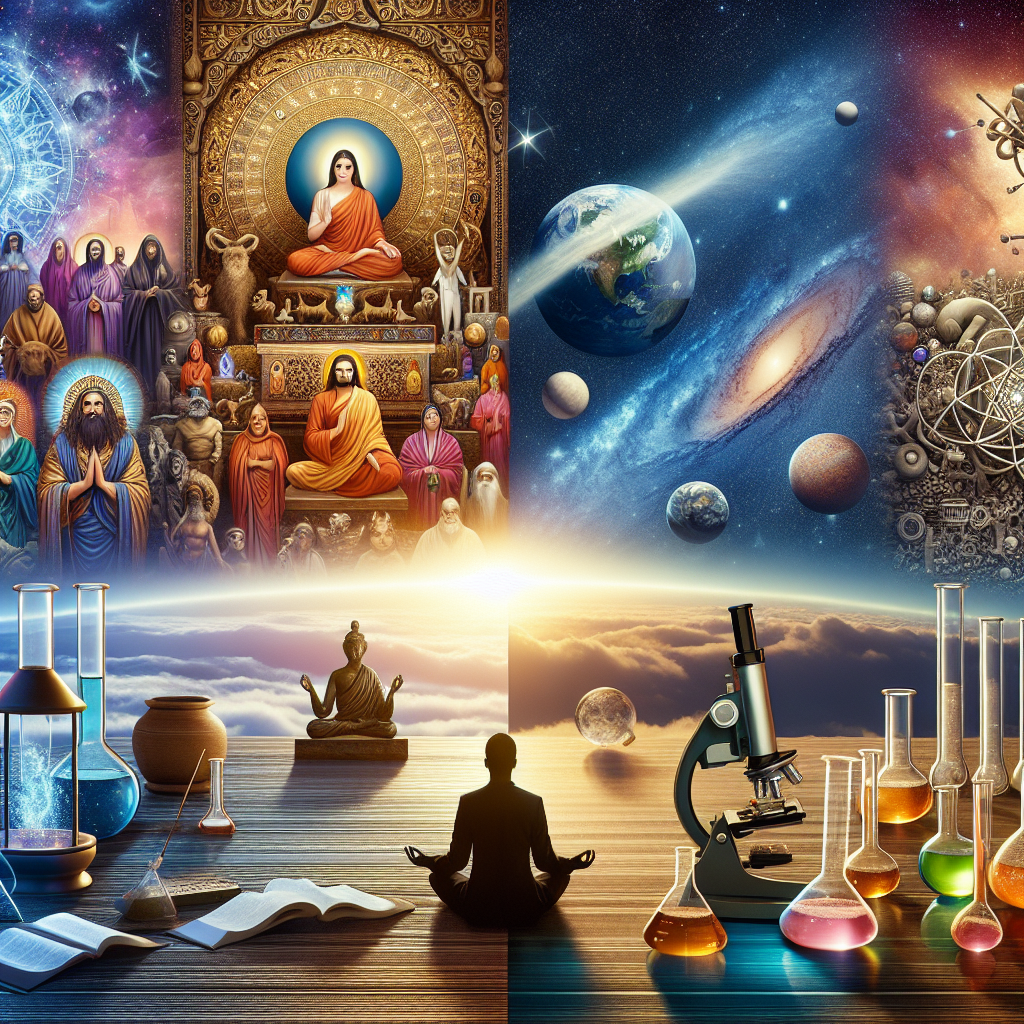
Hello, dear friends! Today, let’s embark on a journey through the intertwined paths of spirituality and science. At first glance, they might seem like two different roads, but in reality, they beautifully converge, illustrating the magnificence of our Creator’s design.
A Divine Symphony
In the vastness of the universe, science reveals intricate patterns and laws that govern our world—from the tiniest atoms to the grandeur of galaxies. This exploration of the natural world unveils the complexity and splendor of creation, reflecting the profound wisdom of God. Psalm 19:1 proclaims, “The heavens declare the glory of God; the skies proclaim the work of his hands.” Here, science is not separate from spirituality but a tool to admire and understand God’s handiwork.
Harmony, Not Conflict
Many perceive a conflict between science and faith, but in truth, both seek understanding. Science asks "how," while spirituality inquires "why." Together, they provide a fuller picture of our existence. Romans 1:20 reminds us, “For since the creation of the world God’s invisible qualities—his eternal power and divine nature—have been clearly seen, being understood from what has been made.” Through science, we perceive His power; through faith, we embrace His purpose.
The Miracle of Life
Consider the human body, marvelously designed with intricacies beyond our comprehension. Science explores these wonders, but spirituality adds depth and meaning. Psalm 139:14 declares, “I praise you because I am fearfully and wonderfully made; your works are wonderful, I know that full well.” With every heartbeat and breath, we are testimonies to God’s meticulous craftsmanship.
Inspiring Curiosity
Encouraging curiosity and continuous learning is part of our spiritual journey. The pursuit of knowledge is a celebration of God’s creation. Proverbs 4:7 advises, “The beginning of wisdom is this: Get wisdom. Though it cost all you have, get understanding.” Exploring science with an open heart enriches our faith and broadens our perspective.
Embracing Both Worlds
Let’s encourage one another to embrace science without fear and faith without doubt. When we integrate them, we grow spiritually and intellectually. Our world is a testament to divine creativity and scientific order, a tapestry woven with threads of grace and knowledge.
Conclusion: A Call to Wonder
As we go about our daily lives, let’s marvel at the stars above and the ground beneath, knowing they are the canvas of our Creator. Let science inspire wonder and faith inspire hope. Let’s walk with confidence, knowing that in every discovery, we are uncovering more about our amazing God.
Stay curious, stay faithful, and know you are part of this incredible design. May your heart be filled with wonder and your spirit with peace.
Blessings to you all! 🌟
If you want to want to know more about this topic, check out BGodInspired.com or check out specific products/content we’ve created to answer the question at BGodInspired Solutions
Q&A about Spirituality and Science
Q1: Can spirituality and science coexist harmoniously?
A1: Yes, spirituality and science can coexist harmoniously. Science seeks to understand the natural world through observation and experimentation, while spirituality often deals with personal experiences and the quest for meaning and purpose. Many people find that these two perspectives can complement each other, providing a more holistic understanding of existence.
Q2: How does science approach questions that are traditionally considered spiritual?
A2: Science approaches such questions by investigating phenomena that can be tested and measured. For instance, researchers might study the effects of meditation on the brain or explore the psychological benefits of belief systems. Although science may not address the metaphysical aspects directly, it can provide insights into how spiritual practices impact human health and well-being.
Q3: Can spiritual experiences be scientifically explained?
A3: Some aspects of spiritual experiences can be explored scientifically, such as the neurological and psychological changes that occur during meditation or prayer. However, the subjective nature of these experiences often means that science can describe the "how" but not necessarily the "why" behind the deeper personal meanings individuals ascribe to them.
Q4: Is there scientific evidence for phenomena like near-death experiences or consciousness beyond the brain?
A4: Near-death experiences and consciousness beyond the brain are areas of ongoing research. Some studies have documented common features of near-death experiences, such as feelings of peace or seeing a bright light, but explanations vary from neurological to spiritual. As for consciousness beyond the brain, it remains a debated topic with no conclusive scientific evidence as of yet.
Q5: How does science view concepts like energy fields or chakras often found in spirituality?
A5: Concepts like energy fields or chakras are typically studied in the context of complementary and alternative medicine. While traditional science may not fully support these ideas due to limited empirical evidence, studies in fields like psychosomatic medicine suggest that belief in such concepts can have real effects on an individual’s health and well-being.
Q6: Can scientific discoveries influence spiritual beliefs?
A6: Yes, scientific discoveries can influence spiritual beliefs. For example, our understanding of the universe and its origins through cosmology or the complexities of life through biology may inspire a sense of wonder and deeper contemplation about existence. Such insights can lead to a more informed and potentially enriched spiritual perspective.
Q7: How do spirituality and science contribute to human flourishing?
A7: Spirituality can offer a sense of purpose, belonging, and connection, which contributes to emotional and psychological well-being. Science improves our understanding and quality of life through technological and medical advancements. Together, they can offer a balanced approach to addressing both the material and existential aspects of human life.