 0
0
 0
0
Spiritual Devotional about Prayer
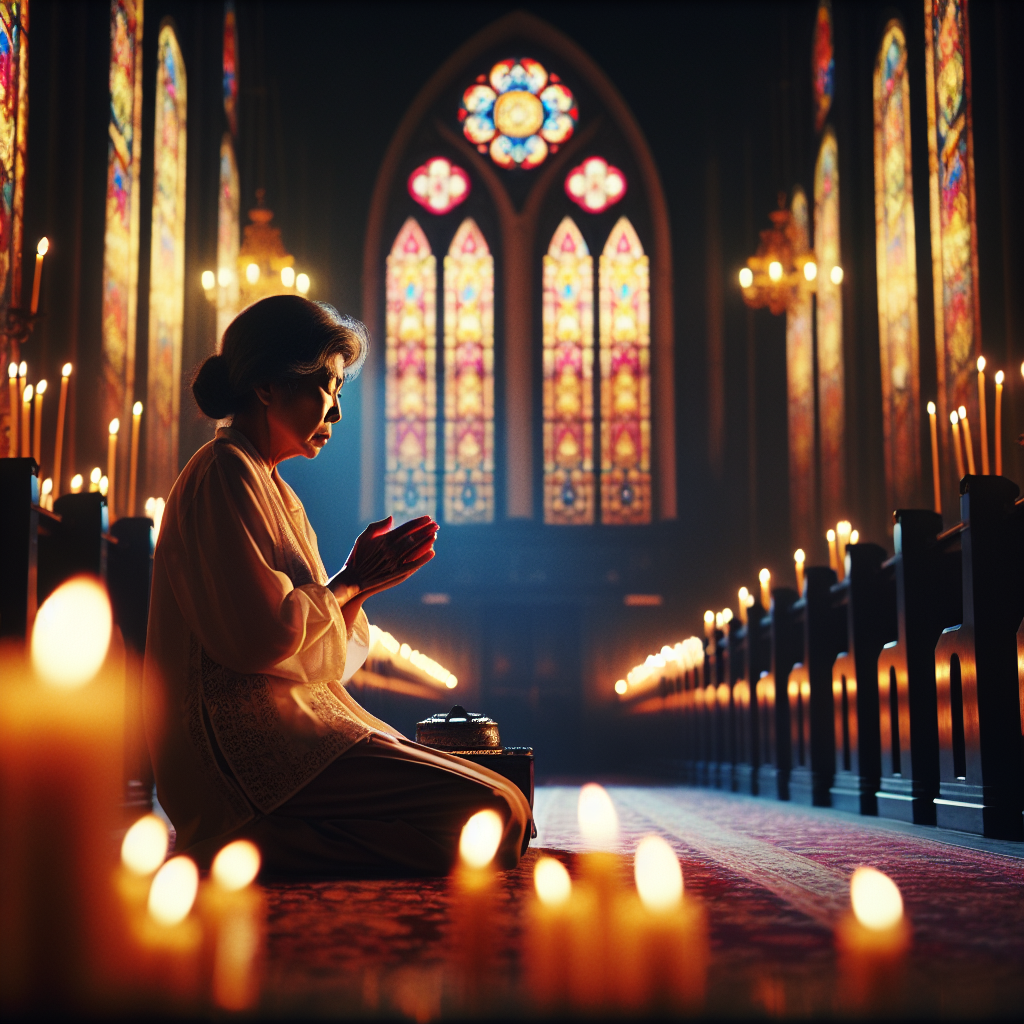
Embracing the Power of Prayer: A Journey to Divine Connection
Hello, dear friends in faith! Today, let’s embark on a beautiful journey into the heart of one of the most profound spiritual gifts we have: prayer.
Prayer is not just a religious duty—it’s a life-giving connection to the Divine. Imagine having a direct line to the Creator, where you can pour out your heart, seek guidance, and discover peace. How wondrous is that?
The Bible brims with examples of the transformative power of prayer. In Philippians 4:6-7, we’re encouraged, "Do not be anxious about anything, but in every situation, by prayer and petition, with thanksgiving, present your requests to God. And the peace of God, which transcends all understanding, will guard your hearts and
If you want to want to know more about this topic, check out BGodInspired.com or check out specific products/content we’ve created to answer the question at BGodInspired Solutions
Q&A about Prayer
Certainly! Here’s a Q&A based on the theme of prayer:
Q1: What is prayer?
A1: Prayer is a spiritual practice in which individuals communicate with a higher power, express gratitude, seek guidance, or ask for assistance. It is a fundamental aspect of many religions and personal spiritual practices.
Q2: Why do people pray?
A2: People pray for various reasons, including seeking comfort, expressing gratitude, asking for help or healing, finding peace, or seeking guidance in decision-making. It can also be a way to feel connected to a community or a higher power.
Q3: How do different religions approach prayer?
A3: Different religions have unique approaches to prayer. For example, in Christianity, prayer can be communal or personal and is often directed to God, Jesus Christ, or saints. In Islam, Muslims perform Salah, praying five times a day facing Mecca. In Hinduism, prayer can involve chanting mantras and making offerings to deities.
Q4: What are some common forms of prayer?
A4: Common forms include adoration (praising a deity), confession (acknowledging wrongs), thanksgiving (expressing gratitude), and supplication (asking for help or guidance). Meditation and silent contemplation are also forms of prayer in some traditions.
Q5: Can prayer have psychological benefits?
A5: Yes, studies suggest that prayer can have psychological benefits such as reducing stress, offering comfort in difficult times, and promoting a sense of connection and community. It can also enhance emotional well-being and provide a sense of purpose.
Q6: Is there a right way to pray?
A6: There is no single "right" way to pray. It varies widely depending on personal beliefs, cultural traditions, and religious practices. The most important aspect is the sincerity and intention behind the prayer.
Q7: Can non-religious people still engage in prayer?
A7: Yes, non-religious individuals may engage in forms of prayer or meditation to connect with their inner selves, find peace, or express intentions. This practice may focus more on mindfulness and personal reflection rather than a connection to a deity.
Q8: How can one develop a regular prayer practice?
A8: To develop a regular prayer practice, set aside a specific time and place each day for prayer or meditation. Begin with a few minutes and gradually increase the duration. Incorporate elements that are personally meaningful, and consider using a journal to reflect on your thoughts and experiences.
Feel free to expand or modify these questions as needed!