 0
0
 0
0
New Research Reveals Secret to Eating More While Consuming Fewer Calories: The Power of Whole Foods
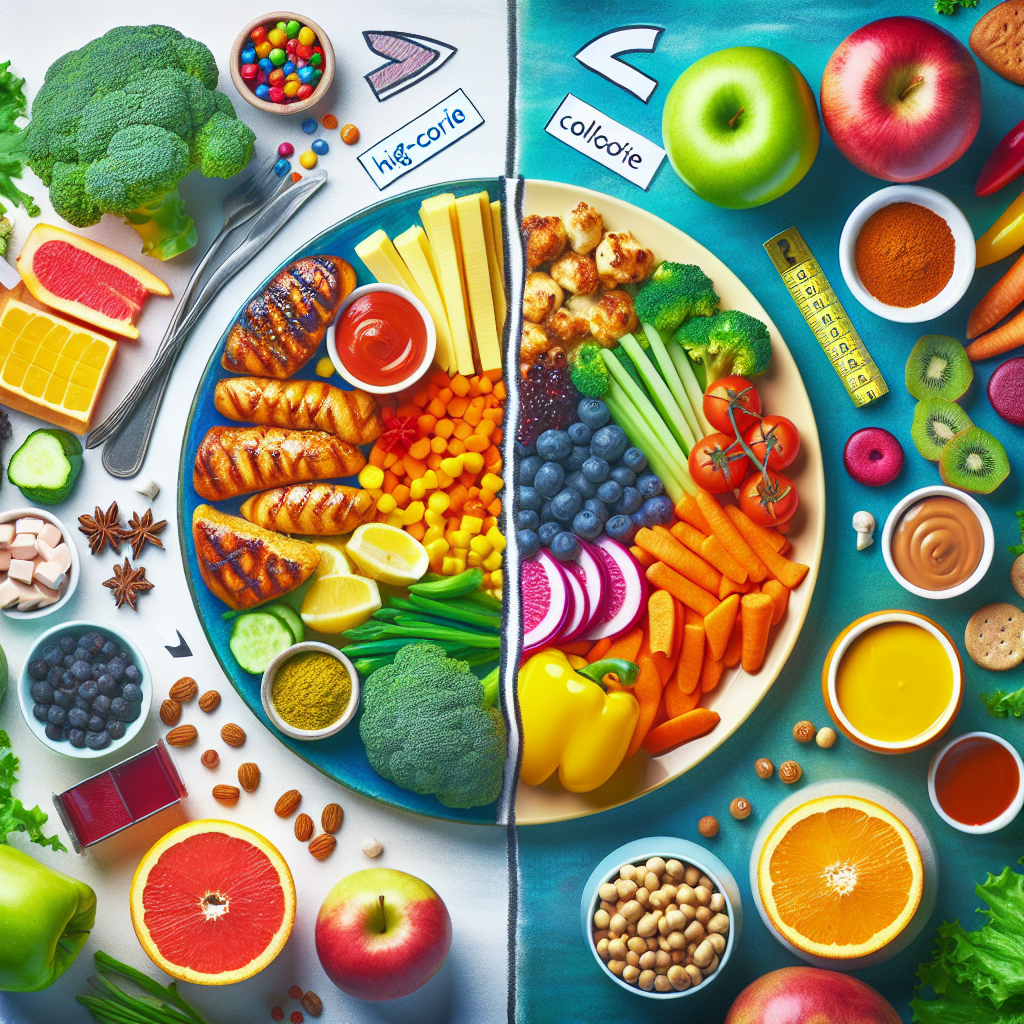
In a world dominated by dieting trends and calorie counting, new research challenges conventional wisdom with a bold claim: one can eat more and still consume fewer calories by simply choosing unprocessed whole foods. A groundbreaking study from the University of Bristol emphasizes the benefit of consuming natural fruits and vegetables over ultra-processed foods (UPFs), opening new avenues for those seeking a healthier lifestyle without restrictive dieting.
The Study’s Findings
The study, which reanalyzed data from a clinical trial, involved 20 participants who were allowed to eat as much as they desired from two diets: one based on unprocessed foods and another on UPFs. Astoundingly, those consuming whole foods ate over 50% more but took in an average of 330 fewer calories daily. This remarkable phenomenon highlights our innate ability to make healthier choices when presented with natural options.
Psychologist Jeff Brunstrom, an author of the study, noted, “When offered unprocessed options, individuals intuitively select foods that balance enjoyment, nutrition, and fullness.” This finding resonates with the biblical principle of stewardship, where taking care of our bodies as vessels can lead to wiser, more fulfilling choices.
Nutritional Intelligence: A Gift to Cherish
The study points to a kind of ‘nutritional intelligence’ that many may not realize they possess. Participants demonstrated an instinct for selecting nutrient-rich foods when given the chance. When we cultivate an awareness of our food choices, we not only nourish our bodies but also honor the biblical call to care for ourselves.
This insight parallels the teachings of Jesus, who spoke about the importance of not only what we consume physically but also spiritually. In Matthew 4:4, it is said, “Man shall not live by bread alone, but by every word that proceeds from the mouth of God.” Just as spiritual nourishment is essential, so too is selecting wholesome food that sustains our bodies.
The Risk of Ultra-Processed Foods
The growing prevalence of UPFs has raised concerns about their health implications, including links to obesity and chronic diseases. Dr. Annika Flynn, another study author, cautions that “the beneficial trade-off between calories and micronutrients can be disrupted by these foods, leading to potential calorie overload.” The choice to prioritize whole foods isn’t just a matter of preference but a reflection of mindful living—something that contributes to our well-being on multiple levels.
A Path Forward
As modern society continues to grapple with the complexities of nutrition, the research offers a reassuring message: you don’t have to sacrifice satisfaction for health. Embracing whole, natural foods allows for enjoyment while nurturing the body. This is reminiscent of 1 Corinthians 10:31, which says, “So whether you eat or drink or whatever you do, do it all for the glory of God.”
Reflect and Nourish
In conclusion, this research serves as a powerful reminder to reflect on our daily choices—not just in what we eat, but in all aspects of life. By prioritizing whole foods, we not only benefit our physical health but also align our actions with principles that honor our bodies and promote holistic well-being. As you navigate your dietary journey, consider what it means to nourish yourself deeply, both physically and spiritually.
Let this be an encouraging call to embrace a lifestyle that celebrates health in its fullest sense, reminding us that our choices can uplift us on our journey toward both physical and spiritual vitality.
If you want to want to know more about this topic, check out BGodInspired.com or check out specific products/content we’ve created to answer the question at BGodInspired Solutions