 0
0
 0
0
Ukrainian Athlete Disqualified from Olympics Over Helmet Controversy
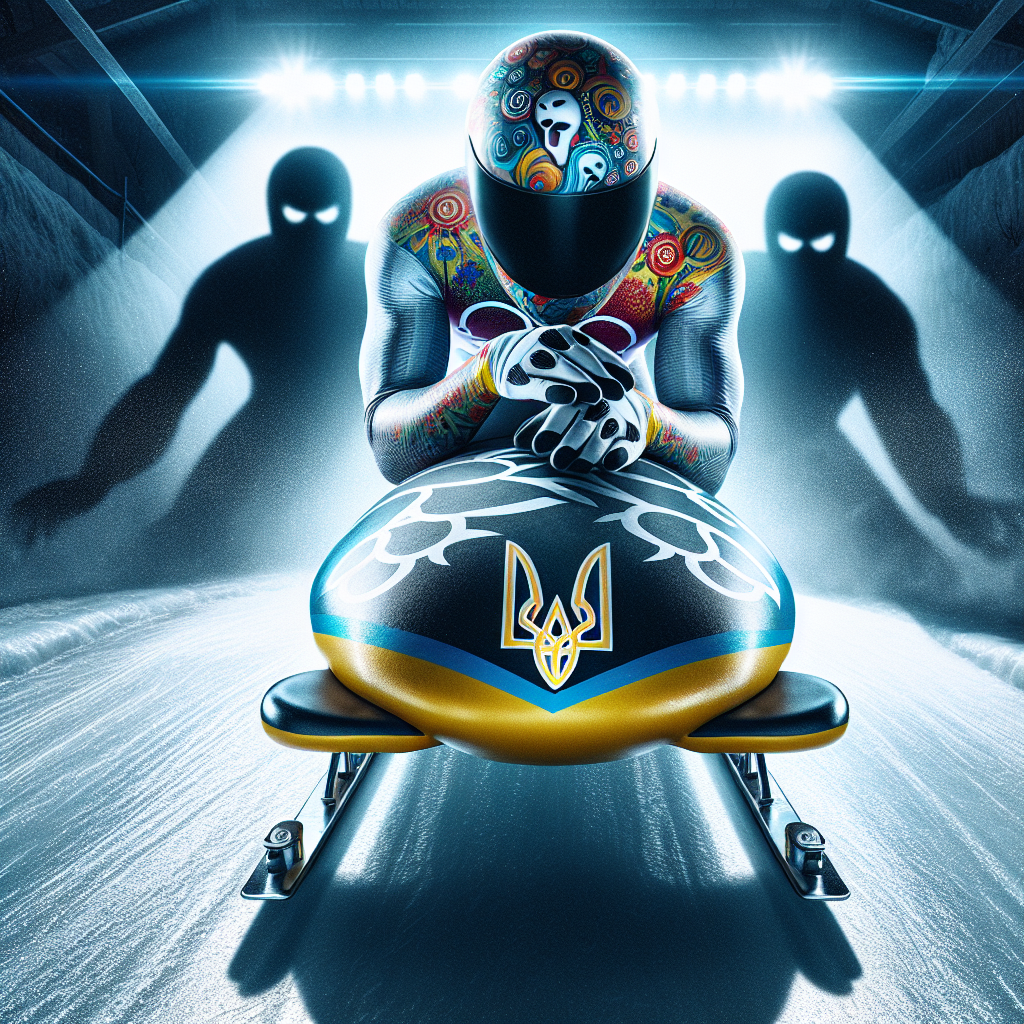
In a striking development at the Winter Olympics, Ukrainian skeleton athlete Vladyslav Heraskevych has been barred from competing due to the images displayed on his helmet, which honor war victims in Ukraine. This disqualification raises important questions about the intersection of sports, politics, and national identity, echoing sentiments that often emerge in discussions of justice and remembrance.
The International Olympic Committee (IOC) determined that the helmet’s imagery contravened their regulations prohibiting political messages in competition contexts. Heraskevych’s design featured poignant tributes to those impacted by the ongoing conflict in Ukraine, a reflection of his patriotism and the realities faced by many back home. His intention was not merely to make a statement but to carry the weight of a nation’s suffering onto the international stage—a noble sentiment that resonates with many athletes’ missions to elevate remembrance and solidarity.
This incident underscores a fundamental principle that has theological parallels: the duty to remember and honor those who have sacrificed for our freedoms. In biblical terms, the importance of memory is emphasized throughout scripture, as seen in Ecclesiastes 3:1, which says, "There is a time for everything, and a season for every activity under the heavens." Just as we live through different seasons of life, so too do we navigate the complexities of our actions and their implications within broader societal issues.
As Heraskevych’s story illustrates, sporting events often become platforms for deeper conversations about identity, loss, and resilience. The boundaries surrounding political expressions in sports provoke debate about where patriotism ends and regulations begin. While the IOC aims to maintain neutrality, can there ever be a complete separation from the personal narratives that athletes carry?
Bridging the Gap: Reflections on Faith and Community
From a biblical perspective, the notion of honoring the past aligns with Jesus’ teachings about community and love. In John 15:13, it states, "Greater love has no one than this: to lay down one’s life for one’s friends." To remember those who have sacrificed for our freedom is not just an act of political expression, but an embodiment of love and empathy—a call to unity in the face of adversity.
As the Olympics continue, one might ask: How do we navigate our own complexities in remembering those we’ve lost while respecting regulations in our worlds? Just as athletes strive for achievement under scrutiny, we are invited to reflect on our roles as individuals within broader communities.
Encouraging Reflection
In light of this controversy, let us take a moment to consider the importance of remembrance and identity within our own lives. How can we honor those who have come before us while promoting unity in the present? The integrity of our actions can inspire meaningful conversations, not only in sports or politics but across all aspects of life.
As we cheer on the athletes competing in the Olympics, may we also carry a spirit of remembrance and hope. Let’s strive to embody love and empathy in our pursuit of justice and understanding, reflecting on the valuable lessons learned from shared struggles, both on and off the field.
If you want to want to know more about this topic, check out BGodInspired.com or check out specific products/content we’ve created to answer the question at BGodInspired Solutions