 0
0
 0
0
UN Chief Urges Transformation of Global Economy to Value the Environment
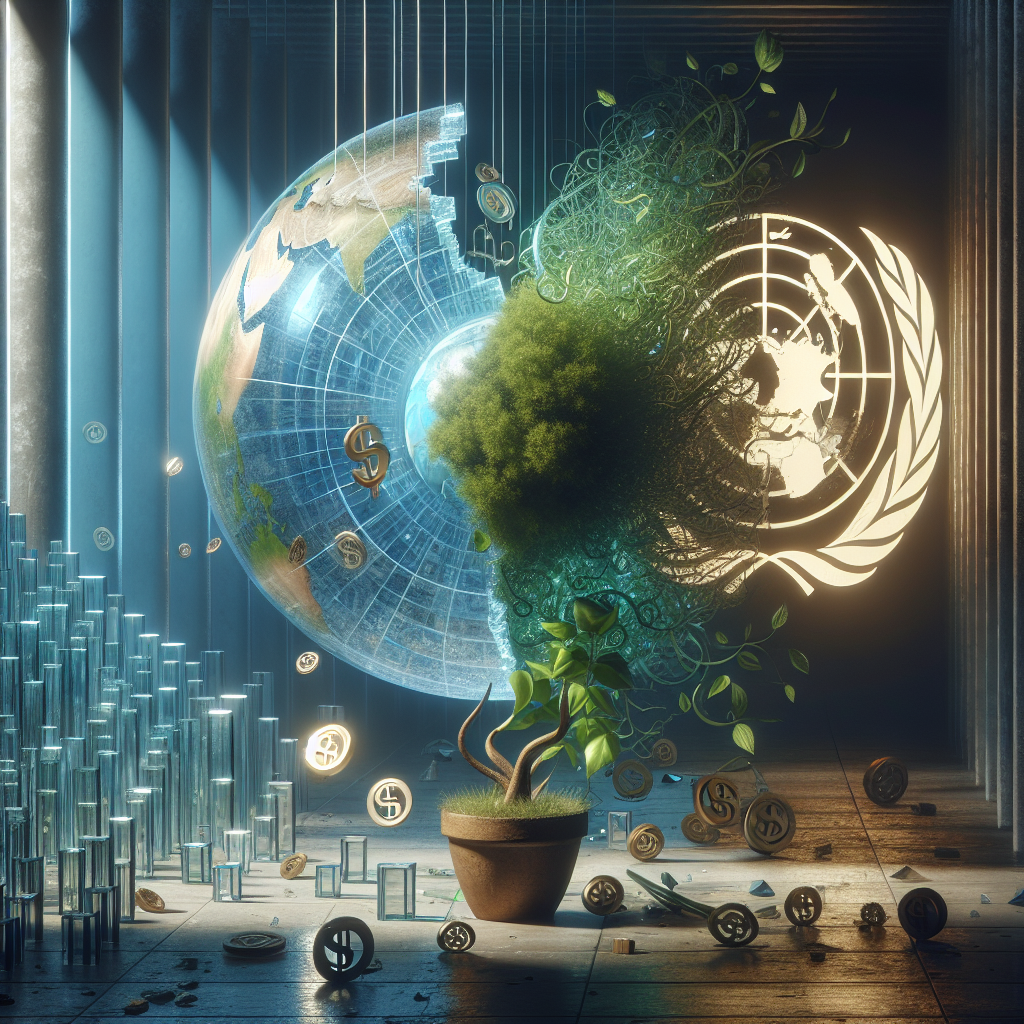
In a striking call to action, UN Secretary General António Guterres has warned that the global economy must undergo a radical transformation to prevent rewarding pollution and waste, emphasizing the urgent need to reevaluate existing economic metrics like Gross Domestic Product (GDP). Speaking to The Guardian, Guterres highlighted that humanity’s future hinges on redefining how we measure human progress and wellbeing.
For decades, GDP has been the benchmark for economic success, yet Guterres pointed out its limitations: “When we destroy a forest or overfish, we are inadvertently increasing GDP rather than genuinely advancing human prosperity.” This raises profound questions about the true cost of economic growth, particularly in a world where finite resources are increasingly strained by environmental degradation.
Critics agree that the relentless pursuit of growth is not only unsustainable but is also exacerbating inequality and contributing to the climate crisis. Guterres argued, “Our world is not a gigantic corporation. Financial decisions should reflect values that matter to people and their communities, beyond just profit and loss.”
In January, a UN conference titled Beyond GDP gathered renowned economists, including Nobel laureate Joseph Stiglitz and equity expert Nora Lustig, to explore new ways of measuring economic success. This group aims to create a framework that truly assesses human wellbeing, sustainability, and equity, addressing increasing concerns about how the current model fails to account for critical societal issues.
Stiglitz supports this initiative, asserting that “nations are so locked into the game of beating other nations based on the GDP metric that the well-being of ordinary citizens is often overlooked.” This sentiment reflects the biblical teaching found in Proverbs 11:1: “The Lord detests dishonest scales, but accurate weights find favor with him.” Here, the metaphor of balanced scales suggests the importance of fairness and integrity in economic dealings, underscoring the need for ethical considerations in our financial systems.
As the UN group advocates for new measures, it becomes clear that moving beyond GDP is just the starting point. The goal is to not only enhance the economic framework but also align it with moral values that prioritize community welfare and environmental stewardship—principles deeply rooted in Christian teachings that emphasize care for creation and concern for the marginalized.
The discussion around transforming economic models is increasingly urgent, particularly in light of recent reports indicating that our current frameworks are failing to adequately predict and respond to climate challenges. As awareness grows among academics and policymakers about the need for a systemic shift, ideas such as degrowth— which advocates for reducing detrimental forms of production in favor of sustainable practices—are gaining traction.
Jason Hickel, a political economist and proponent of degrowth, emphasizes that while moving beyond GDP is essential, transformative change requires deeper systemic adjustments. “We must democratize control over production,” Hickel states, aligning economic priorities with broader social and environmental needs.
In closing, this pivotal moment invites us to reflect on the broader implications of our economic values. Just as Jesus taught of the importance of caring for “the least of these” (Matthew 25:40), our economic actions should similarly reflect compassion and responsibility toward the planet and its inhabitants. The journey to a more equitable and sustainable future starts with each of us, inviting conversations around how we can ground our decisions in values that honor our shared humanity and stewardship of the earth.
As we consider these issues, let’s remember the power of collective action rooted in ethical decision-making. Together, we can contribute to a transformative journey towards an economy that values life, community, and the very creation we inhabit.
If you want to want to know more about this topic, check out BGodInspired.com or check out specific products/content we’ve created to answer the question at BGodInspired Solutions