 0
0
 0
0
Only 1 in 10 Indians Exercise Daily: A Look at Societal Barriers
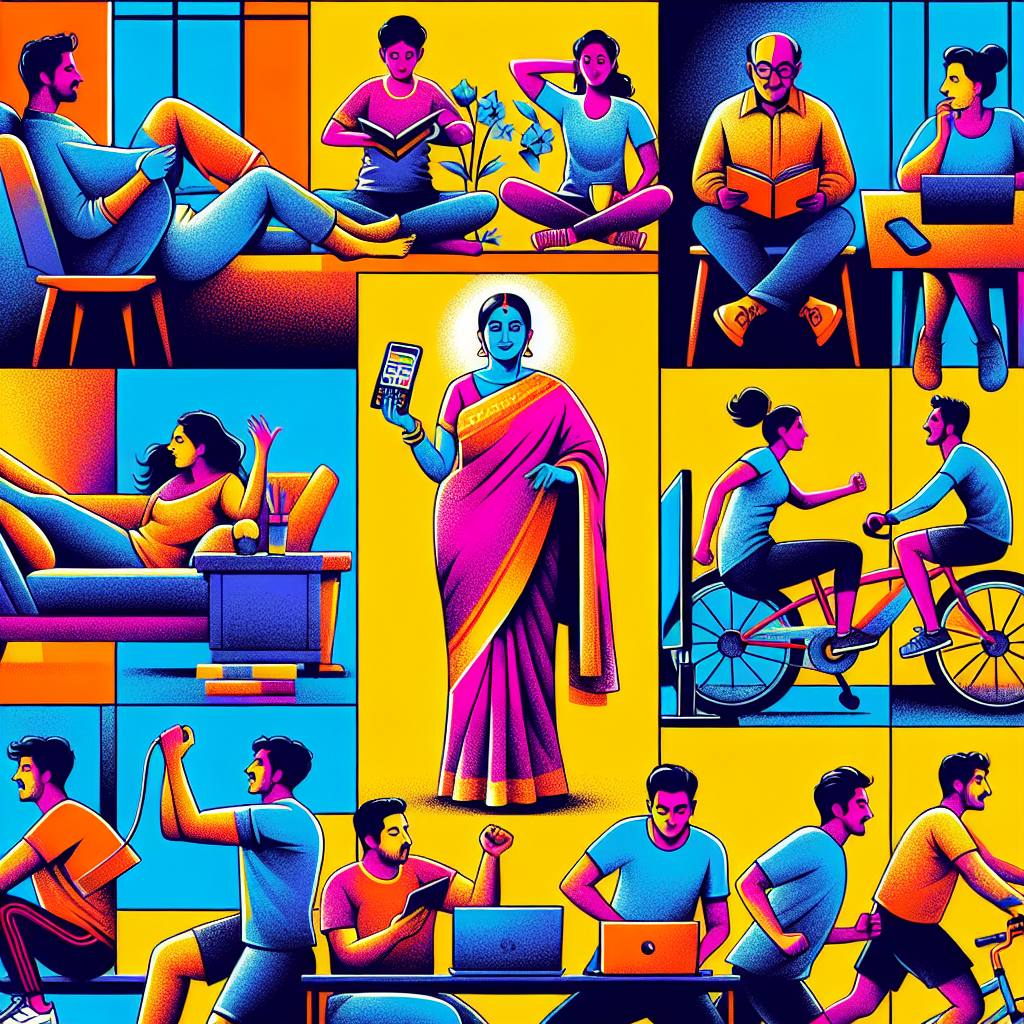
PUNE: Recent findings from the National Statistics Office (NSO) reveal a concerning trend: only 10% of Indians engaged in exercise on a given day in 2024. This statistic, part of their Time Use Survey, marks a modest uptick from 5.7% reported in 2019 but remains alarmingly low compared to 8% in 1998.
The Gender Gap: A Call for Action
The survey highlights a striking disparity in exercise participation, with men being nearly three times more likely to engage in physical activity than women. A mere 4.9% of women reported exercising, compared to 14.5% of men. This phenomenon is particularly pronounced in rural areas, where women’s participation plummets to only 3.1%.
As shared by nutrition and fitness consultant Chaitali Aher, many women grapple with overwhelming domestic responsibilities, leaving them little time or energy for physical activity. "Women often believe household chores count as exercise," Aher notes, highlighting a misconception that can lead to health challenges, including hormonal imbalances.
Urban vs. Rural: A Divided Landscape
Geographically, exercise participation is markedly lower in villages compared to cities, with about 14% of urban residents engaging in physical activity versus 7% in rural regions. This divide underscores the need for better infrastructure and community initiatives to promote health equity.
Even more alarming, the new survey reveals that fewer than 1% of Indians participated in sports on any given day, with over 80% of participants being under 20 years. This reliance on youth to carry the mantle of physical activity further complicates the nation’s health outlook.
The Broader Health Implications
Globally, the World Health Organization (WHO) warns that physical inactivity contributes to numerous health conditions, including cardiovascular disease and obesity. The stakes are high: a 2024 study published in The Lancet Global Health found that around 31.3% of individuals worldwide engage in insufficient physical activity, with women disproportionately affected. As Jesus taught about the importance of taking care of our bodies (1 Corinthians 6:19-20), this data reflects a pressing need for holistic health education that emphasizes physical well-being.
Socioeconomic Factors at Play
Socioeconomic status also plays a critical role in exercise participation; among those from families spending over ₹24,000 per month, about 17% exercised, compared to only 8.4% from lower-income households. These disparities signal a deep-rooted issue that is not solely individual but structural, exacerbating social inequalities.
A Call to Action
The government has acknowledged this health crisis, with Prime Minister Narendra Modi emphasizing the alarming rates of obesity and urging initiatives to promote physical fitness. As we face these challenges, let’s remember the biblical principles of stewardship over our bodies and the call to foster community wellness.
"Whatever you do, do all to the glory of God." — 1 Corinthians 10:31
Encouraging Reflection
As we navigate the complexities of physical activity in our society, consider how you can contribute to a culture that values health and well-being. Reflect on ways to incorporate exercise into daily routines, not just for physical health but as an expression of gratitude for the bodies we’ve been given. In doing so, we can foster not only our own well-being but also uplift those around us, supporting a healthier, more vibrant community.
Let us strive to break down barriers to exercise and wellness, embodying the spirit of compassion and care taught by Jesus, as we work towards a healthier society for all.
If you want to want to know more about this topic, check out BGodInspired.com or check out specific products/content we’ve created to answer the question at BGodInspired Solutions