 0
0
 0
0
Spiritual Devotional about Sacred Music
The Harmonious Symphony of Heaven: Embracing Sacred Music
Greetings, beautiful souls!
Today, let us embark on an inspiring journey into the divine realm of sacred music—a celestial gift that uplifts the spirit and connects us to the heartbeat of Heaven. Sacred music isn’t just melodies and harmonies; it’s a transcendent language that transcends earthly limitations, bringing us closer to the Divine Creator.
The Biblical Foundation
The Bible is rich with references that highlight the importance of music in spiritual experience. King David, the "sweet psalmist of Israel," exemplifies this truth beautifully. In the Book of Psalms, we find a treasure trove of songs that express worship, gratitude, lamentation, and praise. "Let everything that has breath praise the Lord!" (Psalm 150:6, NIV) Our Creator invites us to use music as a conduit for divine communication and spiritual renewal.
The Power of Sacred Music
Have you ever noticed how certain hymns or spiritual songs leave an indelible mark on your heart? That’s no coincidence! Music has the power to stir our souls and deepen our connection with God. Sacred music, in particular, brings about a sense of peace, joy, and unity that can often feel elusive in our everyday lives.
A Melody of Inspiration
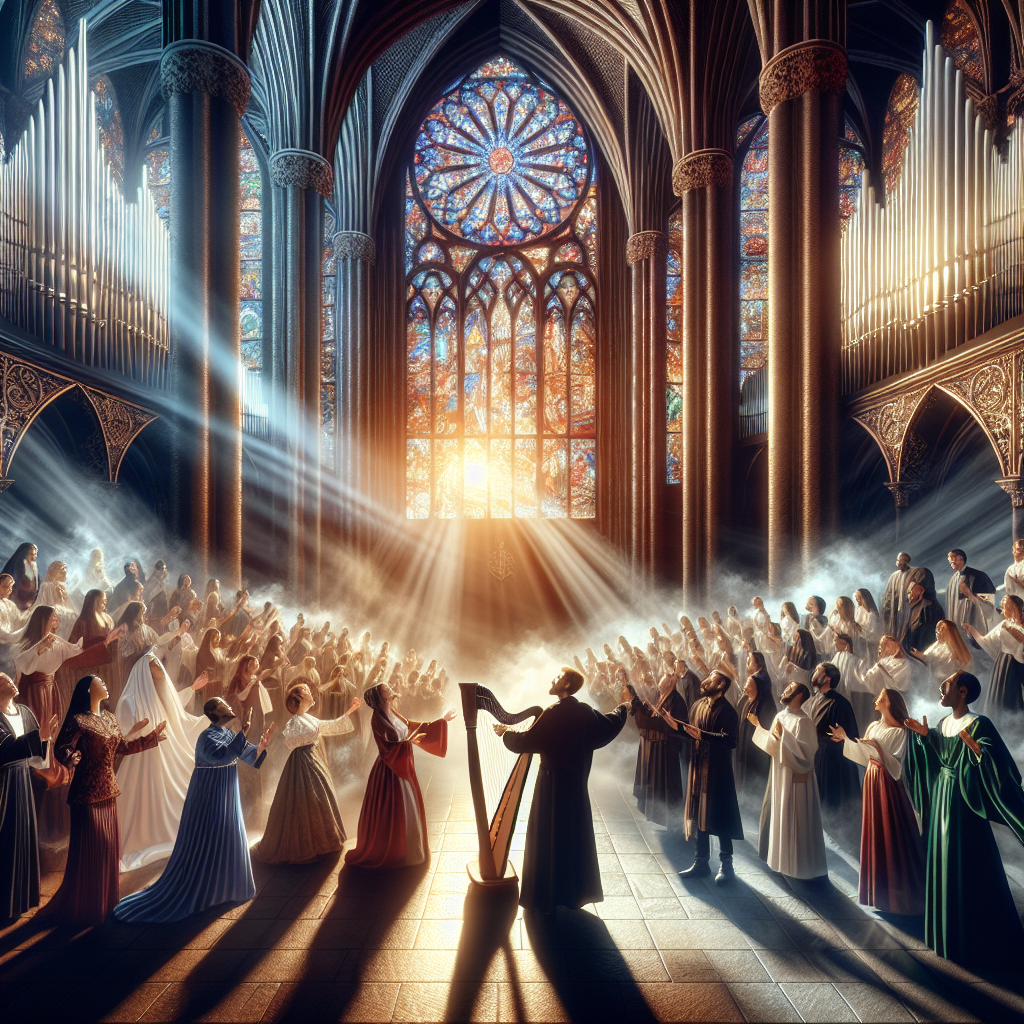
Consider the impact of sacred music in our gatherings, whether in church, during prayer, or at spiritual retreats. It draws us together, creating a shared experience of worship and reverence. Singing together, we echo the harmony of Heaven, where choirs of angels sing eternal praises. When you lift your voice, know that you participate in a divine chorus, resonating through time and space.
Embracing Sacred Music in Our Lives
Incorporating sacred music into your daily routine can be as simple as listening to a beloved hymn during quiet moments or joining a choir at your local church. Let these holy notes guide your heart in meditation and reflection, turning your thoughts towards the goodness and faithfulness of God.
Perhaps there’s a new harmony waiting to be discovered in your own life? Now might be the time to take up an instrument or lend your voice in praise—a personal offering to the One who gave you the gift of music.
A Song of Encouragement
As we immerse ourselves in the sounds of sacred music, let us remember that each note and lyric carries the divine promise of hope and renewal. Our spirits are lifted as we embrace the God who delights in our praise. May your heart be ever attuned to the heavenly symphony that sings of love, grace, and redemption.
Take this sacred symphony with you, dear friends. Let it minister to you, encourage you, and remind you of your place within the marvelous divine orchestra. Go forth with a song in your heart—a testament to the joy of the Lord!
Blessings and harmonies,
[Your Name]
If you want to want to know more about this topic, check out BGodInspired.com or check out specific products/content we’ve created to answer the question at BGodInspired Solutions
Q&A about Sacred Music
Q: What is sacred music?
A: Sacred music is a genre of music composed for religious or spiritual purposes. It is often performed as part of worship services, rituals, and ceremonies in various religious traditions.
Q: What are some common forms of sacred music?
A: Common forms of sacred music include hymns, psalms, chants, spirituals, masses, motets, and oratorios. Each form serves different functions and has unique characteristics.
Q: Can you give examples of sacred music traditions from different religions?
A: Sure! In Christianity, Gregorian chant and polyphonic masses are well-known. Hindu sacred music includes bhajans and kirtans. In Islam, the recitation of the Quran and the call to prayer (adhan) are key musical forms. Jewish liturgical music often includes cantorial singing and psalms.
Q: What is Gregorian chant?
A: Gregorian chant is a style of plainchant that was developed in the medieval Christian church. It features monophonic, unaccompanied vocal music, often sung in Latin.
Q: How does sacred music differ from secular music?
A: Sacred music is intended for religious or spiritual contexts, often conveying themes of worship, devotion, or morality. Secular music, on the other hand, is created for entertainment or non-religious purposes and encompasses a wide range of themes and styles.
Q: What role does sacred music play in religious ceremonies?
A: Sacred music enhances the spiritual atmosphere of religious ceremonies, fostering a sense of community, reverence, and reflection. It often accompanies prayers, readings, and rituals, helping to convey the message and emotion of the service.
Q: Can sacred music be performed outside of a religious context?
A: Yes, while sacred music originates from religious contexts, it is often performed in concerts, recordings, and other non-religious settings. Many people appreciate its artistic and historical value regardless of their religious beliefs.
Q: How has sacred music evolved over time?
A: Sacred music has evolved alongside cultural, technological, and theological changes. It has incorporated new musical styles, instruments, and languages, reflecting the diverse traditions and innovations of different eras and communities.