 0
0
 0
0
Ventura’s Rise: A Testament to Political Evolution in Portugal
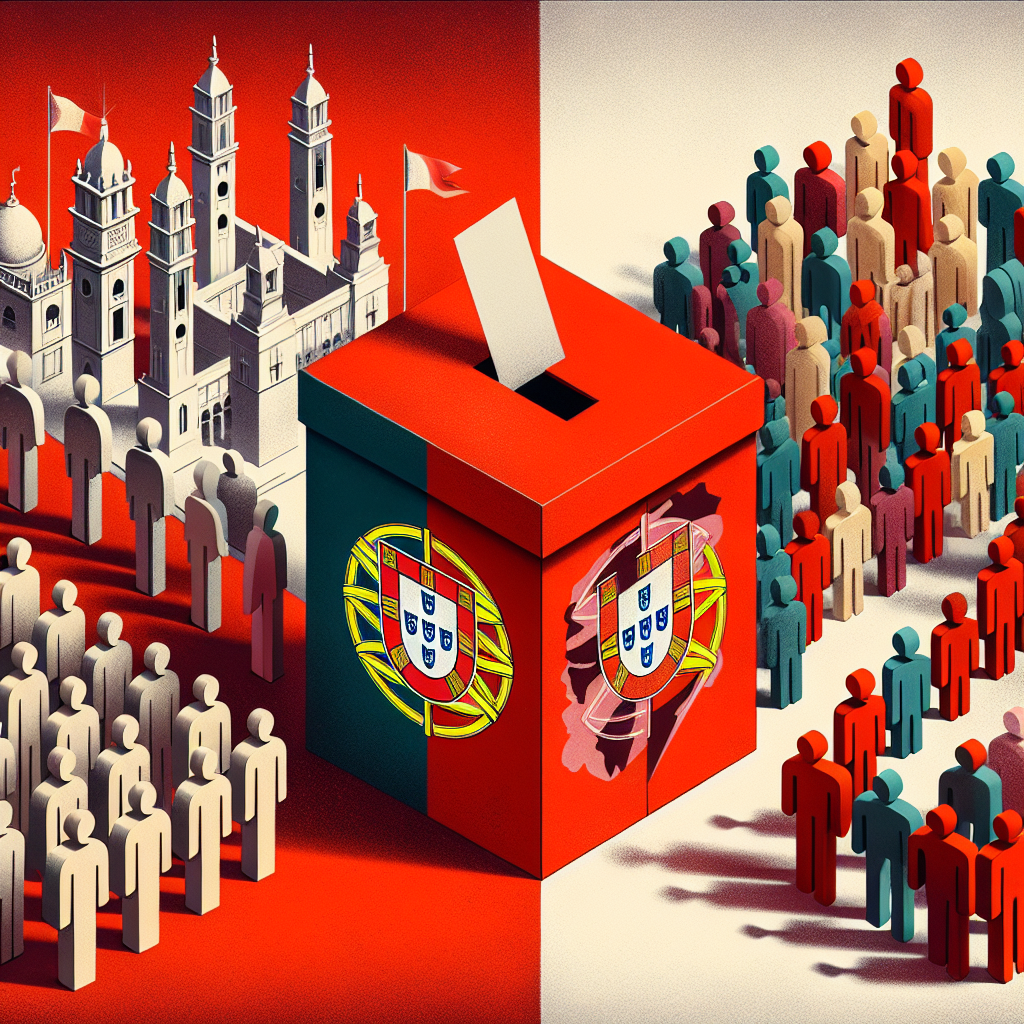
In a striking demonstration of political progress, Chega party leader André Ventura has secured nearly 25% of the ballots in Portugal’s recent presidential election, underscoring the remarkable ascent of his ultranationalist party to become the leading opposition party in the nation. In just six years, Chega has transitioned from a single legislator to controlling over a quarter of the seats in the country’s parliament, indicating a significant shift in the political landscape.
In a parallel narrative, Cotrim de Figueiredo, head of the Liberal Initiative, faced a tumultuous week amid allegations of misconduct. Despite these charges, which he dismissed as “dirty campaign” tactics, he managed to maintain voter support, emphasizing the resilience of political figures in challenging times.
As Portugal prepares for a potential runoff, the nation’s semi-presidential system empowers the president with significant authority, including the appointment of the prime minister and the power to dissolve parliament. Marcelo Rebelo de Sousa, who has held the presidency for a decade, has crafted a legacy of engagement with the public, known for his relatable demeanor and extensive political insight.
The recent election was marked by voter participation that defied the expectations of fatigue, which had previously plagued elections. With approximately 40% of registered voters casting their ballots, this turnout represents a low abstention rate, reflecting a renewed interest in the democratic process.
The rising interest in these elections is reminiscent of the biblical call to stewardship and resolution. In Matthew 5:14, Jesus teaches, “You are the light of the world. A city set on a hill cannot be hidden.” This verse symbolizes the importance of visibility and engagement within one’s community—principles that resonate strongly in today’s political climate. Just as a city on a hill shines brightly, so too must citizens actively participate in shaping the future of their communities.
As we reflect on the evolving political narrative in Portugal, it’s a reminder for each of us to consider our role in advocating for justice and compassion within our spheres of influence. Our collective engagement can illuminate paths of hope and transformation, honoring the biblical call to love and service.
May we each ponder how we can be that light in our own communities, inspiring positive change and fostering a spirit of unity that transcends the divisions of politics.
If you want to want to know more about this topic, check out BGodInspired.com or check out specific products/content we’ve created to answer the question at BGodInspired Solutions