 0
0
 0
0
Study Finds Aggressive Use of Antibiotics Linked to Mood Disorders and Anxiety
Medical Xpress
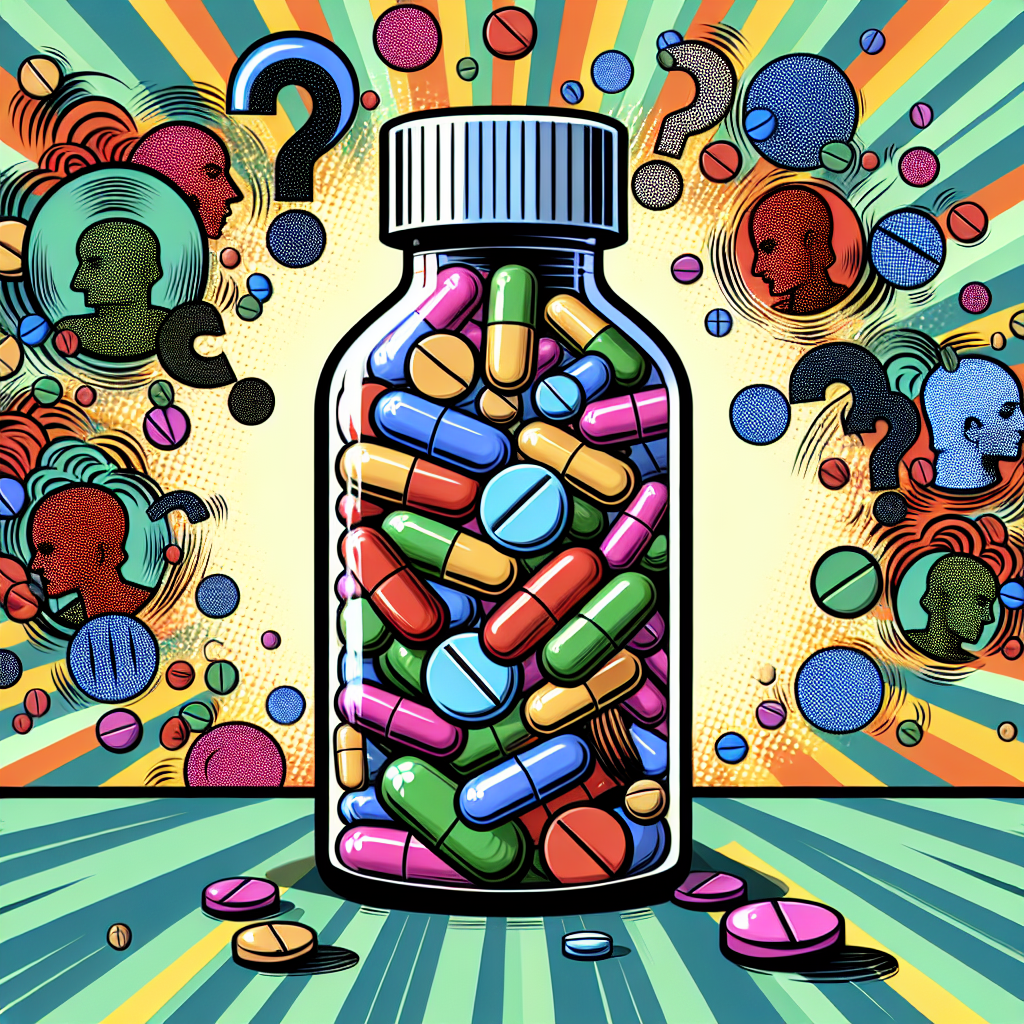
Recent research has unveiled a concerning connection between the extensive use of antibiotics and the rise of mood disorders and anxiety. This revelation adds a new layer to our understanding of how these commonly prescribed medications may impact mental well-being, prompting both scientists and healthcare professionals to reevaluate their use.
The study highlights that antibiotics, while essential in combatting bacterial infections, can disrupt the natural balance of gut microbiota—an ecosystem that significantly influences mood and emotional health. Disruptions to this balance may lead to increased anxiety, depression, and other mental health conditions. This finding raises an urgent question: Could our methods of treating physical illness inadvertently be affecting our mental health?
As we navigate this complex landscape, it’s crucial to consider how our lifestyles align with the principles of stewardship and care emphasized in the teachings of Jesus. Just as He called us to care for our bodies and minds, it’s essential to reflect on the choices we make regarding our health.
Transitioning to a more holistic approach can align our medical practices with these values. By focusing on preventative care and natural remedies when possible, we may enhance our overall well-being. This aligns with the biblical principle of treating our bodies as temples, as outlined in 1 Corinthians 6:19-20 (NIV): “Do you not know that your bodies are temples of the Holy Spirit, who is in you, whom you have received from God? You are not your own; you were bought at a price. Therefore honor God with your bodies.”
In light of this study, we are prompted to examine the decisions surrounding our health choices more closely. Are we merely treating symptoms, or are we also considering the root causes of our ailments?
While the rise of mood disorders and anxiety presents a pressing challenge, it also invites us to reflect on our reliance on medical interventions. As we consider the findings of this research, let us engage in mindful discussions about our health, promoting practices that reflect our understanding of well-being in body, mind, and spirit.
As we seek to embody these principles, let us remain hopeful. Even as we confront the complexities of modern medicine, we can find encouragement in the wisdom contained in Scripture. In all things, we are reminded to seek balance and healing, trusting that our commitment to nurturing both our physical and mental health will ultimately guide us toward peace.
In closing, let us take a moment to reflect on how we can better honor our bodies and minds, looking to both science and faith as our guides in this journey. Through thoughtful consideration and intentional choices, we can foster a lifestyle that not only heals but also flourishes.
If you want to want to know more about this topic, check out BGodInspired.com or check out specific products/content we’ve created to answer the question at BGodInspired Solutions