 0
0
 0
0
Kākāpō Breeding Season Sparks Hope for Conservation Efforts
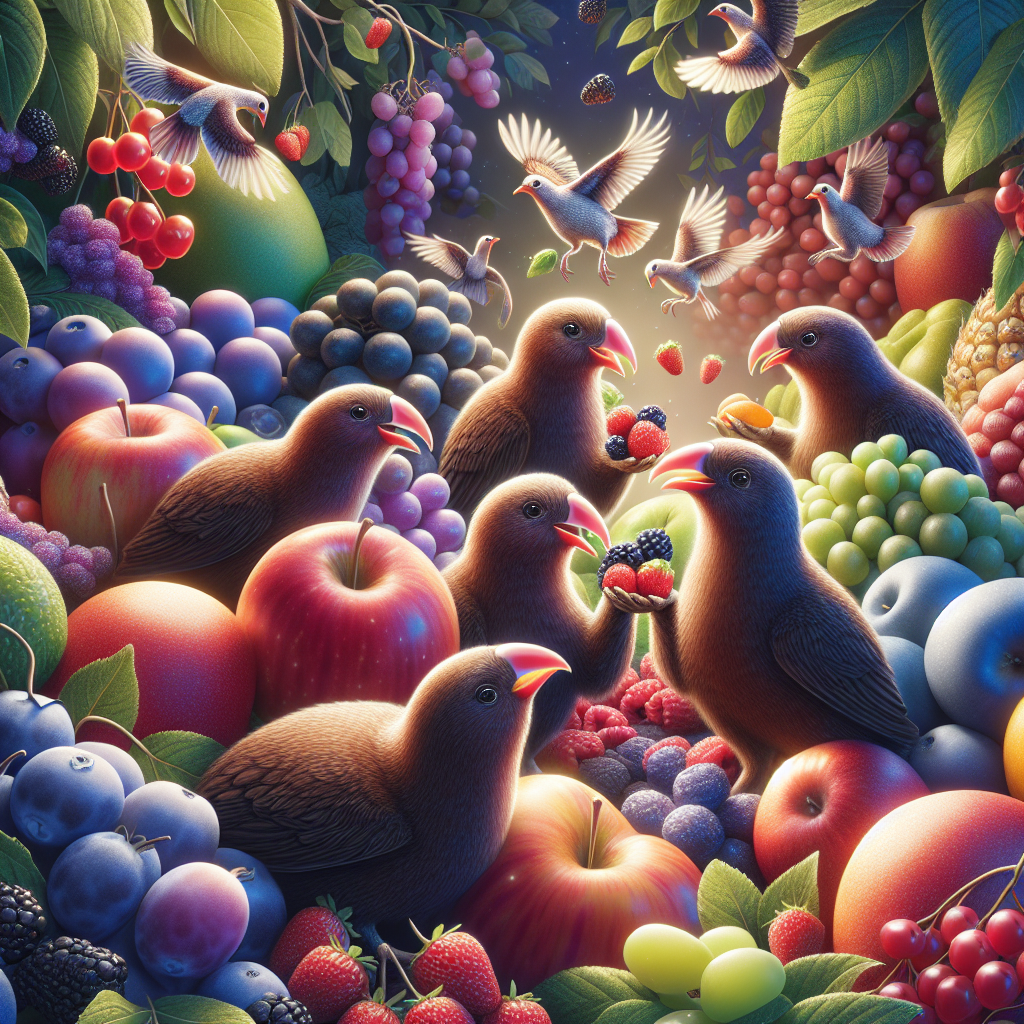
After four long years, the world’s heaviest parrots, the kākāpō, are set to embark on their much-anticipated breeding season in New Zealand. The recent mass fruiting of the native rimu tree has triggered this rare event, and conservationists are hopeful that it will lead to a record number of chicks for this critically endangered species.
Once abundant in New Zealand, kākāpō saw their population plummet due to introduced predators like cats and stoats, nearly facing extinction by the 1900s. Thanks to a dedicated recovery programme initiated in 1995, their numbers have increased from a mere 51 to 236, including 83 females of breeding age. Kākāpō breed only every two to four years when rimu trees “mast,” producing an abundance of berries essential for chick-rearing.
This year, signs indicate a significant “mega-mast,” promising a bountiful harvest of rimu berries crucial for nurturing the hatchlings. Deidre Vercoe, the Department of Conservation’s operations manager for kākāpō recovery, described this moment as crucial and filled with optimism. "We’re hoping that they will all get into the action this summer," she stated.
God has a way of providing for the needs of His creations, much like the timing of the rimu berries, which guide the kākāpō to breed at optimal conditions. This principle resonates with the biblical verse: "And why do you worry about clothes? See how the flowers of the field grow. They do not labor or spin. Yet I tell you that not even Solomon in all his splendor was dressed like one of these" (Matthew 6:28-29). Just as nature provides, so too are we reminded to trust in God’s provision.
Kākāpō are fascinating creatures, exhibiting nocturnal behavior, impressive climbing skills, and unique mating rituals. Males gather in leks, emitting deep booming sounds that can travel up to 5 kilometers—a vivid display of nature’s wonders. After mating, females are solely responsible for their eggs and chicks for roughly six months, a responsibility that emphasizes the significance of care and nurturing, values echoed throughout the teachings of Jesus.
While the conservation efforts yield a promising future, challenges remain. The growing kākāpō population raises concerns about habitat availability, as predator-free zones become increasingly scarce. Vercoe acknowledged the dilemma, stating, “It’s an exciting turning point for the programme – how do we keep growing the population, but how do we take steps back and where do we put them?”
This conservation story serves as a reminder of our stewardship responsibilities towards creation. In caring for the environment and its inhabitants, we embody principles of compassion and responsibility, reflecting how Jesus taught us to love and care for one another.
As we reflect on the plight and resilience of the kākāpō, let us be encouraged to foster a spirit of care for all living things. Just as these remarkable parrots depend on their environment, we too are called to nurture and protect the beauty and life around us. In doing so, we find a deeper understanding of the interconnectedness of all God’s creations.
If you want to want to know more about this topic, check out BGodInspired.com or check out specific products/content we’ve created to answer the question at BGodInspired Solutions